How to Prepare for a First Microneedling Appointment

Editorial Team - MSN, FNP-C
Last Updated: November 6, 2026
Quick Summary
Preparing for your first microneedling appointment means keeping skin calm, clean and healthy, and telling your provider about your full medical history and medications. Stop retinoids and exfoliating acids 1-2 weeks before, avoid waxing and sun exposure, and skip heavy creams the day of treatment.
- Share every prescription, supplement and skincare product with your provider 2-4 weeks before treatment.
- Pause retinoids and exfoliating acids 1-2 weeks before your appointment, as instructed.
- Stop waxing, depilatories and electrolysis on the treatment area 7-10 days before.
- Avoid sun, tanning beds and saunas, and skip new active products in the 24-48 hours before.
Table of Contents
- Why Preparation Matters Before Your First Microneedling Visit
- A Timeline for the Weeks Before Your Appointment
- What to Avoid Before Microneedling: Skincare, Sun and Hair Removal
- Can I Exercise Before Microneedling and How Long to Wait
- Medications, Health History and When to Postpone Treatment
- What to Expect During Your First Microneedling Session
- Booking Your First Consultation in Columbus, GA
- Frequently Asked Questions
Why Preparation Matters Before Your First Microneedling Visit
Preparing well for your first microneedling appointment in Columbus, GA can make the treatment safer and the results better. Microneedling creates tiny channels in the skin, so your skin needs to be calm, clean and healthy going in. (Source: the American Academy of Dermatology)
Preparation also gives your provider the information needed to plan a safe session. Many people do not realize that their skincare routine, recent sun exposure or current medications can change how the skin responds.
- Your skin barrier should be healthy and not irritated
- Your provider needs a full medical and medication history
- Certain active ingredients should be paused in advance
- Good prep can lower the risk of irritation and infection
Watch out: Showing up with active breakouts, a sunburn or a fresh cold sore can force a postponement. Tell your provider about any of these before the day of treatment.
A Timeline for the Weeks Before Your Appointment
The exact preparation schedule depends on your skin type, your current routine and your provider's protocol. Treat the timeline below as a general guide, then confirm every stop date with your treating clinician, because clinic-specific instructions always override general advice.
| When | What to Do | Why It Matters |
|---|---|---|
| 2-4 weeks before | Review every skincare product, prescription and supplement with your provider | Gives the provider time to adjust your routine and flag anything that affects bleeding or healing |
| 1-2 weeks before | Pause retinoids and exfoliating acids as instructed | Retinoids thin the stratum corneum and can increase sensitivity and redness during and after treatment ( the American Academy of Dermatology) |
| 7-10 days before | Stop waxing, depilatories and electrolysis on the treatment area | These can leave micro-trauma and inflammation that make needling less comfortable and less predictable |
| 1 week before | Avoid sun exposure, tanning beds and self-tanners on the treatment area | Tanned or sunburned skin is more reactive and more prone to post-treatment pigment changes |
| 3-5 days before | Avoid saunas, steam rooms and very hot showers | Heat increases blood flow and skin sensitivity, which can make numbing less effective |
| 24-48 hours before | Keep skin clean and hydrated; do not start any new active products | New products can trigger irritation that is hard to distinguish from treatment response |
| Day of appointment | Arrive with clean, makeup-free skin; skip heavy creams and fragrances | Residue can interfere with cleansing, numbing and needle contact |
Watch out: If your provider gives you a different stop window than the one above, follow your provider. Preparation windows vary by device, needle depth and your skin's history, and a clinic's protocol is built around its own treatment plan.
What to Avoid Before Microneedling: Skincare, Sun and Hair Removal
Avoiding a few common triggers protects your skin before treatment. Many of these steps are simple, but they matter.
Skincare to pause:
- Retinoids, including prescription and over-the-counter forms
- Exfoliating acids such as glycolic and salicylic acid
- Harsh scrubs or new active serums
Sun and heat:
- Limit direct sun exposure and use a broad-spectrum sunscreen, such as SPF 30 or higher, every day
- Skip tanning beds and self-tanners on the treatment area
- Avoid saunas and very hot showers for a short period before treatment
Hair removal:
- Ask your provider before waxing or using depilatories on the treatment area
- Schedule laser hair removal separately so the skin has time to settle
Ask your provider for the exact number of days to stop each product. The right timing depends on what you use.
Can I Exercise Before Microneedling and How Long to Wait
Light exercise is usually fine before your appointment, but intense workouts can increase sweating and irritation. Many providers recommend avoiding strenuous exercise for 24 to 48 hours before treatment. Heavy sweating can make skin more sensitive and may make the numbing cream less effective.
Plan your gym sessions with your appointment in mind. If you train hard, schedule your workout earlier in the week so your skin has time to calm down.
Medications, Health History and When to Postpone Treatment
Your medical history is the core of your safety screening, and it is the part of preparation that should never be reduced to a generic checklist. Tell your provider about every prescription medication, over-the-counter drug and supplement you take, including blood thinners, anti-inflammatories, acne medications, hormone therapies and herbal products. Some affect bleeding, some affect healing, and some make skin more sensitive to needling. To understand the general risks and side effects of procedural treatments, read lip filler risks and side effects.
A responsible provider does not apply blanket rules. Instead, they assess your specific situation and decide whether to proceed, adjust the plan or postpone. The table below explains why each common issue matters, so you can arrive at your consultation with useful information rather than a vague sense that something might be wrong.
| Issue | Why It Matters | What Your Provider May Do |
|---|---|---|
| Active skin infection, rash or open wound | Needling over broken or infected skin can spread bacteria and worsen inflammation | Postpone until the area is clear, or treat a different area |
| History of cold sores in the treatment area | Needling can trigger a reactivation of the virus | Recommend antiviral prevention or postpone |
| Sunburn or recent tanning | Compromised barrier and higher risk of pigment changes | Postpone until skin has settled |
| Inflammatory skin conditions such as active eczema or rosacea | Needling can aggravate a flare | Stabilize the condition first, then reassess |
| Recent cosmetic procedures or laser treatments | Overlapping trauma can delay healing | Wait for the provider's recommended interval |
| Pregnancy or breastfeeding | Safety data are limited, and hormonal changes affect skin sensitivity | Review in detail and often postpone |
| History of poor healing or keloids | Needling may carry a higher risk of scarring | Assess individually and may decline treatment |
| Blood thinners or bleeding disorders | Increased risk of bruising and prolonged bleeding | Adjust the plan or obtain medical clearance |
A good provider will ask about your history, look at your skin and explain their reasoning, not just hand you a list of rules. If you are unsure whether something applies to you, say so at the consultation rather than deciding on your own.
Watch out: Do not stop a prescription medication on your own before treatment. Changes to blood thinners, hormone therapies or acne medications should be made only with the prescribing clinician, and your microneedling provider can coordinate with them if needed.
What to Expect During Your First Microneedling Session
Your first visit usually starts with a consultation. Your provider will review your skin, your goals and your health history.
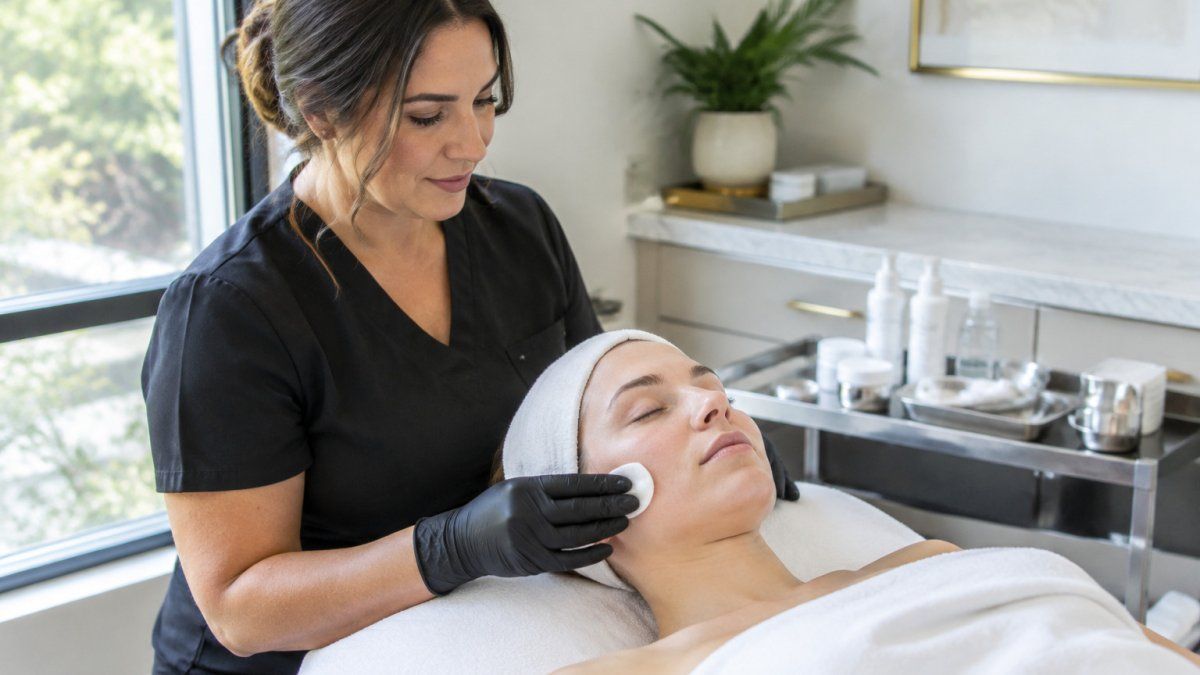
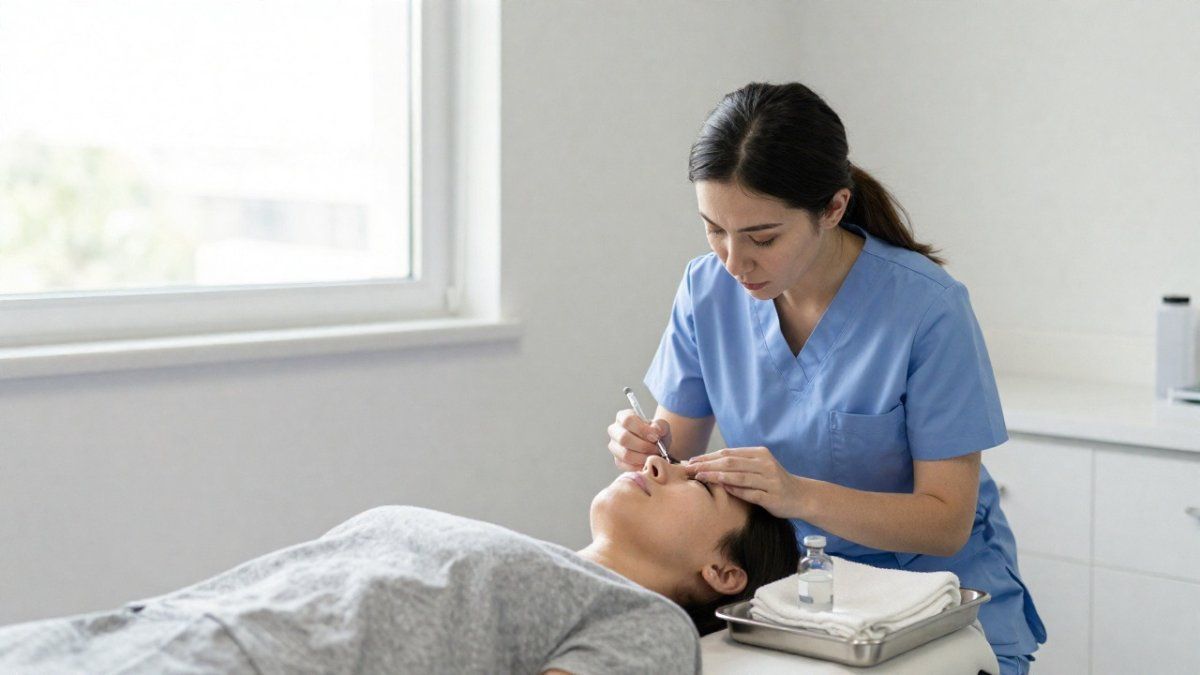
During the treatment, a numbing cream is often applied first. The provider then uses a fine-needle device across the treatment area. Most people describe the sensation as a scratching or prickling feeling, and the numbing cream helps keep it comfortable.
Afterward, some redness and swelling is possible. Your provider will give you personalized aftercare instructions. To see how a similar in-office recovery unfolds day by day, read the lip filler recovery timeline.
Booking Your First Consultation in Columbus, GA
The best next step is a consultation. At Selah Aesthetics and Wellness, every patient starts with Selah Face Value, a head-to-toe consult that includes AURA facial analysis and a layer-by-layer look at bone, fat, muscle and skin. A consultation is the place to discuss whether microneedling is right for you and what timing makes sense.
If you are in the Columbus, GA area, book a consultation to talk through your skin and plan your first appointment. Book a Consultation
Frequently Asked Questions
What should you not do before microneedling?
Most providers ask you to stop retinoids and exfoliating acids for several days before treatment, since these can make skin more sensitive. Avoid sunburn and tanning beds, and arrive with clean, makeup-free skin. Discuss any recent cold sores, active breakouts or current medications with your provider, because these can affect whether treatment is appropriate. Your clinician will give you individualized instructions, and those should take priority over general guidance.
Can I exercise before a microneedling appointment?
Many providers recommend avoiding strenuous exercise, heavy sweating, saunas and steam baths for a short period before treatment, because heat and sweat can increase irritation. A light walk is usually fine, but ask your provider how close to your appointment you should exercise. Plan to shower and cleanse your skin before arriving rather than working out just beforehand. Your clinician can confirm the timing that suits your skin.
What should I tell my provider before microneedling?
Share your full medical history, including any skin conditions, past reactions to procedures, and any history of cold sores or keloid scarring. List all medications and supplements you take, especially blood thinners and isotretinoin, which may require timing adjustments. Mention recent sun exposure, pregnancy or breastfeeding, and any active infection or breakouts. Honest disclosure lets your provider decide whether to treat now or postpone.
How should I prepare my skin before microneedling?
Follow your provider's pre-treatment instructions, which typically include stopping retinoids and exfoliating acids for several days and protecting your skin from sun. Use a gentle cleanser and a daily sunscreen rated at SPF 30 or higher. Arrive with clean skin free of makeup and lotions. Keeping your skin calm and hydrated in the days before treatment supports a smoother appointment and recovery.

Lauren Hodge, MSN, FNP-C, is a board-certified Family Nurse Practitioner and aesthetic injector in Columbus, GA, with advanced training in regenerative medicine and aesthetics. She combines her background in pediatrics, pain management, and orthopedics with a passion for natural results, helping patients look and feel their best.
Share This Blog