Lip Filler Risks and Side Effects: What to Expect

Editorial Team - MSN, FNP-C
Last Updated: October 23, 2026
Quick Summary
Lip filler risks and side effects range from temporary swelling and bruising that resolve within days or weeks to rare but serious complications like vascular compromise, infection, and allergic reactions. Most patients experience normal recovery with maximum swelling peaking at 24-48 hours and final results visible by week 2, but choosing an experienced injector who understands facial anatomy significantly reduces serious complication risk.
- Maximum swelling peaks 24-48 hours after injection, with most visible swelling resolved by day 7-10.
- Vascular compromise is a medical emergency requiring immediate hyaluronidase injection to restore blood flow and prevent tissue damage.
- Hyaluronic acid filler is reversible; hyaluronidase can dissolve excess filler if you're unhappy with results.
- Blood thinners, bleeding disorders, and smoking increase bruising, bleeding, and healing complication risk.
- An experienced, board-certified injector with formal training in lip anatomy and vascular safety significantly reduces serious complications.
Table of Contents
- Understanding Lip Filler Risks and Side Effects
- Normal Temporary Effects vs. Complications
- Lip Filler Swelling Stages and Recovery Timeline
- Common Short-Term Side Effects: Bruising, Tenderness, and Numbness
- Lip Filler Lumps, Unevenness, and Cosmetic Irregularities
- Serious Lip Filler Complications: Infection, Bleeding, and Vascular Events
- Lip Filler Aftercare: Reducing Risk and Promoting Healing
- Risk Factors and How to Choose a Safe Injector
- Frequently Asked Questions
Understanding Lip Filler Risks and Side Effects
Lip filler risks and side effects range from temporary swelling to rare but serious vascular events. We'll walk you through exactly what to expect, when to worry, and how to choose an injector who takes your safety seriously. (Source: the U.S. Food and Drug Administration (FDA))
Hyaluronic acid fillers dominate the market because they're reversible, but that doesn't mean they're risk-free. The injection itself creates trauma to tissue. Your body's inflammatory response to that trauma is what causes swelling, bruising, and tenderness. Most side effects resolve within days or weeks. Some don't.
The goal of this guide is to separate normal recovery from actual complications, give you realistic timelines, and show you how to spot red flags before they become emergencies.
Normal Temporary Effects vs. Complications
The first 24 hours after lip filler injection are critical for understanding what's normal and what signals trouble.
What You Should Expect in the First 24 Hours
Swelling, tenderness, and mild bruising are expected. Your lips will feel puffy and tender to touch. You may see visible swelling that peaks around 24-48 hours post-injection.
Numbness and tingling are also normal. The injection deposits filler into tissue layers, and the local anesthetic used during the procedure can numb the area for several hours. Mild itching as sensation returns is common.
You may notice small bumps or irregularities in the first 24 hours. These often resolve as swelling decreases and the filler integrates. Slight asymmetry is common initially and typically corrects as inflammation subsides.
When to Be Concerned
Vascular compromise, when filler blocks blood flow to tissue, creates a medical emergency ( the FDA). Blanching, severe pain, and tissue that looks pale or dusky are warning signs. This can happen immediately or within hours of injection.
Allergic reactions are rare with hyaluronic acid but possible. Severe swelling that worsens over hours, difficulty breathing, throat tightness, or hives across your face or body indicate an allergic response. Call 911 or go to the emergency room.

Lip Filler Swelling Stages and Recovery Timeline
Swelling follows a predictable pattern. Understanding the timeline helps you distinguish normal recovery from a complication.
Day 1-2: Maximum swelling typically peaks 24-48 hours after injection.
Day 3-5: Swelling begins to decline noticeably. Your lips start to feel less tender.
Day 7-10: Most visible swelling has resolved. This is when you can realistically assess the actual result.
Week 2-4: Any remaining swelling resolves. The filler settles into its final position.
Most patients are happy with results by week 2. If you're unhappy at this point, discuss options with your provider.
For detailed information about what to expect during each stage, learn more about the lip filler recovery timeline to prepare yourself mentally and physically for the healing process.
Swelling follows a predictable pattern after lip filler injection, with most patients seeing final results by week 2.
| Timeline | Swelling Status | What to Expect |
|---|---|---|
| Day 1-2 | Maximum swelling | Lips significantly fuller than intended result |
| Day 3-5 | Swelling declines | Shape becomes recognizable, still over-corrected |
| Day 7-10 | Most swelling resolved | Can realistically assess actual result |
| Week 2-4 | Remaining swelling resolves | Filler settles into final position |
Common Short-Term Side Effects: Bruising, Tenderness, and Numbness
Bruising is the most visible side effect for many patients. It's caused by small blood vessels rupturing during the injection process.
Bruising typically appears within 24-48 hours and peaks around day 3-5. It fades gradually over 1-2 weeks, though some faint discoloration can linger longer.
Numbness and tingling are temporary sensations caused by local anesthetic and minor nerve irritation from the injection. These typically resolve within hours to days.
Itching as sensation returns is normal and annoying. Resist the urge to scratch or pick at your lips. Scratching can introduce bacteria and increase infection risk.
Minor discoloration, redness or slight bruising, can linger for 1-2 weeks. Makeup can cover this, though some providers recommend avoiding makeup for 24 hours post-treatment to reduce infection risk.
Lip Filler Lumps, Unevenness, and Cosmetic Irregularities
Lumps and bumps in the first week are often just swelling or filler settling. Most resolve on their own as the filler integrates and swelling decreases.
Uneven results, one lip fuller than the other, asymmetrical shape, or irregular contours, can happen immediately or develop as swelling resolves.
Overfilled appearance is a common concern. If your lips look disproportionate to your face, feel stiff, or look "done," discuss this with your provider. The good news: hyaluronic acid filler is reversible.
Migration, filler moving outside the intended area, is rare with proper injection technique but possible. If filler appears in unexpected places (above the lip line, into the surrounding tissue), contact your provider.
Serious Lip Filler Complications: Infection, Bleeding, and Vascular Events
Most lip filler complications are temporary and minor. A few are serious and demand immediate attention.
Vascular Compromise: The Most Critical Emergency
Vascular compromise occurs when filler blocks blood flow to tissue. This is the most serious complication because tissue can die without oxygen.
This is a medical emergency. Contact your provider immediately or go to an urgent care or emergency room. Do not wait. The longer tissue goes without blood flow, the greater the risk of permanent damage. Treatment involves injecting hyaluronidase to dissolve the filler and restore blood flow.
Vascular compromise is rare but more likely when filler is injected into small blood vessels or when too much filler is placed in a small area. Choosing an experienced injector who understands facial anatomy significantly reduces this risk.
Infection and Inflammatory Responses
Infection is rare because the injection site is relatively clean and hyaluronic acid doesn't promote bacterial growth. However, infection can happen if bacteria enter the injection site. Signs include fever, pus, spreading redness, warmth, or increasing pain beyond the first few days.
If you suspect infection, contact your provider or seek medical care. Infection typically requires antibiotics and sometimes drainage of infected material. Prompt treatment prevents the infection from spreading.
Inflammatory responses, distinct from infection, can occur if your body reacts strongly to the filler material itself. This presents as excessive swelling, redness, or tenderness that persists or worsens beyond the first week. This is uncommon with hyaluronic acid but possible.
Lip Filler Aftercare: Reducing Risk and Promoting Healing
Smart aftercare reduces swelling, bruising, and infection risk. The first 24 hours are most critical.
Immediate post-treatment (first 24 hours):
- Avoid touching or pressing your lips
- Skip strenuous exercise and heat exposure (saunas, hot yoga, intense cardio)
- Don't drink alcohol, it increases bleeding and bruising
- Sleep with your head elevated to reduce swelling
- Apply ice in 10-minute intervals (wrapped in a clean cloth, not directly on skin)
- Avoid hot foods and beverages; stick to cool or room-temperature options
Days 2-7:
- Continue avoiding strenuous activity
- Skip lip products (lipstick, gloss, balm) for at least 24 hours; after that, use clean applicators
- Don't massage or manipulate your lips
- Avoid dental work, facial treatments, and other procedures that could irritate the area
- Stay hydrated, it supports healing
- Use unscented moisturizer if your lips feel dry
Beyond one week:
- You can resume normal activity
- Lip products are fine as long as you apply them with clean tools
- Continue sun protection, UV exposure can accelerate filler breakdown
For specific aftercare guidance tailored to your situation, explore detailed aftercare tips to optimize your healing and reduce complications.
Risk Factors and How to Choose a Safe Injector
Your personal risk factors influence complication likelihood. Certain medical conditions, medications, and habits increase risk.
High-risk factors:
- Blood thinners (aspirin, warfarin, ibuprofen) increase bruising and bleeding risk
- Bleeding disorders or clotting disorders increase bruising and hematoma risk
- Autoimmune conditions may increase inflammation and allergic response risk
- Recent lip surgery or trauma increases infection and healing complication risk
- Smoking delays healing and increases infection risk ( the CDC)
- Excessive alcohol use impairs healing
If you have any of these risk factors, discuss them with your provider before treatment.
Choosing a safe injector is your best risk-reduction strategy. Understanding lip filler costs helps you compare providers and budget for treatment before committing to a specific injector. An experienced, well-trained injector who understands facial anatomy and vascular anatomy significantly reduces serious complications. Here's what to look for:
Look for board certification in aesthetics or a related medical field. Your injector should be a licensed healthcare professional (nurse practitioner, physician assistant, or physician) with formal training in injectable techniques. Certification through organizations like the American Academy of Aesthetic Medicine or similar bodies indicates serious training.
Ask about specific training in lip anatomy and vascular safety. How many lip injections has the provider performed? What's their complication rate?
Request before-and-after photos of actual patients. Do the results look natural and balanced, or overfilled? Do lips look proportionate to the face?
Ask about their emergency protocol. What happens if a complication occurs? Do they have hyaluronidase on hand to reverse filler if needed?
Trust your gut. For guidance on selecting a qualified, trustworthy injector, learn how to choose an honest injector who prioritizes your safety and natural results.
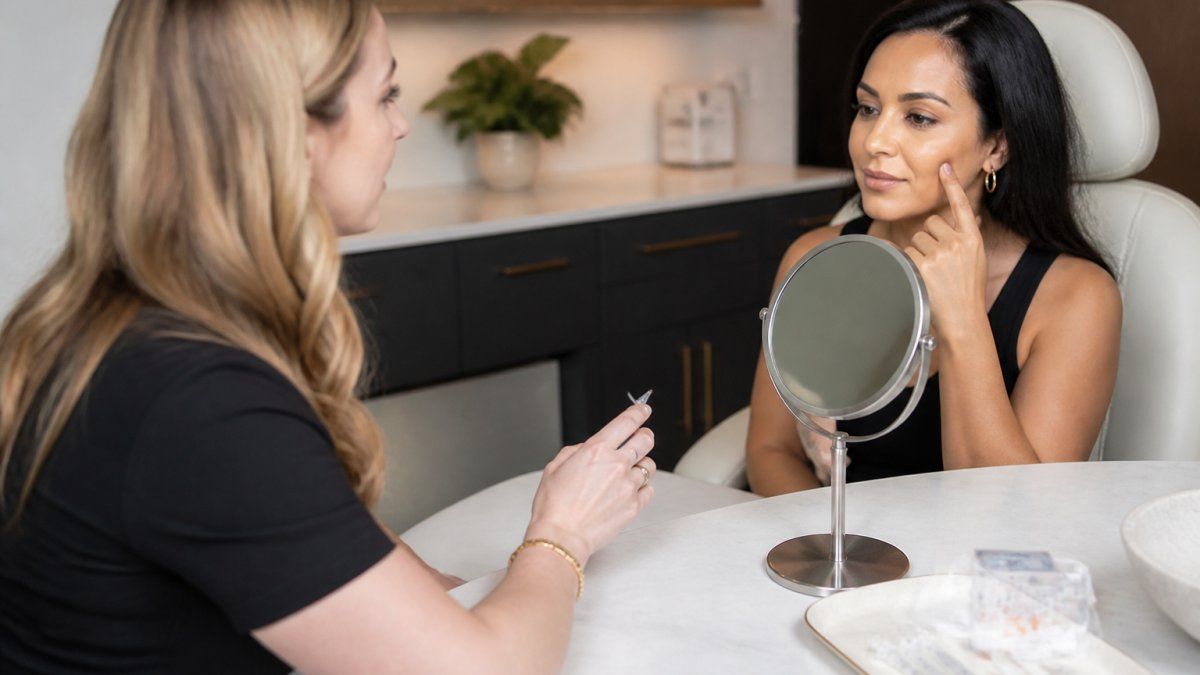
At Selah Aesthetics and Wellness, every patient starts with a detailed consultation, not a sales pitch.
Frequently Asked Questions
What are the most common side effects of lip fillers?
The most common side effects are temporary and resolve within one to two weeks. Swelling peaks around 24-48 hours after injection, bruising and tenderness are normal, and mild numbness or itching at the injection site often occurs. These effects are part of the body's natural healing response to the injection. Serious side effects are rare when treatment is performed by a qualified medical professional using proper injection techniques.
How long does swelling last after lip filler, and what are the swelling stages?
Lip filler swelling stages typically follow this pattern: immediate swelling within minutes of injection, peak swelling at 24-48 hours, gradual reduction over days 3-7, and most swelling resolved by day 10-14. However, minor residual swelling can persist for up to three weeks. The exact timeline varies based on injection volume, technique, individual healing response, and filler material used. Ice application in the first 24 hours and avoiding heat, alcohol, and strenuous exercise can help minimize swelling.
Is it normal to have lumps after lip filler?
Minor lumpiness or unevenness in the first few days is common and often resolves as swelling decreases and filler settles. However, persistent lumps after two weeks may indicate overfilled areas, filler migration, or granulomatous reactions. A qualified injector can assess lumps during a follow-up visit and address them through massage, additional injections for balance, or other corrective measures. This is why choosing an experienced injector trained in facial anatomy and filler placement is critical.
What are warning signs I should seek immediate help for lip filler complications?
Seek immediate medical attention if you experience severe pain that worsens after the first day, signs of infection such as fever or pus, blanching (whitening) of the lips or surrounding skin, severe numbness lasting beyond 24 hours, difficulty breathing or swallowing, or signs of vascular compromise such as dark discoloration, tissue hardening, or cold sensation. These symptoms may indicate serious complications like vascular occlusion or infection that require emergency care. Contact your injector or visit an emergency room if you're unsure.
Lip filler risks are real, but they're manageable with informed decision-making and the right provider. Understanding what's normal recovery versus a red flag, choosing an experienced injector, and following aftercare instructions dramatically reduce your risk of complications. At Selah Aesthetics and Wellness, we combine judgment, experience, and a commitment to honest assessment, not aggressive upselling, to help you achieve results that look expensive because they're done right.

Lauren Hodge, MSN, FNP-C, is a board-certified Family Nurse Practitioner and aesthetic injector in Columbus, GA, with advanced training in regenerative medicine and aesthetics. She combines her background in pediatrics, pain management, and orthopedics with a passion for natural results, helping patients look and feel their best.
Share This Blog