What Are the Real Risks of Injectable Treatments?

Editorial Team - MSN, FNP-C
Last Updated: October 26, 2026
Quick Summary
Most injectable treatment risks are temporary reactions like redness, swelling, bruising, and mild tenderness that fade within a few days. Rare but serious complications include vascular occlusion and infection, so vision changes, spreading pain, or white or dusky skin near the treatment area require calling your injector immediately.
- Bruising is the most frequent complaint, especially around the lips and eyes where vessels sit close to the skin.
- Ask who will perform your injection, which product they will use, and whether it is FDA-approved.
- Choose a qualified injector over a bargain, since the cheapest option often skips the assessment that keeps you safe.
- Avoid strenuous exercise for 24 hours and skip alcohol and blood thinners for a day after treatment.
- Ask to see the product packaging and lot number before injection to confirm it is FDA-approved.
Table of Contents
- What Counts as an Injectable Treatment Risk?
- Questions to Ask Before Botox or Any Injectable
- Why Injector Qualifications and Credentials Change Your Risk
- How to Confirm You're Getting FDA-Approved Injectable Products
- Injectable Treatment Aftercare and Warning Signs to Watch
- How to Lower Your Risk Before Your First Appointment
- Book a Consult That Answers Your Questions First
- Frequently Asked Questions
What Counts as an Injectable Treatment Risk?
Any unwanted outcome from a needle-based cosmetic procedure counts as a risk, from a small bruise to a serious vascular event. Understanding questions about injectable treatment risks starts with sorting those outcomes into two buckets: what is normal and what is dangerous. At Selah Aesthetics and Wellness, we walk every patient through both before a needle ever comes out.
Most side effects are temporary and expected. A smaller group is rare but demands fast action. Knowing the difference protects you.
Common, Expected Reactions
Redness, swelling, bruising, and mild tenderness at the injection site are the standard reactions. They usually fade within a few days. Bruising is the most frequent complaint, especially around the lips and eyes where vessels sit close to the skin.
These reactions are not signs of a bad treatment. They are signs your body is responding. A cold compress and time handle most of them. For a closer look at what is normal versus what needs a call, see our guide to lip filler risks and side effects.
Rare but Serious Complications
A small number of complications are serious. These include vascular occlusion, where filler blocks a blood vessel, and infection at the injection site. Vision changes, spreading pain, or skin turning white or dusky near the treatment area are red flags.
Watch out: a cold, mottled, or painful patch of skin after filler is a medical emergency, not a wait-and-see situation. Call your injector immediately.
Here is how the article separates everyday reactions from the rare complications that need urgent action.
| Outcome | Examples | What to do |
|---|---|---|
| Common, expected reactions | Redness, swelling, bruising, mild tenderness | Cold compress and time; fade within a few days |
| Rare but serious complications | Vascular occlusion, infection at injection site | Call your injector immediately |
| Red flags | Vision changes, spreading pain, white or dusky skin | Treat as a medical emergency, not wait-and-see |
Questions to Ask Before Botox or Any Injectable
Ask these questions before your first appointment, and expect clear answers:
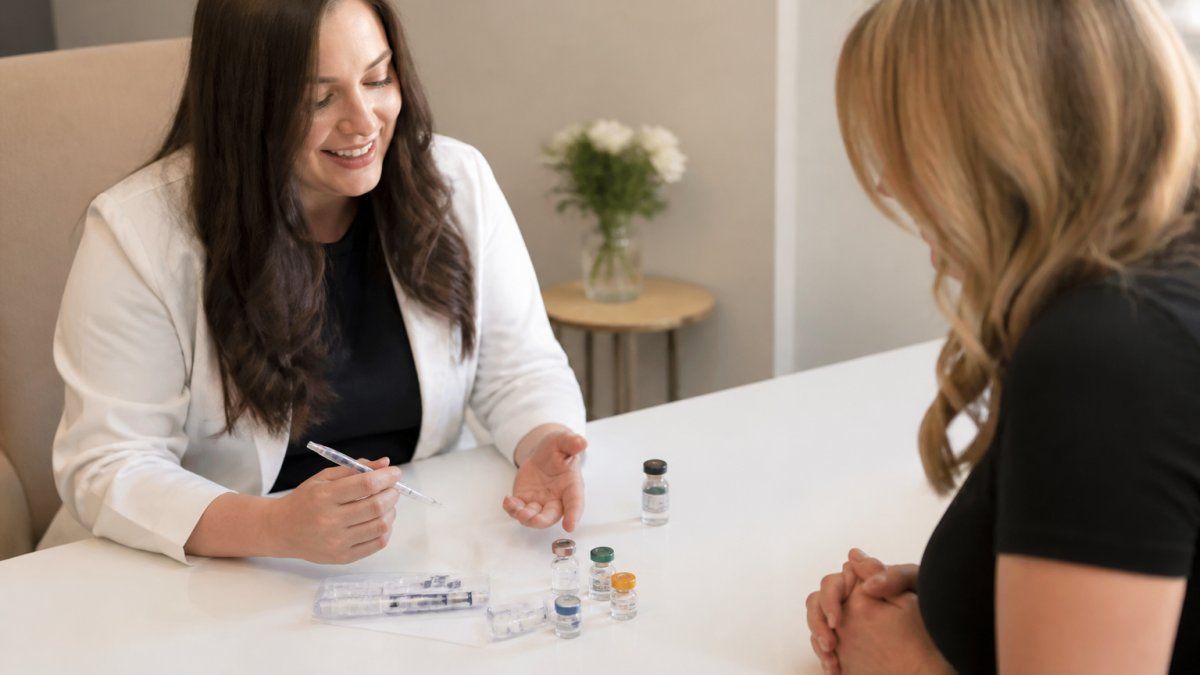
- Who will perform my injection, and what are their credentials?
- Which product will you use, and is it FDA-approved?
- What are the risks for my specific face and health history?
- What warning signs should send me back to you?
- Who handles after-hours concerns?
- Will you tell me if a treatment isn't right for me?
A provider who dodges these questions is telling you something. Honest injectors welcome the scrutiny. For a fuller picture of whether treatment is worth it, read our honest guide on whether neurotoxin treatment is worth it.
Why Injector Qualifications and Credentials Change Your Risk
The person holding the needle matters more than the product. A skilled injector knows facial anatomy, spots danger early, and knows when to stop. That judgment lowers your risk before anything goes wrong.
Credentials to look for:
- Active medical license (nurse practitioner, physician, or dentist)
- Board certification in aesthetics
- Documented advanced training
- A consultation that assesses your face, not just your wallet
A common mistake is choosing on price alone. The cheapest option often skips the assessment that keeps you safe. To learn how to vet a provider thoroughly, read our guide on how to choose an honest injector.
How to Confirm You're Getting FDA-Approved Injectable Products
Ask to see the product packaging before injection. Legitimate providers use FDA-approved products and will show you the vial and lot number. You can verify approved products through the FDA's approved drug database.
Signs of a trustworthy product:
- Sealed, labeled packaging with a lot number
- Product name matches what you agreed to
- No "generic" or unlabeled vials
At Selah Aesthetics and Wellness, we use FDA-approved neurotoxins including Xeomin. You can view our Xeomin treatment page to see what that product involves.
Injectable Treatment Aftercare and Warning Signs to Watch
Aftercare is simple but not optional. Skip it and you raise your risk of complications.

Follow these steps after treatment:
- Avoid strenuous exercise for 24 hours ( What not to do after getting facial filler)
- Skip alcohol and blood thinners for a day
- Don't rub or massage the treated area
- Sleep with your head elevated the first night
- Apply a cool compress for swelling
Warning signs that need a call: spreading redness, fever, severe pain, skin color changes, or vision problems. The American Society of Plastic Surgeons advises contacting your provider for any concerning symptom rather than waiting.
How to Lower Your Risk Before Your First Appointment
Preparation starts before you book. A few smart moves reduce your risk meaningfully.
First, be honest about your health history, medications, and allergies. Blood thinners and certain supplements raise bruising risk. Second, choose a qualified injector over a bargain. Third, ask for a consultation first.
Many practices, including ours, start with a full facial assessment rather than a quick sale. That consult is where real risk reduction begins. It is also where a good injector will tell you no.
Book a Consult That Answers Your Questions First
Walking in with questions is smart. Walking in with answers you trust is better. The right provider treats your questions as the start of care, not an inconvenience.
At Selah Aesthetics and Wellness, we lead with assessment, not sales. Our team is led by Lauren, a board-certified nurse practitioner with advanced training in facial balancing and neurotoxin. We start every patient with a full facial evaluation so you understand your options and your risks. You can meet the people who will care for you on our team page.
Get started with Selah Aesthetics and Wellness and book a consultation where your questions come first.
Frequently Asked Questions
What are the most common side effects of injectable treatments?
The most common reactions are mild and short-lived: redness, swelling, bruising, and tenderness at the injection site, plus temporary headache after neurotoxin. These typically settle within a few days to two weeks. Serious complications are rare but include vascular occlusion, infection, and nodules. Because injectable treatment risks vary by product and area treated, ask your provider what to expect for your specific plan and which symptoms should prompt a call.
How do I know if my injector is qualified?
Ask directly about licensure and credentials. A qualified injector is a licensed healthcare professional (physician, nurse practitioner, physician assistant, or registered nurse) with documented aesthetic training, and can tell you who supervises the practice and what to do in an emergency. Look for board certification and specific advanced training in facial anatomy. At Selah Aesthetics and Wellness, lead injector Lauren is a board-certified family nurse practitioner with extensive advanced training in facial balancing and neurotoxin.
How can I verify an injectable product is FDA-approved?
Ask to see the vial or syringe and confirm the product name and manufacturer before treatment. FDA-approved injectables are sold only to licensed medical practices, so a provider should have no issue showing you packaging. Be wary if a product is described vaguely, offered at an unusually low price, or comes from an unverified source. You can also check the FDA's approved product listings. If something feels off, it is reasonable to reschedule.
What warning signs after an injection need prompt medical attention?
Seek urgent care for severe or worsening pain, blanching (white) skin near the injection site, mottled or dusky skin color, vision changes, or skin that feels cool and painful. These can signal vascular occlusion, which is time-sensitive. Also call your provider for spreading redness, fever, or firm nodules that appear days to weeks later, as these may indicate infection or a delayed reaction. Know your provider's after-hours contact before you leave.
Your face deserves a provider who explains the risks honestly and treats you like a person, not a chart. We built our practice on that belief. Book a consult and let us answer every question before you decide.

Lauren Hodge, MSN, FNP-C, is a board-certified Family Nurse Practitioner and aesthetic injector in Columbus, GA, with advanced training in regenerative medicine and aesthetics. She combines her background in pediatrics, pain management, and orthopedics with a passion for natural results, helping patients look and feel their best.
Share This Blog