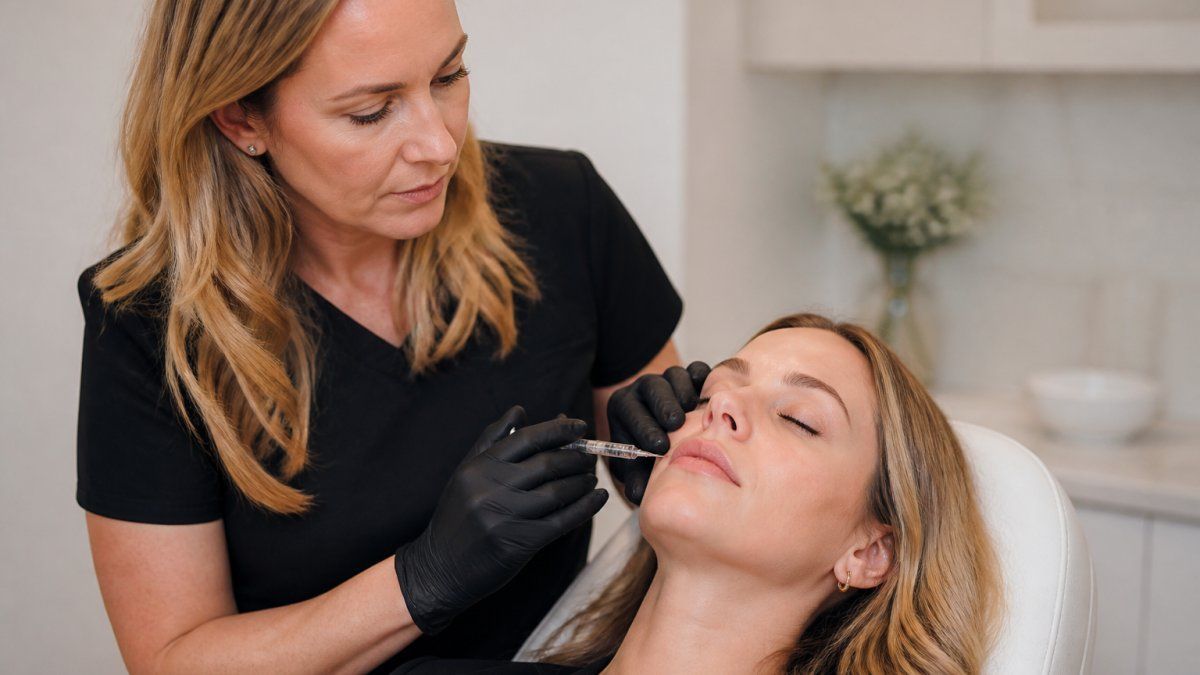
Advanced Facial Balancing With Neurotoxins

Editorial Team - MSN, FNP-C
Table of Contents
- What Facial Balancing With Neurotoxins Actually Means
- How Neurotoxins Work on Facial Muscles
- Neurotoxin Injection Areas: From Forehead to Neck
- Masseter Botox for Facial Slimming
- Natural-Looking Botox Results: Planning the Full Face
- How Long Do Neurotoxin Results Last?
- Risks, Limitations, and Realistic Outcomes
- Frequently Asked Questions
Last Updated: October 19, 2026
What Facial Balancing With Neurotoxins Actually Means
Facial balancing with neurotoxins is a full-face approach to injectable treatment that uses small doses of botulinum toxin in several muscle groups at once to soften lines, relax overactive muscles, and restore harmony between facial features.
The idea is simple. Most faces do not age in one spot. They age in patterns. A heavy glabella pulls the brow inward. An overactive masseter widens the lower face.
Treating one area in isolation can leave the face looking off. Treating the pattern restores facial harmony.

How Neurotoxins Work on Facial Muscles
Neurotoxins temporarily reduce muscle contraction. The product blocks the signal that tells a facial muscle to fire, so the muscle relaxes and the skin above it smooths out.
That relaxation is why dynamic wrinkles soften. These are the lines that appear when you frown, squint, or smile. Fine lines at rest often improve too, because the muscle is no longer creasing the skin all day.
The effect is temporary by design. Muscle relaxation fades over months, which is why treatment maintenance matters.
Neurotoxin Injection Areas: From Forehead to Neck
Neurotoxin injection areas span the whole face, not just the upper third. A full-face plan maps which muscles are driving which expression, then treats them in proportion. The advanced part is not the list of areas, it is understanding how those muscles pull on each other.
Upper Face: Forehead, Glabella, and Crow's Feet
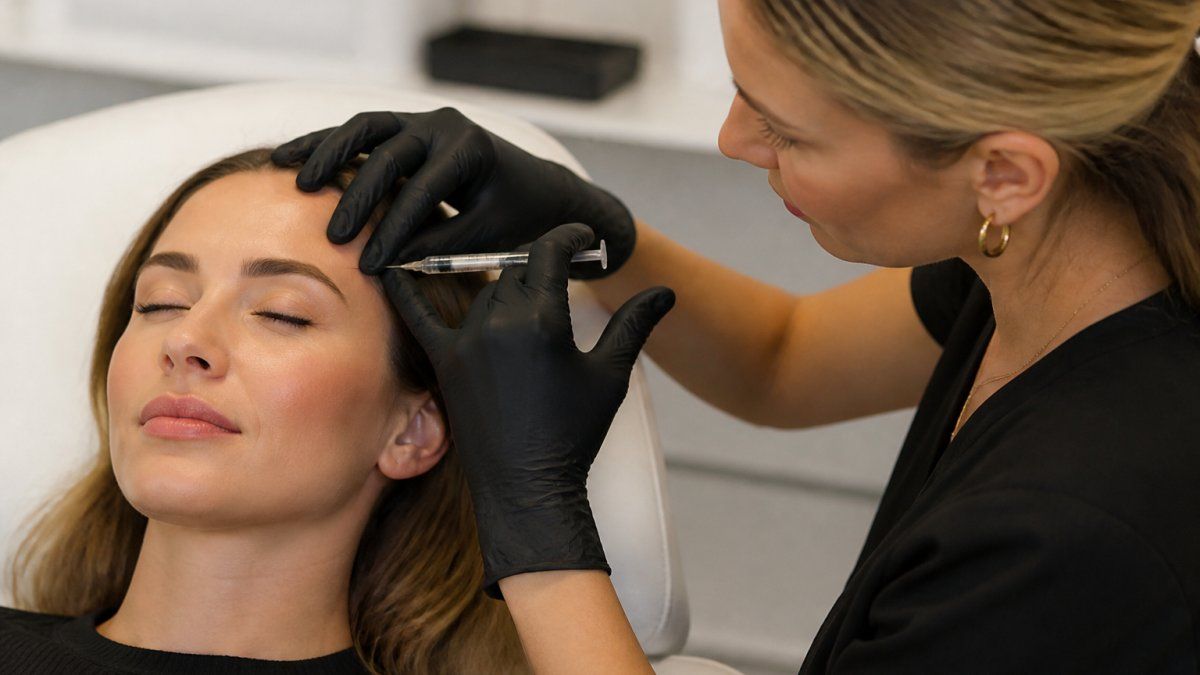
The forehead, glabella, and crow's feet are the most familiar treatment areas, but they are also the most interdependent. The frontalis lifts the brow. The glabella muscles (corrugator supercilii and procerus) pull the brows together and down. The orbicularis oculi creates crow's feet at the outer eye and also contributes to brow position.
That interdependence is why dose and placement here decide whether the result looks refreshed or frozen. Relaxing the glabella without accounting for the frontalis can leave the brow looking heavy. Treating the frontalis too aggressively can drop the brow and make the upper eyelid look hooded.
Midface and Lower Face: The Muscles That Move the Smile
The midface is where advanced planning starts to separate from routine treatment. The levator labii superioris elevates the upper lip; when it is hyperactive, it produces a gummy smile. The depressor anguli oris pulls the corners of the mouth down, contributing to a resting frown. The mentalis dimples the chin and can create a cobblestone texture.
These muscles do not act alone. Relaxing the levator labii superioris changes how the lip meets the teeth, which can affect speech and smile symmetry. Treating the depressor anguli oris can lift the mouth corners, but over-treatment can flatten the lower lip.
Lower Face and Neck: Masseter, Gummy Smile, and Platysma
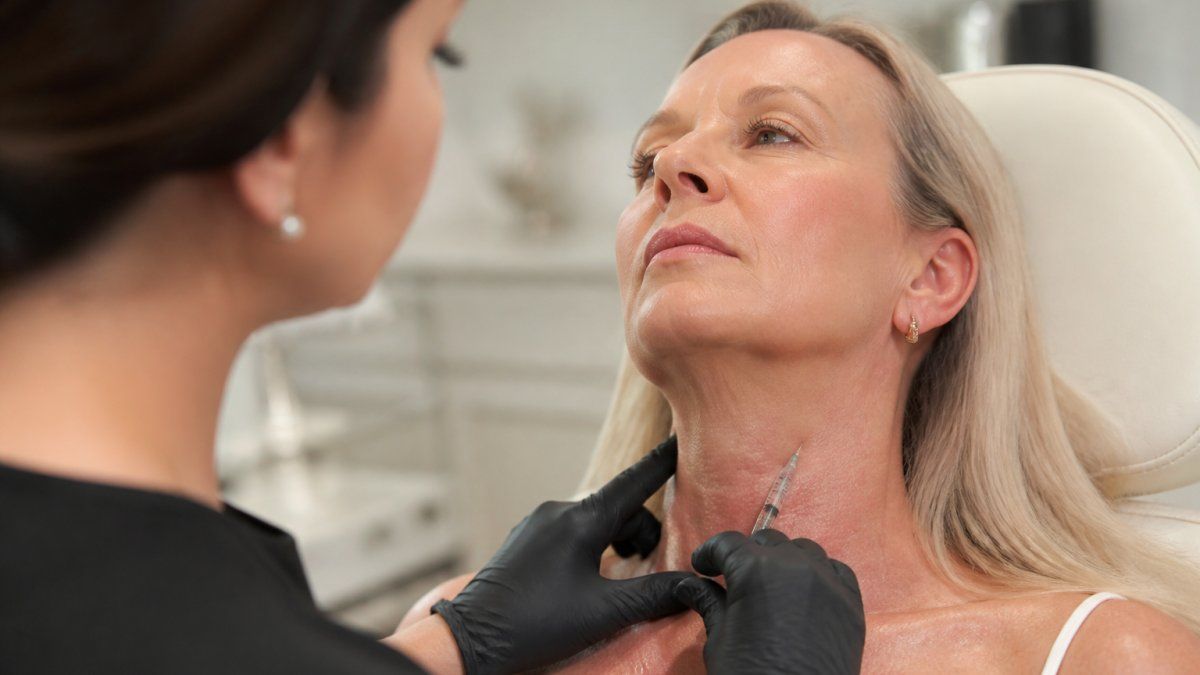
The lower face and neck are where advanced planning earns its keep. The masseter widens the jaw. A hyperactive muscle that pulls the upper lip creates a gummy smile. The platysma bands in the neck pull the jawline down and can create vertical neck cords.
Treating these areas changes the shape of the face, not just the lines on it. That is why assessment comes first. Masseter treatment can slim the lower face, but it also changes how the jaw feels when chewing and can shift strain to the temporalis if the clenching pattern is not addressed.
How the Areas Interact
A useful way to think about advanced facial balancing is in movement patterns rather than isolated zones.
This is why a full-face plan is not a longer menu of areas. It is a map of which muscles are overactive, which are compensating, and which should be left alone. The next section covers how that map is built during a consultation.
Masseter Botox for Facial Slimming
Masseter Botox for facial slimming relaxes the large chewing muscle at the back of the jaw. When that muscle shrinks from reduced use, the lower face looks narrower and the jawline looks more defined.
This suits people with a square or wide lower face driven by muscle, often from clenching or grinding. It does not slim a jaw widened by bone or fat.
Expect a gradual change, not an overnight one. The muscle takes time to reduce, and results are temporary.
Natural-Looking Botox Results: Planning the Full Face
Natural-looking Botox results come from planning the full face before a single unit is placed. The planning process is also where candidacy is decided, not every face is a good candidate for every area, and an honest assessment says so before treatment begins.
What a Full-Face Assessment Covers
A qualified injector starts with facial proportions and movement, not with a price list. The assessment typically covers:
- Resting and dynamic movement: Which muscles fire at rest, which fire only on expression, and which are compensating for others.
- Facial proportions: Brow position, eye spacing, midface projection, jaw width, and lower-face height, assessed against the patient's own features rather than an ideal template.
- Skin and volume: Whether laxity, volume loss, or texture is contributing to the concern, because neurotoxins do not correct those.
- Medical history: Prior injectable treatments, neuromuscular conditions, pregnancy or breastfeeding status, and medications that affect bleeding or healing.
- Goals and tolerance: How much movement the patient wants to keep, and how they feel about a softer versus a more frozen result.
That assessment answers three questions:
- Which muscles are overactive, and which are compensating
- Where muscle relaxation will help, and where it will flatten the face
- Whether neurotoxins alone are enough, or whether volume and skin quality need attention too
Candidacy: Who Should Wait or Choose Differently
Neurotoxins are not the right tool for every concern. A patient whose primary issue is volume loss, skin laxity, or deep static lines may get a better result from a plan that includes fillers, skin tightening, or skincare.
Pregnancy and breastfeeding are commonly treated as reasons to defer. Patients on blood thinners or with bleeding disorders need a conversation about bruising risk. And patients with unrealistic expectations, for example, expecting neurotoxins to change jaw bone width or remove excess skin, are better served by a clear explanation of limits than by treatment.
Formulation, Dose, and Placement
Product choice, dose, and placement all affect the plan, and a neutral explanation helps set expectations without turning the consult into a brand comparison. Different botulinum toxin formulations have different unit Potency and diffusion characteristics, which is why units are not interchangeable between products ( Botulinum toxin type A products are not interchangeable: a review of the evidence).
Placement matters as much as dose. Injecting too superficially in the forehead can cause a heavy brow; injecting too deeply near the eye can affect the wrong muscle. In the masseter, placement toward the lower portion of the muscle reduces the risk of affecting the smile.
The practical takeaway is that a good plan is specific to the patient's anatomy and movement pattern, not copied from a standard template.
What to Expect: Onset, Follow-Up, and Aftercare
Results do not appear immediately. Most patients notice the effect beginning within a few days, with the full result developing over about two weeks. A follow-up visit at around two weeks lets the injector assess the result and adjust if needed.
Aftercare is simple but worth following: avoid rubbing the treated area for the first day, avoid strenuous exercise and alcohol for the first 24 hours, and stay upright for a few hours after treatment. Bruising and swelling are common and usually resolve within a few days.
Realistic Outcomes
A natural result is one where the face still moves, the features stay in proportion, and the patient looks like a rested version of themselves rather than a different person. That outcome depends on conservative dosing, a plan that respects muscle interactions, and a willingness to adjust at follow-up rather than over-treat on the first visit.
Facial proportions guide the plan. The goal is a face that looks built, not overfilled. They'll notice. They won't know why.
| Treatment Area | Primary Muscle | Main Goal | Typical Concern |
|---|---|---|---|
| Forehead | Frontalis | Soften horizontal lines | Brow heaviness if overdosed |
| Glabella | Corrugators, procerus | Smooth the "11" lines | Frown that returns early |
| Crow's feet | Orbicularis oculi | Soften eye lines | Smile that looks tight |
| Masseter | Masseter | Slim the lower face | Change in chewing feel |
| Gummy smile | Levator labii superioris | Reduce gum show | Uneven lip lift |
| Neck | Platysma | Smooth neck bands | Strain on the jawline |
The best outcomes come from an injector willing to say no when a treatment is not right for your face. Judgment before technology.
How Long Do Neurotoxin Results Last?
Neurotoxin results typically last around three to four months, though the exact timeline varies by product, dose, treatment area, and how your muscles respond. Some people hold results longer; others see movement return sooner.
Areas with strong muscles, like the masseter, can behave differently from the forehead. Maintenance visits keep the pattern stable instead of letting it reset fully between treatments.
We would rather under-treat and adjust than over-treat and wait it out.
Risks, Limitations, and Realistic Outcomes
Every injectable carries side effects worth naming. Common ones include swelling, redness, and bruising at injection sites. Less common risks include asymmetry, brow heaviness, or a temporary change in smile.
Less familiar areas carry their own cautions. Masseter treatment can affect chewing comfort. Gummy smile treatment can alter how the lip moves. Neck treatment near the platysma needs careful placement.
Neurotoxins do not fix volume loss, skin laxity, or texture. Those need other tools in the plan. Honest limitations are part of the consult, not an afterthought.
Frequently Asked Questions
What all does facial balancing include?
Facial balancing is a full-face plan, not a single injection. It can combine neurotoxins to relax specific muscles, dermal fillers or biostimulators to restore volume, and skin treatments to improve texture. The goal is facial harmony: proportions that look right together rather than one area that draws attention. A proper assessment looks at bone, fat, muscle, and skin before anything is recommended, and the plan is customized to your anatomy and how your face moves.
Which facial areas can be treated with neurotoxins?
Common neurotoxin injection areas include the forehead, glabella (the lines between the brows), and crow's feet. Advanced injectors also treat the masseter for jawline slimming, the upper lip for a gummy smile, the chin for dimpling, and the neck bands. Each area needs its own dose and injection placement because the muscles differ in size and function. Treating several areas together is what creates a balanced result rather than a frozen or lopsided one.
How long do neurotoxin results last?
Most neurotoxin results last roughly three to four months, though this varies by product, dose, treatment area, and how quickly your body metabolizes it. Muscle relaxation in the masseter may fade on a similar timeline, and some patients notice slightly longer results with repeated treatment. Maintenance appointments keep the effect consistent. Your injector can map out a treatment schedule after your first session so results do not wear off unevenly.
Can neurotoxins be combined with dermal fillers for facial balancing?
Yes, and the combination is often what produces natural-looking results. Neurotoxins relax the muscles that create dynamic wrinkles, while dermal fillers and biostimulators such as Radiesse restore volume and support in areas like the cheeks, jawline, and chin. Planning both together lets the injector balance movement and structure at the same time. Many providers stage the treatments across visits so swelling settles and each layer can be assessed before the next step.
Facial balancing with neurotoxins works best when it is planned, not priced by the area. If you want a refreshed, balanced result that still looks like you, Selah Aesthetics and Wellness can help. Our consults start with a full-face assessment, our plans are built around your anatomy, and we tell you the truth about what you need. Book a consultation and get a plan built for your face, not a template.

Lauren Hodge, MSN, FNP-C, is a board-certified Family Nurse Practitioner and aesthetic injector in Columbus, GA, with advanced training in regenerative medicine and aesthetics. She combines her background in pediatrics, pain management, and orthopedics with a passion for natural results, helping patients look and feel their best.
Share This Blog