How to Choose an Honest Injector: 2026 Guide

Editorial Team - MSN, FNP-C
Table of Contents
- Start With a Verification Checklist for Cosmetic Injector Credentials
- How to Make the Most of an Aesthetic Injector Consultation
- Essential Questions to Ask an Aesthetic Injector
- Red Flags When Choosing an Injector: Pressure, Promises, and Conflicts of Interest
- How to Choose an Honest Injector: Making the Final Decision
- Safety, Transparency, and Follow-Up: What an Honest Injector Provides
- Conclusion
- Frequently Asked Questions
Last Updated: October 12, 2026
Start With a Verification Checklist for Cosmetic Injector Credentials
Learning how to choose an honest injector starts with one habit: verify before you book. An honest injector welcomes questions about their credentials because those answers protect you. At Selah Aesthetics and Wellness, we tell every patient that the consult is medicine, not a sales pitch. This guide walks you through the exact checks we would want a family member to run. (Source: state medical board database)
Here is what to verify, in order:
- Active state medical license you can look up yourself
- Board certification in aesthetics or a related field
- Current training in the specific injectable treatments offered
- A written scope of practice with named medical oversight
- A clean complaint history with your state medical board
License and Board Certification
An honest injector holds a real medical license and can show it without hesitation. In the United States, injectable treatments are medical procedures, so the person holding the needle should be a licensed professional such as a nurse practitioner or physician.
Board certification matters too. Certification in aesthetics shows a provider met national standards beyond basic licensure. Selah's owner and lead injector, Lauren, is a board-certified Family Nurse Practitioner with aesthetics board certification through the AAOPM.
Training, Continuing Education, and Experience
Training is not a one-time event. Injectable products, techniques, and safety protocols change, so honest injectors keep learning. Ask how many advanced trainings they have completed and whether those covered facial anatomy, complication management, and product knowledge.
Experience counts, but only when it is specific. A provider with hundreds of neurotoxin treatments may still be new to advanced facial balancing. Ask how often they perform the exact treatment you want.
Scope of Practice and Medical Oversight
Every state sets its own scope of practice rules for who may inject and under what supervision. Ask who provides medical oversight, how complications are handled, and where emergency protocols live. An honest injector answers these questions plainly.
How to Make the Most of an Aesthetic Injector Consultation
An aesthetic injector consultation is a medical visit, not a sales appointment. The best consultations include a full facial assessment, your medical history, a discussion of your goals, and a written treatment plan.

A Consultation Checklist You Can Actually Use
Most articles tell you a consultation should be thorough. Few tell you what thorough looks like on paper. Bring this checklist and tick each item before you agree to treatment:
- Full medical history taken, including medications, allergies, autoimmune conditions, pregnancy status, and prior aesthetic treatments
- Facial assessment performed in person, not from a photo or a quick glance
- Your goals stated back to you in the injector's own words, so you can confirm they understood
- At least two alternatives discussed, including the option to do nothing today
- Risks explained in plain language, not buried in a consent form you sign at the end
If any box is unchecked, you are not being rushed into a bad decision by asking for it. You are asking for the standard of care.
What a Thorough Consultation Should Cover
A thorough consultation covers four things: your goals, your medical history, your facial anatomy, and your options. A face should be assessed, not priced by the area.
Your medical history matters more than most people expect. Medications, allergies, autoimmune conditions, and past treatments all change what is safe for you. Blood thinners raise bruising risk. A history of cold sores changes how lip filler is planned.
Communication and Shared Decision-Making
Good communication feels like a conversation, not a pitch. You should hear honest answers about what a treatment can and cannot do, plus realistic expectations about downtime and results. Ask about alternatives, including doing nothing for now.
The FDA's guidance on dermal fillers explains that injectable treatments carry real risks, including lumps, infection, and vascular complications. A provider who skips that conversation is skipping informed consent.
When an Honest Injector Should Recommend No Treatment
This is the part almost no article covers, and it is the clearest sign of honesty you will ever see. A good injector will decline or defer treatment when:
- Your goals do not match what the product can realistically do, such as expecting filler to correct significant skin laxity
- You have an active infection, skin breakout, or open wound near the treatment area
- You are pregnant, breastfeeding, or trying to conceive, depending on the product
- You have a known allergy to a product component or a history of poor healing
- You are on a medication that meaningfully raises risk and cannot safely pause it
A provider who never says no is not being agreeable. They are being paid to agree. The willingness to turn down your money is the single most reliable honesty signal in this field.
Essential Questions to Ask an Aesthetic Injector
Bring a written list. These questions to ask an aesthetic injector separate a careful clinician from a fast salesperson: (Source: board certification in aesthetics)
- What are your medical credentials and license number?
- How many times have you performed this exact treatment?
- What product are you recommending, and why that one?
- What are the risks, and how do you manage complications?
- Do you stock hyaluronidase for filler emergencies?
- What does follow-up care look like, and who do I call after hours?
- What would you recommend if I wanted nothing done today?
That last question is the honesty test. An injector who can say "nothing" is an injector who will tell you the truth.
Red Flags When Choosing an Injector: Pressure, Promises, and Conflicts of Interest
The clearest red flags when choosing an injector are pressure and promises. Discounted "filler parties," same-day-only pricing, and guarantees of perfect results all signal that sales are driving the visit. Medical judgment should drive it instead.
Watch for these warning signs:
- Prices quoted per syringe before anyone examines your face
- Pushback when you ask about credentials or product names
- No mention of risks, alternatives, or informed consent
- A provider who never recommends against treatment
- Before-and-after photos that look filtered or heavily edited
Recognizing Pressure Tactics and Sales-Driven Recommendations
Pressure tactics sound flattering. "You would look amazing with a full syringe in each cheek" is a sales line, not a diagnosis. Honest injectors recommend the smallest effective amount and explain why.
Here is how the common tactics actually work, so you can name them in the moment:
- Artificial scarcity. "This pricing ends today" or "we only have two slots left this month." Real medical practices do not price treatment like a flash sale, because the decision should not be time-pressured.
- Bundling before assessment. A package deal for three areas before anyone has looked at your face assumes you need all three. That is a sales assumption, not a medical finding.
- Flattery as diagnosis. Compliments about your features followed by a suggestion to "just balance" something are designed to feel personal. Ask what anatomical finding supports the recommendation.
- Sunk-cost framing. "Since you are already here, we could add..." The fact that you are in the chair is not a clinical reason to add treatment.
- Anchoring on the highest tier. Quoting the most expensive plan first makes the middle option feel reasonable, even if the smallest option was the right one.
Conflicts of interest are quieter. Ask directly whether the injector receives commissions, bonuses, or free product for recommending a specific brand. A provider who is paid more for one product than another has a reason to prefer it, and honest injectors disclose that.
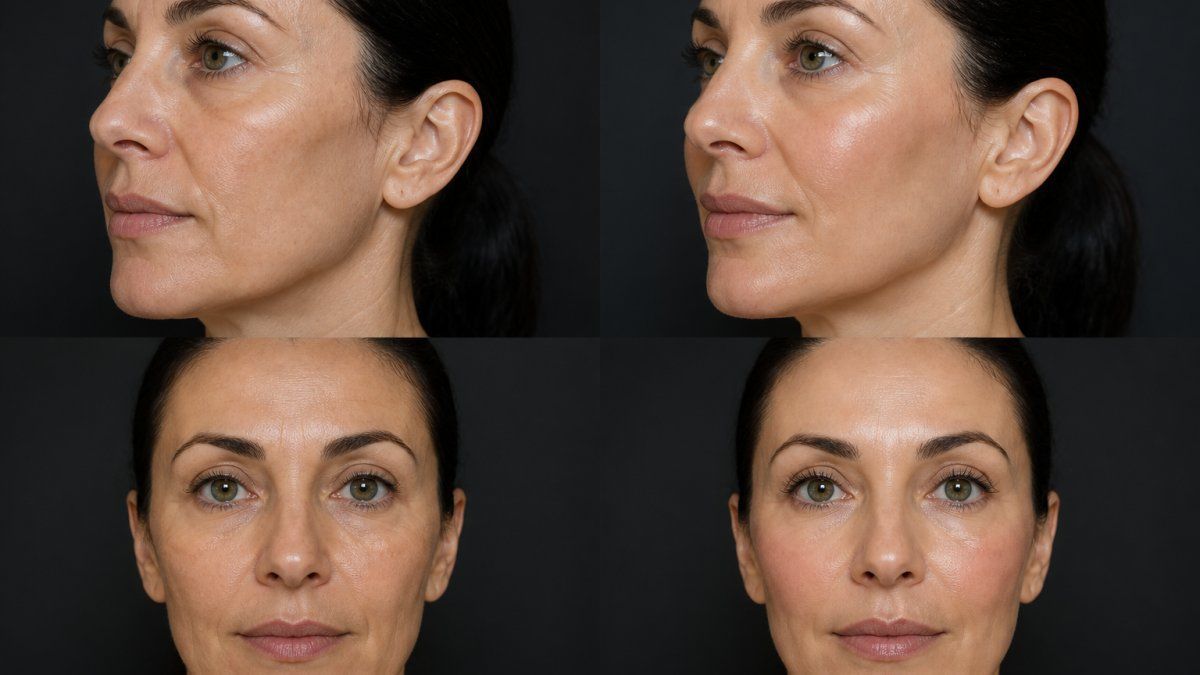
Assessing Before-and-After Photos and Reviews
Photos are evidence, so treat them that way. A single dramatic pair proves very little. What matters is whether the photos are comparable and representative.
When you look at before-and-after images, check:
- Lighting. Shadows hide and create volume. The same lighting in both photos is the minimum standard.
- Angle and expression. A slight head tilt or a smile can change how cheeks and lips look more than filler does.
- Timeline. Filler and neurotoxin settle over days to weeks. A photo taken immediately after treatment is not a final result.
- Treatment details. Which product, how much, and where. Without that, you cannot tell whether the result is relevant to what you are considering.
- Consistency across the gallery. If every patient looks like the same face, the injector may be applying one template rather than assessing each face.
Reviews help too, but read for patterns rather than single posts. Repeated mentions of rushed visits, surprise charges, or difficulty reaching anyone after treatment matter more than one glowing review. Look for reviews that describe the consultation itself, not just the result, because the consultation is where honesty shows up first.
How to Choose an Honest Injector: Making the Final Decision
Decide with a simple scoring method. Rate each provider from 1 to 5 on credentials, consultation quality, transparency, and follow-up policy, then total the scores.
| What to Check | Strong Sign | Warning Sign |
|---|---|---|
| Credentials | License and board certification shared freely | Vague answers about training |
| Consultation | Full facial assessment and medical history | Treatment pitched in minutes |
| Pricing | Written plan with itemized costs | Per-syringe quotes before exam |
| Follow-up | Named contact and scheduled review | No plan after treatment |
| Honesty | Will recommend against treatment | Never says no to anything |
Safety, Transparency, and Follow-Up: What an Honest Injector Provides
Safety is a system, not a promise. Honest injectors use sterile technique, keep emergency supplies on hand, and know how to manage complications.
Transparency extends to money and time. The American Board of Medical Specialties notes that board certification signals a provider met rigorous standards, which is one more reason to check credentials before you book.
Follow-up care is where honesty shows up after the appointment. A good practice schedules a review, documents your treatment history, and adjusts the plan based on how your results settle.
Conclusion
Choosing an honest injector takes homework, and that is exactly the point. Verify licenses, ask hard questions, and watch for pressure. Our consults start with Selah Face Value, a head-to-toe assessment, and we will say no when a treatment is not right for you. Book a consultation with Selah Aesthetics and Wellness and get a plan built around your face, not a price list.
Frequently Asked Questions
How do I know if an injector is qualified?
Check the injector's license and board certification. In the U.S., injectors are typically physicians, nurse practitioners, or physician assistants. Look for board certification in aesthetics and specialized training in facial anatomy and injectable techniques.
What questions should I ask a cosmetic injector before treatment?
Ask about their credentials, experience, and complication management. Specifically: What is your license and board certification? What products do you use, and how do you handle complications like vascular occlusion? Do you have hyaluronidase on site? What is your follow-up policy?
What are red flags when choosing an aesthetic injector?
Red flags include pressure to book multiple treatments on the first visit, prices that seem too low, reluctance to answer questions about credentials. Other warnings: no mention of risks and alternatives, before-and-after photos that look heavily edited or inconsistent, and a provider who dismisses your concerns. Trust your instincts; an honest injector welcomes questions and never rushes you.
Should an injector recommend a treatment during the first consultation?
A reputable injector will not pressure you to commit to treatment during the first consultation. The initial visit should focus on assessment, education, and shared decision-making. They may suggest a plan, but you should feel free to take time to consider it. If they insist on same-day treatment or offer discounts for immediate booking, that's a sales tactic, not patient-centered care. An honest injector respects your pace and may even recommend no treatment if it's not appropriate.

Lauren Hodge, MSN, FNP-C, is a board-certified Family Nurse Practitioner and aesthetic injector in Columbus, GA, with advanced training in regenerative medicine and aesthetics. She combines her background in pediatrics, pain management, and orthopedics with a passion for natural results, helping patients look and feel their best.
Share This Blog