Enhanced Natural Beauty vs Improved Well-Being

Editorial Team - MSN, FNP-C
Table of Contents
- Enhanced Natural Beauty and Improved Well-Being Are Not Competing Goals
- Integrative Wellness and Aesthetics: How They Connect
- The Holistic Wellness Pillars That Support Your Aesthetic Goals
- What Natural-Looking Aesthetic Results Actually Mean
- Building Your Personalized Wellness Plan for Both Goals
- How to Choose a Provider Who Honors Both Your Aesthetic and Wellness Needs
- Realistic Outcomes, Honest Timelines, and What to Expect
- Frequently Asked Questions
Last Updated: October 12, 2026
Enhanced Natural Beauty and Improved Well-Being Are Not Competing Goals
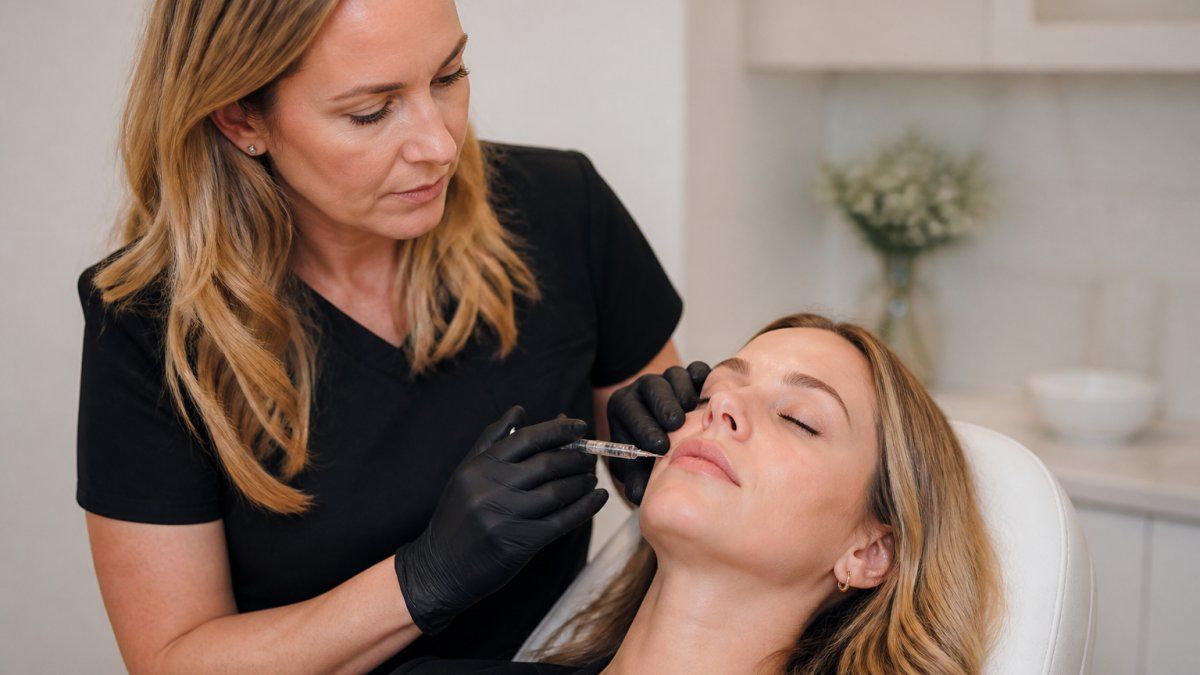
At Selah Aesthetics and Wellness, patients often arrive worried they must choose between enhanced natural beauty well-being and looking refreshed, when in fact the two are inseparable. The truth is simpler. (Source: the National Institutes of Health's information on inflammation)
Enhanced natural beauty and improved well-being are intertwined. Address one thoughtfully and the other often follows. A face that's assessed and balanced, not overfilled, reflects deliberate self-care, building confidence and reinforcing the wellness habits that keep you strong.
Integrative Wellness and Aesthetics: How They Connect
The connection between how you look and how you feel runs deeper than vanity. Your appearance influences your emotional state, and your internal health shapes your skin, energy, and presence.
Pursued through whole-person health, enhanced natural beauty lasts longer and feels more authentic. You're building on your own foundation, bone structure, skin's capacity to heal, and your body's ability to respond to treatment.
This is where integrative health and aesthetics converge. A consultation asks not "What do you want changed?" but "What does your body need to look and feel its best?" The answer often combines targeted aesthetic treatments, lifestyle adjustments, nutritional support, and sometimes hormone optimization, each reinforcing the others.
The Holistic Wellness Pillars That Support Your Aesthetic Goals
Your appearance reflects your overall health. Address the foundations and aesthetic improvements follow more naturally.
Skin Health and Internal Health
Your skin is a window into your internal state.
A true integrated approach starts with assessment. Before recommending any aesthetic treatment, we ask: Are you sleeping well? How's your stress? Are your hormones balanced? Is inflammation driving skin changes?
Address internal health first and aesthetic treatments work better: skin heals more efficiently, results last longer, and the refreshed look feels built on a stronger foundation rather than layered over unaddressed problems.
Inflammation and Treatment Longevity
Inflammation accelerates aging: it breaks down collagen, impairs healing, and makes skin more reactive. Regenerative treatments like Radiesse and Morpheus8 trigger your body's natural healing response, but they work best in a low-inflammation environment.
Integrated care changes the outcome. Addressing inflammation through lifestyle, nutrition, and sometimes targeted supplementation gives aesthetic treatments a better foundation: results come faster, hold longer, and you feel better overall, less fatigue, better recovery, more vitality.
What Natural-Looking Aesthetic Results Actually Mean
"Natural" is often misused to mean "barely noticeable." That's not what we mean by enhanced natural beauty well-being.
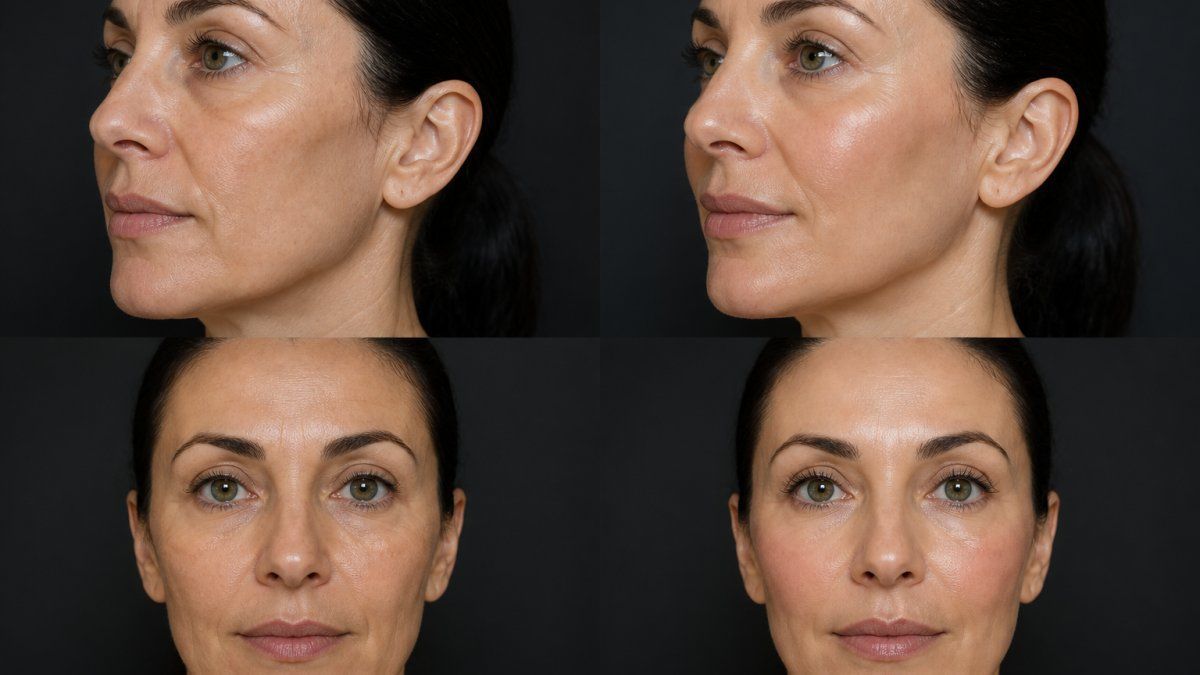
Natural-looking results look like an enhanced version of you , not a different person, not overfilled, not frozen.
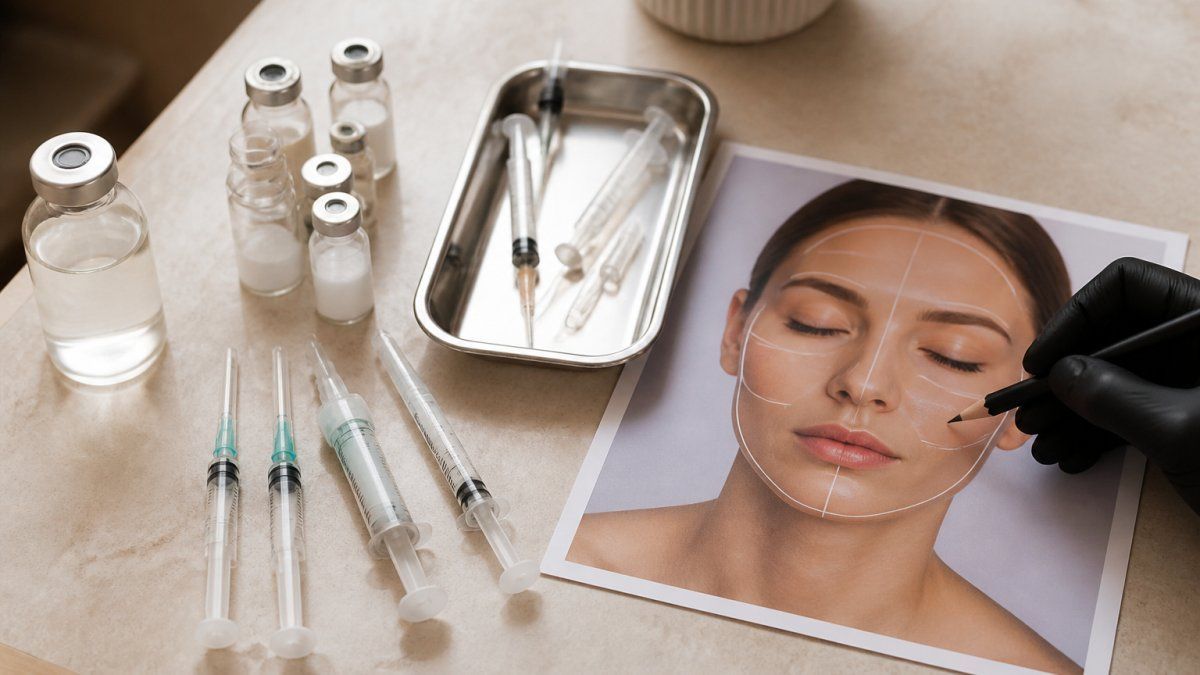
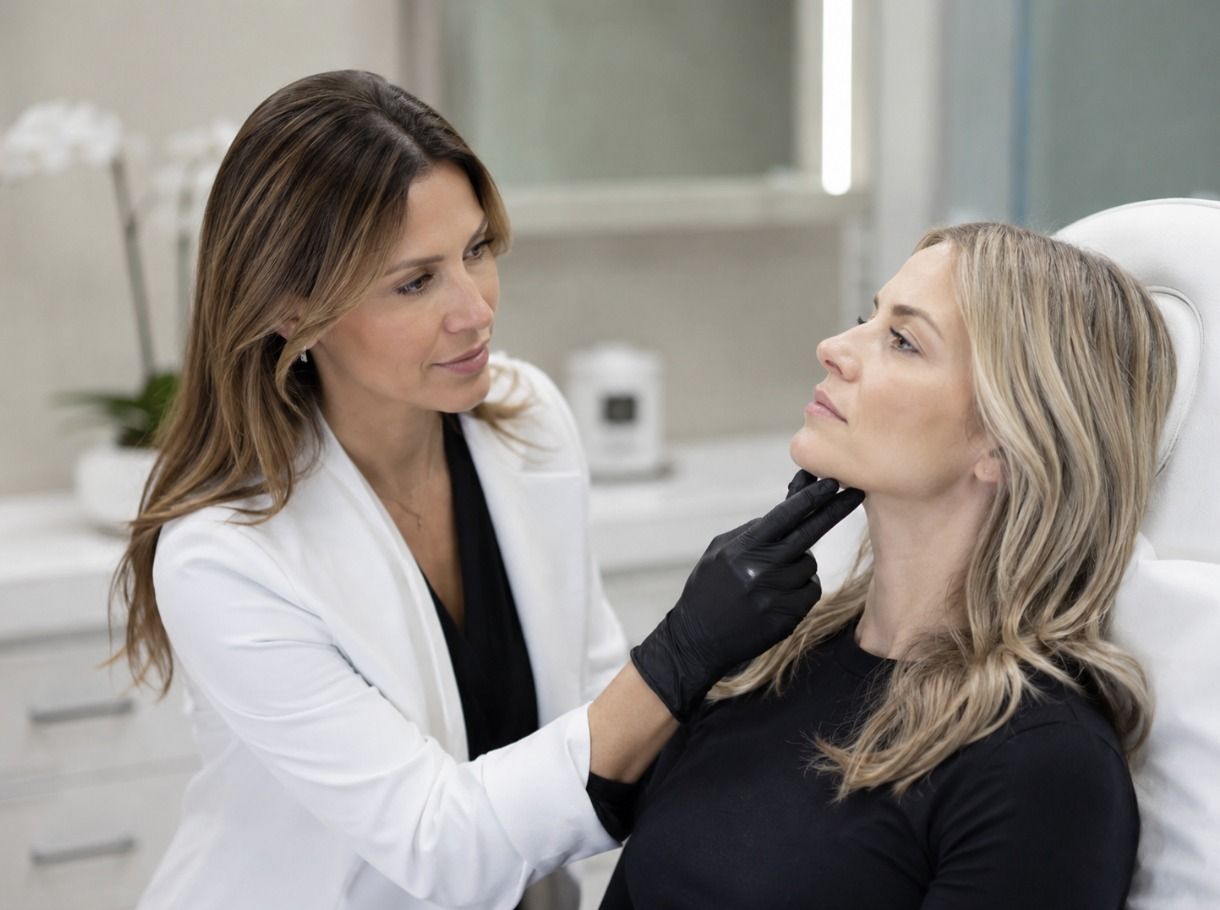
This requires judgment: assessing bone structure, facial proportions, how your face has changed, and what actually needs addressing.
The result is an expensive-looking face, not because of cost, but proportion, balance, and restraint. Built, not overfilled.
Building Your Personalized Wellness Plan for Both Goals
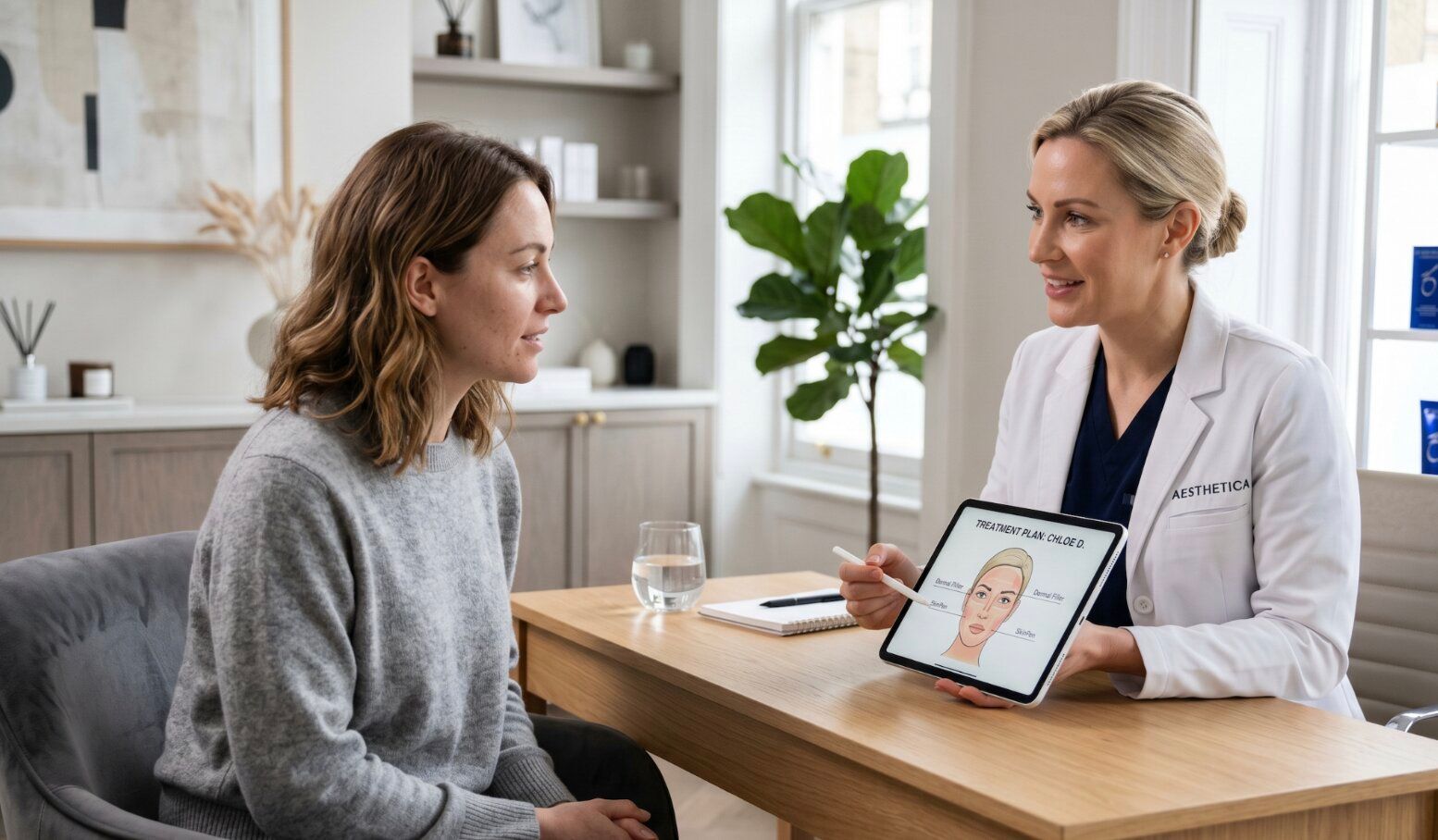
A personalized wellness plan starts with a real consultation, not a sales pitch or checklist, but a medical assessment.

From there, your plan might include:
- Aesthetic treatments (Radiesse, Morpheus8, neurotoxin, or others) timed and layered for natural results
- Regenerative approaches that stimulate your own collagen and healing
- Hormone optimization if testing shows imbalance
The key is coordination: your aesthetic provider should understand your wellness goals, your wellness provider your aesthetic timeline. When they communicate, results improve.
| Element | Purpose | Timeline |
|---|---|---|
| Initial consultation & assessment | Understand your structure, health, and goals | 1 visit |
| Baseline aesthetic treatment | Begin visible refreshment | Varies by treatment |
| Wellness optimization | Support healing and longevity | Ongoing |
| Follow-up assessment | Evaluate results and adjust plan | 2-4 weeks post-treatment |
| Maintenance schedule | Sustain results long-term | As recommended |
How to Choose a Provider Who Honors Both Your Aesthetic and Wellness Needs
Not every aesthetic provider thinks in terms of integrated wellness; many focus purely on what they can inject or laser. That's not enough for results that feel authentic and last. Here's how to tell the difference before you book.
Credentials and Scope of Practice
Start with who is legally allowed to do what. In most states, the practice of medicine, prescribing, hormone optimization, medical assessment, is limited to physicians (MD or DO), and in some states to nurse practitioners and physician assistants under a defined scope and often a collaborative agreement. Aesthetic procedures like injectables, energy-based devices, and regenerative treatments are frequently delegated to registered nurses, nurse practitioners, or physician assistants, but supervision requirements vary by state and treatment.
Practical checks:
- Ask who will actually perform the treatment and who is supervising.
- Confirm the supervising clinician's license is active and in good standing with the state medical or nursing board.
- For hormone or functional-medicine recommendations, confirm the prescriber's scope covers that service in your state.
Safety Screening and Contraindications
Integrated care raises the stakes because you're combining treatment categories. A thorough intake should screen for:
- Pregnancy or breastfeeding , which rules out most neurotoxins, many fillers, and many hormone therapies.
- Active infection, recent dental work, or planned dental work , which can affect timing of facial injectables.
- Autoimmune conditions, immunosuppression, or a history of poor wound healing , which change how regenerative and energy-based treatments are tolerated.
A provider who skips this screening, or waves it off as paperwork, isn't practicing integrated care. They're selling procedures.
Referral Pathways and Care Coordination
True integration means your aesthetic provider knows when to send you elsewhere. Ask:
- Do they refer to dermatology, endocrinology, primary care, or mental health when findings fall outside their scope?
- Do they communicate with your other clinicians, with your written consent, or work in isolation?
- Do they have a plan for complications, who they call, where they send you, and how quickly?
The best-integrated practices have standing relationships with at least one dermatologist, one primary care or internal medicine clinician, and one mental health provider. That network makes "whole-person" more than a slogan.
Costs, Insurance, and Value Over Time
This is where aesthetic and wellness care diverge sharply, and where many patients are surprised.
- Medically indicated care , evaluation of a hormonal disorder, treatment of a skin condition, or management of a diagnosed condition, may be partially covered by health insurance, subject to deductible, copay, and network rules.
- Purely aesthetic services , neurotoxin for expression lines, filler for volume, most energy-based skin treatments, are almost always self-pay. Insurance generally excludes them as cosmetic.
- Hybrid services , some hormone testing, some prescription medications, and some procedures may fall on either side depending on the diagnosis code and the plan.
Pricing varies widely by region, provider type, and product, so no single number applies. Ask for transparency: an itemized estimate before treatment, a clear statement of what follow-up includes, and a written policy on touch-ups and revisions. Value over time isn't the per-session price, it's how long results last, how many sessions are needed, and whether the plan reduces total interventions rather than increases them.
Questions Worth Asking Before You Commit
- Who performs the treatment, and what is their license and training?
- What is the complication plan, and who is on call?
- What does the intake screen for, and can I see it in advance?
You should feel like you're working with someone with medical judgment, not a salesperson. The best providers are honest about what's needed, willing to recommend less rather than more, and can show you in writing how they'll measure results.
Realistic Outcomes, Honest Timelines, and What to Expect
Aesthetic results don't happen overnight, and neither does wellness improvement. Both require patience and consistency, and an honest accounting of what the evidence supports and how you'll know it's working.
What the Evidence Supports, and What It Doesn't
It's worth separating claims by evidence strength.
- Well-established: Neurotoxin for glabellar lines, hyaluronic acid fillers for volume restoration, and certain energy-based devices for skin texture have decades of clinical use and regulatory clearance for specific indications. Their risks and limits are reasonably well characterized.
- Reasonably supported but variable: Regenerative approaches such as biostimulatory fillers and microneedling with radiofrequency show collagen remodeling in studies, but individual response varies with age, skin quality, and health status. Results are not uniform.
- Plausible but less certain: Many wellness interventions, targeted supplementation, certain lifestyle protocols, some hormone strategies, have supportive but mixed evidence. Benefit is real for some patients and modest or absent for others.
A provider who can't tell you which category a recommendation falls into isn't giving informed consent, they're giving marketing.
How to Measure Outcomes Across Both Goals
"I feel better" and "I look refreshed" are real outcomes but hard to track. Useful measures include:
For aesthetic goals:
- Standardized before-and-after photography under consistent lighting and angles
- Skin quality assessments (texture, pore size, laxity) rated by both you and the clinician
- Treatment durability, how many months results hold before maintenance
For well-being goals:
- Validated patient-reported measures such as sleep quality, energy, and mood scales
- Lab trends where relevant (for example, hormone panels), interpreted by a clinician rather than in isolation
- Functional markers, recovery time after exercise, days of poor sleep per month, changes in medication use
For the integrated plan as a whole:
- Whether the number of interventions is trending down or up over a year
- Whether you're meeting goals with fewer, better-timed treatments
- Whether your aesthetic and wellness clinicians are working from the same plan
If no one is measuring, no one can tell you whether the plan is working. Ask what will be tracked, at what intervals, and how the plan changes if the numbers don't move.
Timelines: What to Expect and When to Reassess
Most aesthetic treatments show initial results within 1-2 weeks, with full results over 4-8 weeks as healing progresses. Regenerative treatments stimulate collagen, so results improve over months rather than days.
Wellness improvements follow a similar arc: hormone optimization takes 4-6 weeks to stabilize, sleep and energy changes appear within 2-3 weeks, and skin texture changes emerge over 8-12 weeks as inflammation decreases.
A reasonable reassessment schedule:
- 2-4 weeks: early aesthetic response, tolerance, any adverse effects
- 8-12 weeks: collagen remodeling visible, skin and wellness markers trending
- 6 months: durability assessment, maintenance planning
If a plan isn't producing measurable change by the reassessment points, adjust or stop, don't add more treatments.
When to Pause or Reconsider
Integrated care isn't appropriate for everyone at every time. Consider pausing treatment if you're pregnant or breastfeeding, have an active infection, are recovering from illness or surgery, are in the middle of a major life stressor, or are pursuing treatment mainly to resolve an emotional crisis. In those cases, the more integrated move is to address the underlying issue first, with a primary care clinician, a mental health provider, or both, and return to aesthetic goals when the foundation is stable.
Honest Expectations
Be honest about what you'll commit to. Aesthetic results require maintenance; wellness improvements require consistency. A one-time fix will disappoint. But if you invest in yourself over time, and track whether it's paying off, results compound. The goal isn't more treatments; it's better outcomes, measured honestly, across how you look and how you feel.
Frequently Asked Questions
What does integrated wellness mean, and how does it relate to aesthetic treatments?
Integrated wellness means addressing your whole health, physical, emotional, and aesthetic, as interconnected parts of one system. It recognizes that your appearance, energy levels, skin quality, and emotional confidence are all linked. Aesthetic treatments fit into this framework when they're chosen to support your overall well-being, not just change your appearance. For example, addressing hormonal imbalance through bioidentical hormone replacement therapy often improves skin texture and energy alongside aesthetic treatments, creating results that feel authentic to who you are.
Can I prioritize enhanced natural beauty without sacrificing my wellness goals?
Yes. Enhanced natural beauty and improved well-being are complementary, not competing. A personalized wellness plan integrates both by treating your face, body, and health as one system. Treatments like Radiesse or Morpheus8 work with your body's own healing response, supporting skin regeneration alongside systemic wellness. The key is working with a provider who assesses your whole health, including inflammation, hormonal balance, and lifestyle factors, before recommending aesthetic treatments. This approach ensures your results look refreshed and built, never overdone.
How do I know if a provider is being honest about what I actually need?
A trustworthy provider conducts a thorough medical consult before discussing treatment. They should assess your bone structure, fat distribution, muscle tone, and skin quality layer by layer, not price treatments by facial area. They'll ask about your health history, hormonal status, inflammation levels, and lifestyle, not just what you want to change. Red flags include pressure to buy packages, recommendations for unnecessary procedures, or skipping the consultation phase. A provider focused on integrated wellness will sometimes recommend against a treatment if it's not right for your goals or health status.
What should I ask a provider about an integrated wellness plan?
Ask how they assess your whole health, not just your appearance. Inquire about their approach to skin health, inflammation, hormonal balance, and lifestyle factors. Ask whether they offer or coordinate with services like bioidentical hormone therapy, weight management support, or regenerative treatments. Request clarity on realistic timelines for results and how they measure success across both aesthetic and wellness goals. Ask about their training and certifications in aesthetics and functional health. Finally, ask them to explain why they're recommending specific treatments, the reasoning matters more than the treatment name.
Looking refreshed and feeling strong shouldn't require choosing between two goals. At Selah Aesthetics and Wellness, we believe enhanced natural beauty and improved well-being work together. Book a consultation with Lauren and discover what integrated care looks like when it's built on assessment, honesty, and judgment. We'll create a personalized plan that addresses both how you look and how you feel, and show you exactly what to expect along the way.

Lauren Hodge, MSN, FNP-C, is a board-certified Family Nurse Practitioner and aesthetic injector in Columbus, GA, with advanced training in regenerative medicine and aesthetics. She combines her background in pediatrics, pain management, and orthopedics with a passion for natural results, helping patients look and feel their best.
Share This Blog