Lip Filler Aftercare Tips for Perfect Results in Columbus, GA

Lauren Hodge - MSN, FNP-C
Fresh lip filler can look exciting right away, but the first few days after treatment often come with questions. Swelling, tenderness, bruising, and uneven fullness are all common concerns, especially for first-time patients. Good lip filler aftercare helps support smoother healing and gives your lips time to settle naturally.
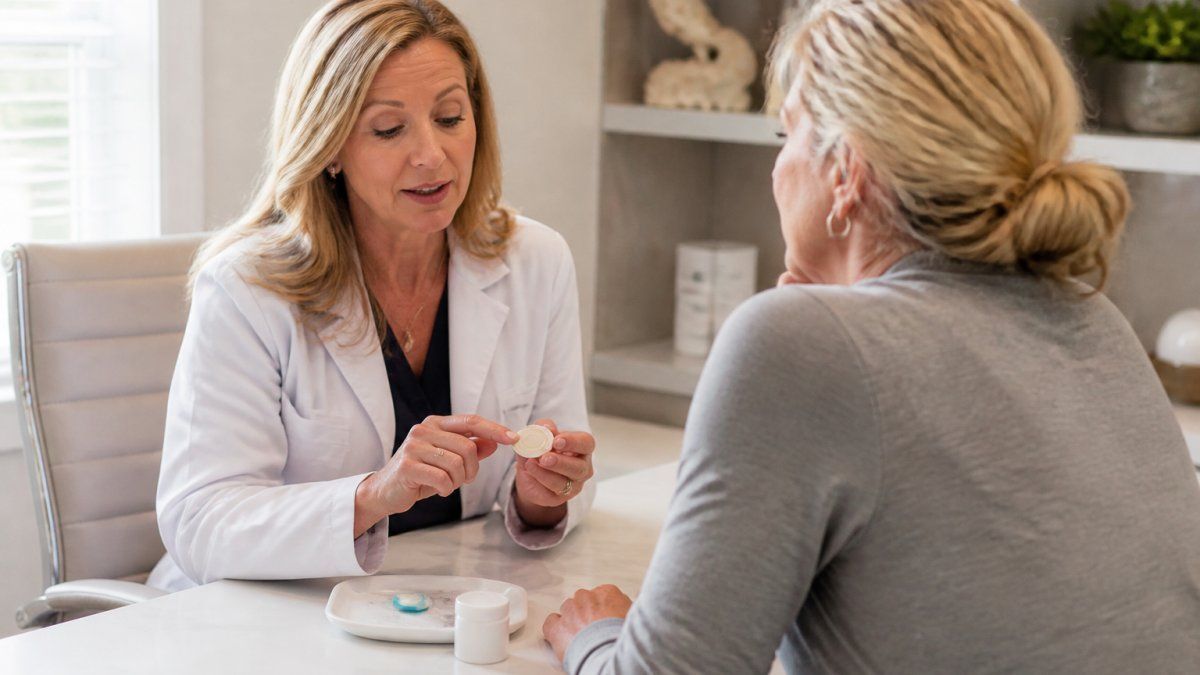
At Selah Aesthetics and Wellness in Columbus, lip filler treatment is approached with balance, clinical judgment, and personalized care. Patients often want lips that look refreshed and soft, not overdone. Proper aftercare plays an important role in that process.
📋What You'll Learn From This Article
- What swelling, bruising, and tenderness are normal after lip filler injections
- How to care for your lips during the first 24 to 48 hours
- Which activities may increase swelling or irritation after treatment
- When lumps or uneven fullness may improve on their own
- Signs that mean it's time to contact your provider
- How experienced injectors help support safer, more natural-looking results
What to Know About Lip Filler Before Aftercare Begins
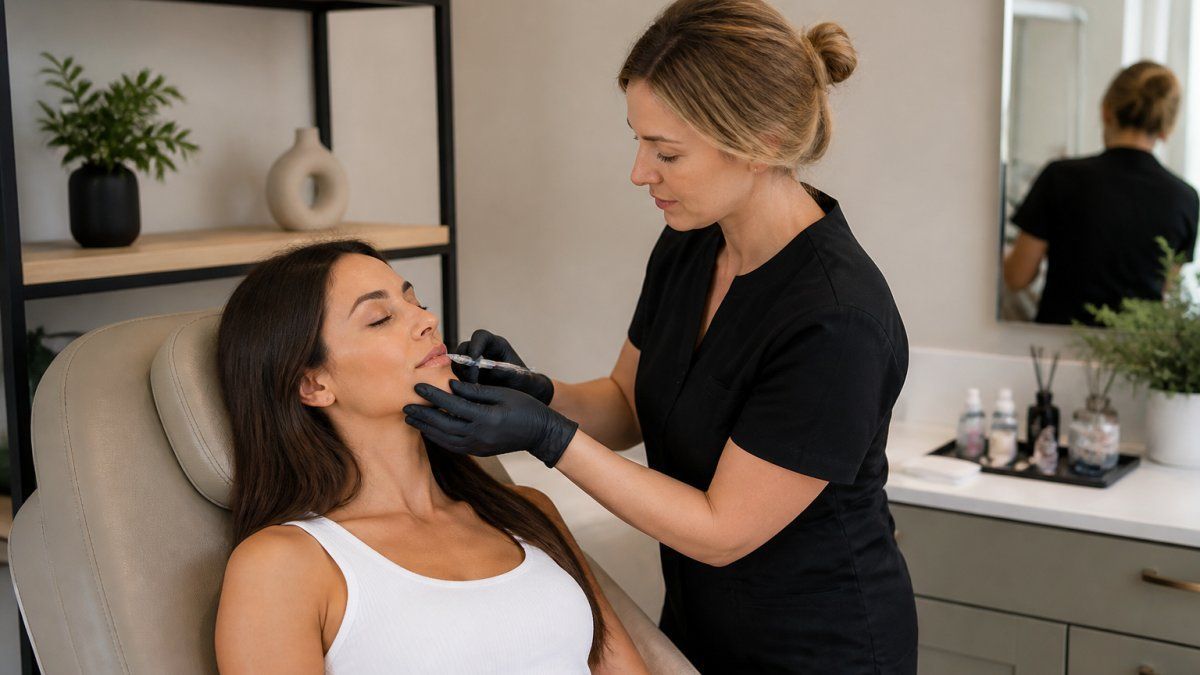
Lip filler is a popular cosmetic procedure used to add volume, improve lip shape, and enhance overall facial balance. Most modern dermal filler products used in the lips contain hyaluronic acid, a substance naturally found in the body that helps maintain hydration and soft tissue support.
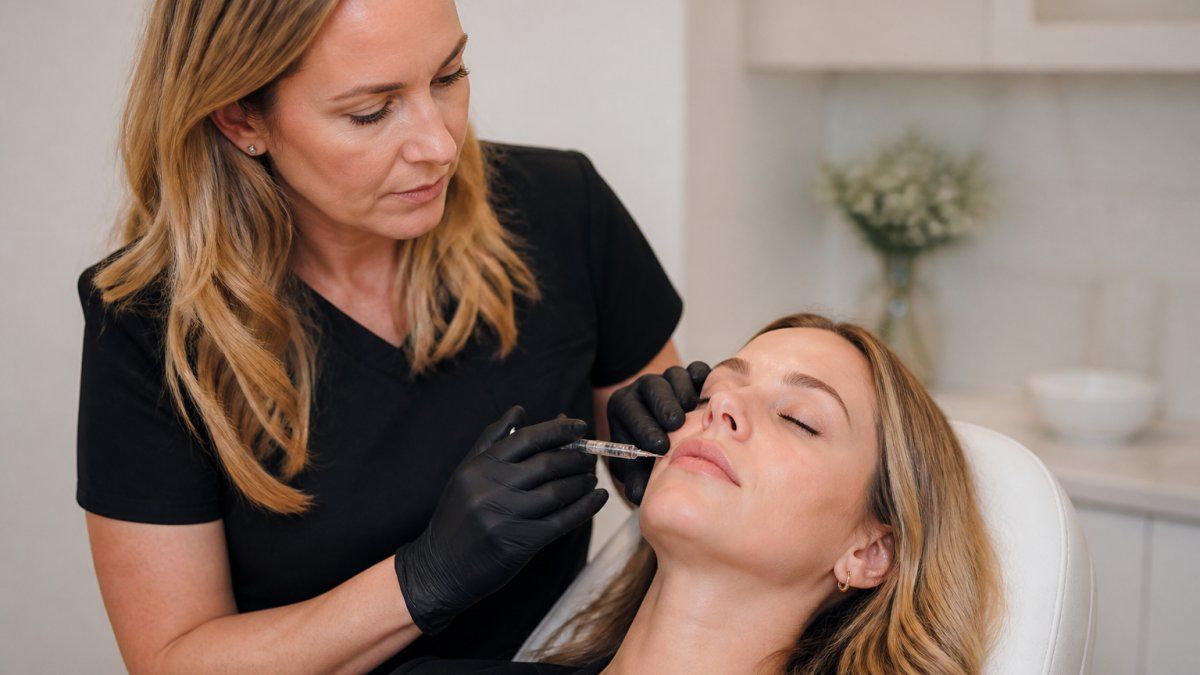
During lip filler injections, filler is carefully placed into targeted areas of the lips to improve fullness, definition, or symmetry. The type of filler used, the amount injected, and your body’s natural healing response can all affect recovery.
Because the lips contain many blood vessels, mild swelling and bruising are expected after many filler treatments. Research published through the National Library of Medicine notes that temporary swelling, redness, tenderness, and bruising are among the most common side effects associated with hyaluronic acid fillers.
Understanding what happens during the healing process makes the first few days after treatment feel much less stressful.
The First 24 to 48 Hours After Lip Filler
The first 24 to 48 hours after treatment are usually when swelling is most noticeable. Lips may feel firm, tight, uneven, or more swollen than expected during this early stage.
That reaction can feel surprising if you were expecting immediate final results, but temporary swelling is a normal part of the aftercare process for many patients.
What You May Notice Right After Treatment
After getting lip filler, common short-term effects may include:
- Swelling
- Bruising
- Tenderness
- Mild redness
- Tightness
- Temporary unevenness
- Small firm areas near the injection site
Most of these effects improve gradually as the filler settles and inflammation decreases.
Essential Lip Filler Aftercare Tips for the First Few Days
A few simple habits can help support healing after lip augmentation:
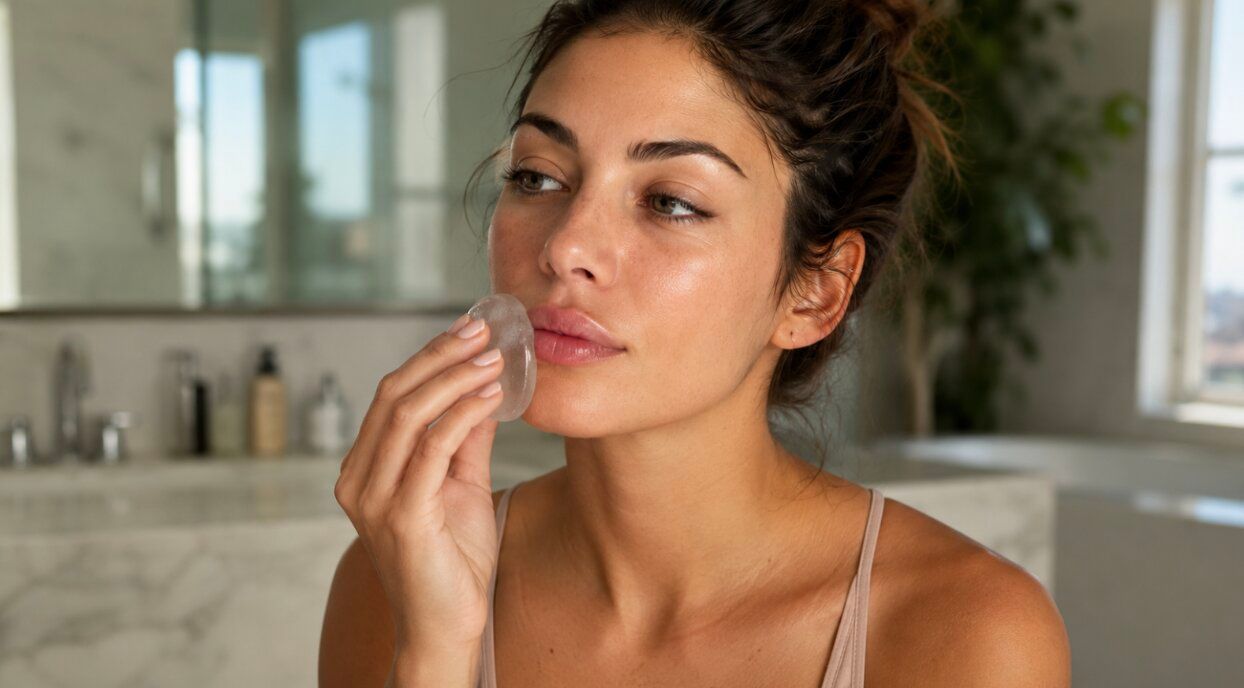
- Apply an ice pack gently for short periods
- Drink plenty of water to support hydration
- Sleep with your head slightly elevated
- Avoid pressing on the lips
- Keep the treatment area clean
- Follow your provider’s aftercare instructions carefully
Many patients in Columbus, GA, want to know when they will see the final results. In most cases, lips continue settling over the first one to two weeks after treatment.
The next several days are often more about what you avoid than what you add to your routine.
How to Reduce Swelling and Bruising Safely
Swelling and bruising are among the most common concerns after lip filler treatment. While these side effects often improve naturally with time, good aftercare habits may help support comfort during recovery.
| Aftercare Guidance | Why It Matters |
|---|---|
| Apply ice carefully | May help minimize swelling and tenderness |
| Stay hydrated | Supports tissue recovery and hydration |
| Sleep elevated | May reduce morning swelling |
| Avoid high temperatures | Heat can increase swelling and redness |
| Pause strenuous exercise | Increased blood flow may worsen bruising |
| Avoid smoking | Smoking may irritate healing tissue |
Apply Ice the Right Way
Using a cold compress or ice pack wrapped in a soft cloth may help reduce swelling after injections. Avoid placing ice directly on the lips for long periods.
Short sessions several times throughout the day are usually more comfortable than continuous icing.
Hydration Matters After Dermal Filler
Hyaluronic acid fillers attract and hold water. Staying hydrated may help support the lips as they heal after filler treatment.
This doesn't mean drinking extra water guarantees better results, but proper hydration remains part of healthy recovery after cosmetic procedures.
Some Bruising Is Still Possible
Even with careful aftercare, some bruising may still occur. The lips have a rich blood supply, which makes bruising fairly common after injections.
Research published through the National Library of Medicine discusses how bruising and swelling can occur after soft tissue filler procedures due to blood vessel involvement and tissue response.
Reducing irritation becomes especially important once the initial swelling phase begins to calm down.
What to Avoid After Getting Lip Fillers

Many lip filler aftercare tips focus on avoiding activities that increase blood flow, irritation, or pressure on the lips during early healing.
Avoid Strenuous Exercise for at Least 24 to 48 Hours
Exercise increases circulation and body temperature. For some patients, strenuous workouts can temporarily worsen swelling and bruising after filler injections.
it's often recommended to avoid:
- High-intensity workouts
- Heavy lifting
- Hot yoga
- Long cardio sessions
Light walking is generally fine unless your provider advises otherwise.
Avoid Heat and High Temperatures
Heat may increase inflammation during the first few days after treatment.
Try to avoid:
- Saunas
- Steam rooms
- Hot tubs
- Excessive sun exposure
- Very hot showers
This is especially important during the first 48 hours after treatment.
Avoid Alcohol and Smoking
Alcohol may increase bruising for some patients, especially during the first day or two after getting lip filler. Smoking may also irritate healing tissue and expose the lips to unnecessary pressure.
If you smoke, your provider may recommend avoiding smoking for at least several days after treatment.
Do Not Massage Your Lips Unless Instructed
Patients sometimes notice small lumps or uneven fullness early in the healing process and immediately want to massage the area.
Massage should only be done if your injector specifically recommends it. Pressing or aggressively massaging the lips too early may affect how the filler settles.
As swelling improves, most patients begin paying closer attention to how their lips look and feel day to day.
Caring for Your Lips During the Healing Process
Lip filler recovery is usually gradual. Some mornings may look more swollen than others, and mild asymmetry can temporarily shift as inflammation improves.
Patience matters during this stage.
Keep Your Lip Care Routine Simple
During early recovery, it's usually best to avoid harsh skincare products around the mouth area.
This may include avoiding:
- Exfoliating scrubs
- Strong acids
- Retinoids near the lips
- Aggressive facials
- Excessive rubbing or pressure
A gentle lip balm approved by your provider may help keep the lips comfortable while they heal.
Give the Filler Time to Settle
Lip filler often looks different throughout the healing process. Early fullness may soften slightly as swelling improves.
Research published through the National Library of Medicine explains that temporary tissue response after filler injections can affect appearance before final results become visible.
That is one reason experienced injectors often recommend waiting before evaluating the final shape of your lips.
Even when healing appears normal, it's still important to know when symptoms fall outside expected recovery.
When Swelling, Lumps, or Unevenness May Be Normal
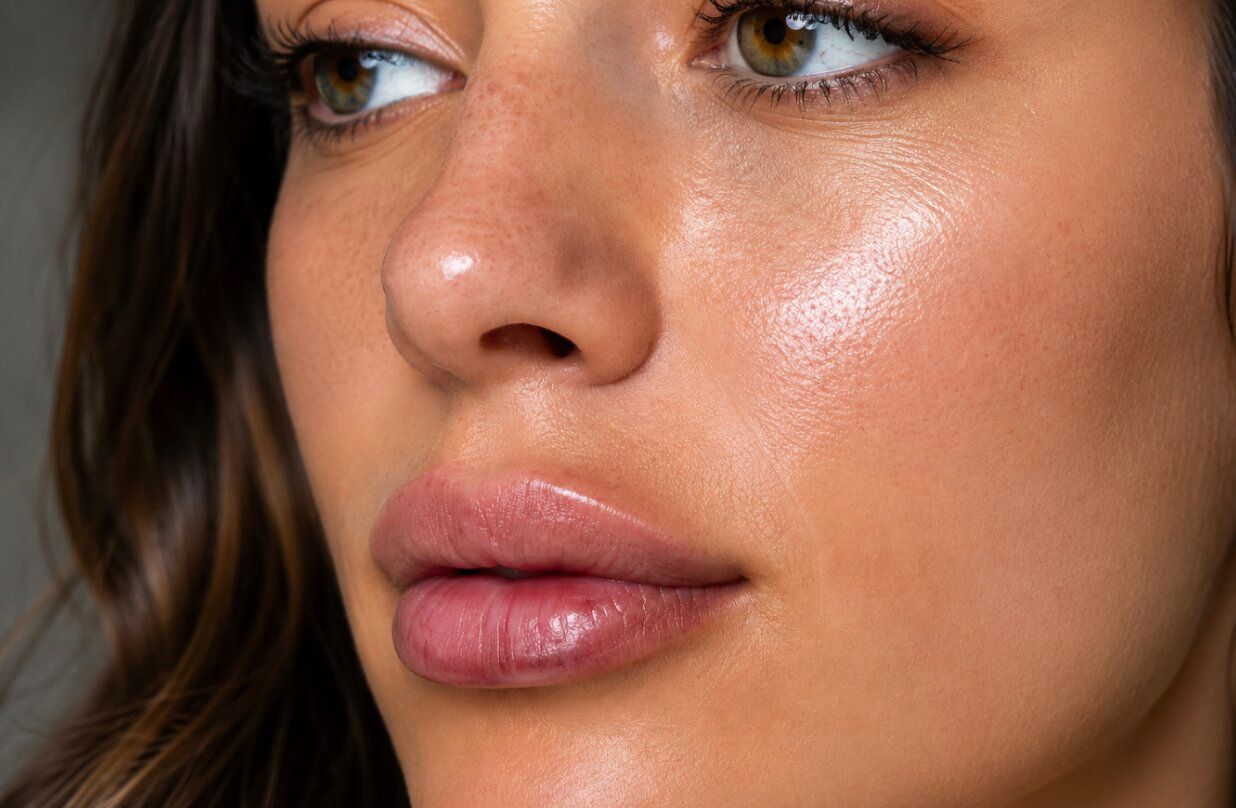
Small lumps, firmness, and uneven swelling can happen after lip filler injections. In many cases, these changes improve as the filler settles and swelling decreases.
Mild Irregularities Often Improve Over Time
Patients may notice:
- Uneven swelling
- Temporary firmness
- Mild asymmetry
- Small lumps near the injection site
- Areas that feel slightly tender
These effects often improve during the first one to two weeks after treatment.
Healing Can Vary From Person to Person
Several factors can affect the healing process, including:
- The type of filler used
- Amount of filler injected
- Individual healing response
- Previous filler treatments
- Heat exposure or exercise after treatment
Most hyaluronic acid lip fillers typically last between 6 and 12 months, although results vary by person and by product.
Knowing the difference between common swelling and unusual symptoms helps patients feel more confident during recovery.
When to Contact Your Provider After Lip Filler
Lip filler is considered minimally invasive, but no cosmetic injection treatment is completely free of risk. Serious complications are uncommon, but patients should still understand warning signs that require prompt medical attention.
Contact Your Provider if You Notice:
- Severe or worsening pain
- White, pale, or dusky skin discoloration
- Increasing warmth or redness
- Fever
- Blistering
- Significant worsening swelling
- Vision changes
Do not ignore symptoms that suddenly worsen instead of gradually improving.
At Selah Aesthetics and Wellness, patient education and safety remain part of every treatment plan. Clear communication before and after injections helps patients know what to expect during recovery.
Good aftercare starts with good treatment planning, and provider experience matters long before the first injection.
Why Provider Experience Matters for Lip Filler Aftercare in Columbus, GA
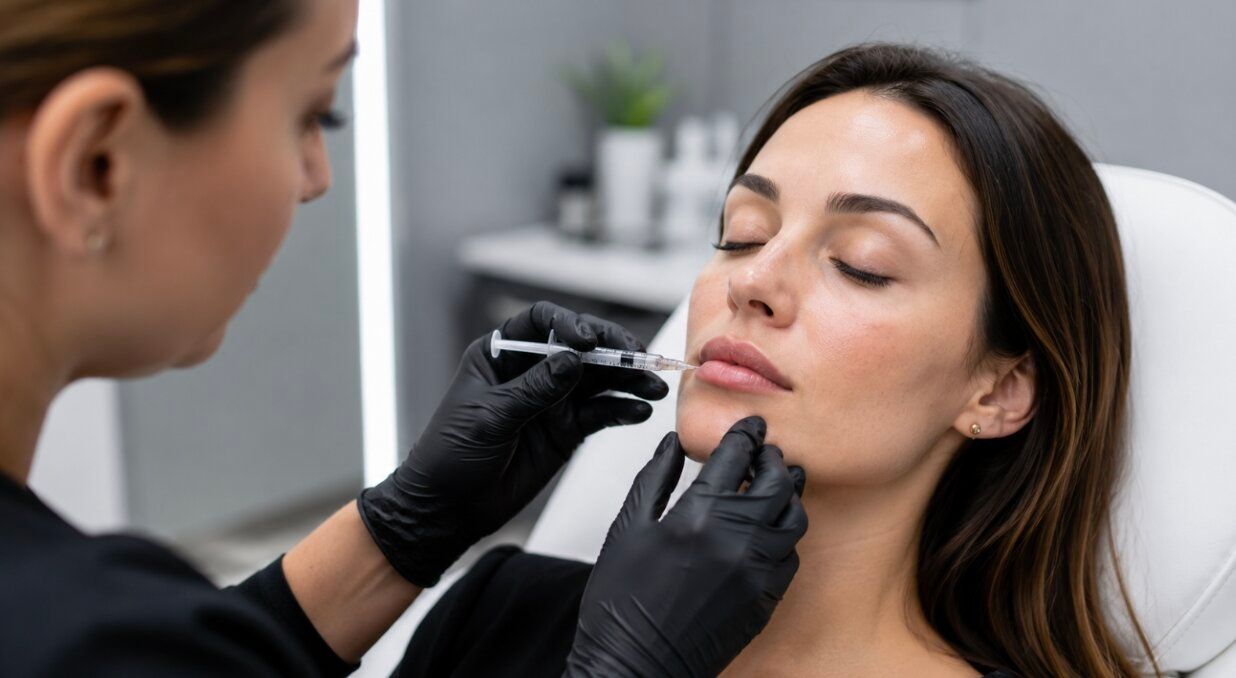
Natural-looking lip filler results depend on more than the filler itself. Injection technique, facial anatomy knowledge, conservative treatment planning, and proper aftercare guidance all matter.
At Selah Aesthetics and Wellness, treatment plans are designed around each patient’s features, comfort level, and goals. Many patients from Columbus, Midland, Fortson, Smiths Station, and nearby communities are looking for balanced results that still feel natural to them.
That often means starting conservatively, discussing realistic expectations, and building a treatment plan that fits your lifestyle and comfort level over time.
FAQs
1. How long does swelling last after lip filler aftercare begins?
Swelling is usually most noticeable during the first 24 to 48 hours after treatment. Mild swelling may continue for several days, depending on your healing process and the type of filler used.
2. Can I exercise after getting lip filler?
Most providers recommend avoiding strenuous exercise for at least 24 to 48 hours after lip filler injections because increased blood flow may worsen swelling or bruising.
3. Should I massage my lips after filler?
Only massage your lips if your injector specifically instructs you to do so. Pressing on the lips too early may affect how the filler settles.
4. What should I avoid during lip filler aftercare?
Common lip filler aftercare instructions include avoiding heat, strenuous exercise, alcohol, smoking, and unnecessary pressure on the lips during early healing.
5. When should I contact my provider after lip filler?
Contact your provider if you experience severe pain, unusual skin discoloration, fever, worsening swelling, or vision changes after treatment.
Lip Filler Aftercare Helps Support Smooth Healing
Lip filler aftercare doesn't need to feel complicated, but it should be taken seriously. Small choices during the first several days after treatment can help support comfort and allow the filler to settle more naturally.
Swelling, bruising, and tenderness are common after lip filler injections, especially during the first 24 to 48 hours. In many cases, these effects improve steadily with time.
If you're thinking about lip filler or want help deciding which treatment may fit your goals, the team at Selah Aesthetics and Wellness in Columbus can help you create a personalized treatment plan built around natural-looking results, comfort, and long-term care.
Book a consultation today.

Lauren Hodge, MSN, FNP-C, is a board-certified Family Nurse Practitioner and aesthetic injector in Columbus, GA, with advanced training in regenerative medicine and aesthetics. She combines her background in pediatrics, pain management, and orthopedics with a passion for natural results, helping patients look and feel their best.
Share This Blog