Is Neurotoxin Treatment Worth It: A Honest Guide

Editorial Team - MSN, FNP-C
Table of Contents
- What Neurotoxin Treatment Is and How It Works
- Neurotoxin Treatment Pros and Cons: What You Should Know
- How Long Does Botox Take to Work and What Results Look Like
- How Long Do Botox Injections Last and Maintenance Reality
- Neurotoxin Treatment Cost: Is the Investment Worth It?
- Alternatives to Neurotoxin Injections and When to Consider Them
- Is Neurotoxin Treatment Right for Your Goals and Budget?
- Frequently Asked Questions
Last Updated: October 19, 2026
What Neurotoxin Treatment Is and How It Works
Neurotoxin treatment is a minimally invasive procedure that uses botulinum toxin injections to relax facial muscles and reduce dynamic wrinkles. At Selah Aesthetics and Wellness, we help patients understand how it works before deciding if it's right for their goals.
Repeated contractions from frowning, smiling, or raising your eyebrows create wrinkles over time, especially on the forehead, between the brows (frown lines), and around the eyes (crow's feet). Neurotoxin injections block nerve signals to these muscles, preventing forceful contraction for smoother skin.
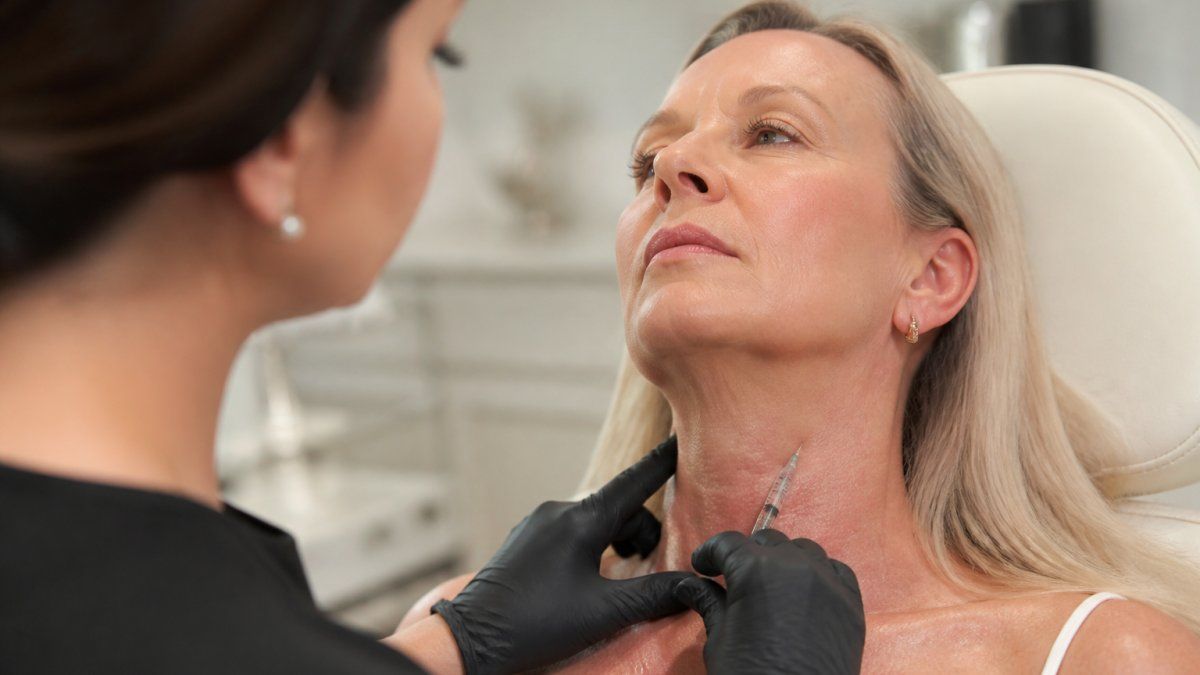
The treatment takes 10-15 minutes: a qualified practitioner injects small amounts of neurotoxin into specific facial muscles. It feels like quick pinches, and most patients return to normal activities immediately.
Neurotoxin Treatment Pros and Cons: What You Should Know
Weighing the realistic benefits and drawbacks helps you decide whether neurotoxin treatment aligns with your goals and budget.
Pros of neurotoxin treatment:
- Smooths dynamic wrinkles and expression lines effectively
- Non-surgical with no downtime or recovery period
- Results appear gradually, allowing you to adjust expectations
- Reversible over time as the neurotoxin wears off
- Can be combined with other treatments for enhanced facial balance
- Works well for preventative care in younger patients
- Relatively quick procedure (10-15 minutes)
Cons of neurotoxin treatment:
- Results are temporary and require repeat treatments every 3-4 months
- Ongoing cost adds up over time with maintenance
- Frozen appearance possible if overdosed or placed incorrectly
- Not effective for static wrinkles (lines visible at rest)
- Requires finding a qualified, experienced practitioner
- Mild side effects like bruising or temporary headache can occur
- Results take 3-7 days to appear, with full effect at 2 weeks
The biggest consideration: neurotoxin treatment is not a one-time fix but a maintenance commitment requiring repeat injections indefinitely.
How Long Does Botox Take to Work and What Results Look Like
Results from neurotoxin injections appear gradually over days and weeks, not immediately.

Timeline for neurotoxin treatment results:
- Days 1-3: Minimal visible change; mild bruising or swelling may appear
- Days 3-7: Subtle smoothing begins as muscles start to relax
- Days 7-14: Most noticeable improvement; wrinkles continue to soften
- Week 2-4: Full results appear as muscles reach maximum relaxation
Full results take approximately 2 weeks, though some see improvement by day 3. Variation depends on your metabolism, muscle mass, and how your body responds.
Refreshed results mean smoother forehead lines and softer crow's feet while maintaining natural expression: your eyebrows may appear slightly lifted, frown lines soften, and you can still move your face, smile, and show emotion.
The goal at Selah Aesthetics and Wellness is results that look "built, not overfilled": others notice you look refreshed but can't pinpoint exactly why.
How Long Do Botox Injections Last and Maintenance Reality
Understanding how long neurotoxin treatment lasts is critical to evaluating whether it's worth the investment long-term.
Neurotoxin injections typically last 3-4 months. Your body gradually metabolizes the neurotoxin, muscle contractions resume, and wrinkles slowly return to their pre-treatment appearance.
Maintenance reality:
Most patients need repeat treatments 3-4 times per year, each requiring scheduling, travel, and the procedure itself.
If you stop treatment, your muscles return to normal function within 2-3 months and wrinkles gradually reappear.
With repeated treatments over years, some patients notice results last slightly longer and wrinkles return less deeply because muscles become trained to contract less forcefully, though this varies.
Before starting neurotoxin treatment, honestly assess whether you're willing to commit to repeat injections indefinitely, accepting either returning wrinkles or the ongoing cost and scheduling.
Neurotoxin Treatment Cost: Is the Investment Worth It?
Whether neurotoxin treatment worth the investment is mostly a math question. The dollar figure depends on units, areas, product, and provider, so any clinic quoting a single flat price is guessing.
How neurotoxin is priced
Most practices price botulinum toxin one of three ways:
- Per unit. You pay for each unit of product injected. Unit counts vary by product and by area, so per-unit pricing is the most transparent way to compare providers.
- Per area. You pay a set fee for a defined treatment zone (for example, glabella, forehead, or crow's feet). Convenient, but the fee can hide how many units you actually receive.
- Per session or flat fee. A single price for the appointment regardless of dose. Easiest to budget, hardest to compare.
Ask which model a provider uses and how many units they expect to use on you; a provider who won't discuss units can't be comparison-shopped.
The variables that move your price
- Number of areas treated. Treating one zone (often the glabella, the vertical lines between the brows) costs less than treating forehead, glabella, and crow's feet together. A full upper-face treatment uses more product than a single targeted area.
- Muscle mass and anatomy. Stronger, larger muscles generally need more units for the same effect. Men often need more units than women for comparable results, and some patients simply have more dominant muscles.
- Product chosen. Different botulinum toxin products have different unit potencies and different per-unit prices, so a lower per-unit price does not automatically mean a lower total cost.
- Provider credentials and market. Board-certified physicians, nurse injectors, and med spas in higher-cost metro areas charge more than entry-level providers. That premium is partly what you are paying for: anatomy training, complication management, and consistency.
- Touch-ups. Some patients need a small two-week touch-up to balance asymmetry. Budget for the possibility even if you do not always need it.
Building your annual cost estimate
Neurotoxin results typically last about 3 to 4 months, so most patients treat 3 to 4 times per year. The total-cost-of-ownership formula is simple:
Annual cost = (cost per treatment) × (treatments per year) + (expected touch-up costs)
Run it with your own quote: multiply your per-treatment price by 3 and by 4 for your annual range, then by 5 and by 10 for the multi-year commitment. That ten-year number actually answers "is it worth it," because neurotoxin is a subscription, not a purchase. (Source: American Society of Plastic Surgeons' 2023 statistics)
A worked example (illustrative, not a quote)
If a provider quotes a per-treatment price for a three-area upper-face treatment and you treat four times a year, your annual cost is that price times four.
Questions to ask before you commit
- What is your per-unit price, and how many units do you expect to use on me?
- Is your quote per area or per unit, and does it include a two-week follow-up?
- How many treatments per year do patients like me typically need?
- What is your touch-up policy and cost?
- Are there financing or membership options, and do they actually save money or just spread the cost?
Is it worth the investment?
Neurotoxin is worth it financially if the annual cost fits comfortably in your discretionary spending, you accept that results fade and require repeat treatment, and the improvement is something you'd pay for again next year.
At Selah Aesthetics and Wellness, we quote per unit and tell you the expected unit count for your anatomy before you commit, so you can run the annual math yourself. For current pricing, schedule a consultation.
Alternatives to Neurotoxin Injections and When to Consider Them
The honest way to decide whether neurotoxin is worth it is to compare it with alternatives.
Fillers add volume rather than relax muscle.
Laser treatments and radiofrequency devices
These stimulate collagen and improve skin texture, pore size, and fine static lines, but don't relax muscle, so they won't stop a frown from creasing your glabella.
Chemical peels and microneedling
Both resurface the skin and improve tone and mild static lines, addressing skin rather than muscle.
Topical retinoids and vitamin C
These are the most affordable option and best-supported for long-term skin health and prevention of fine lines, though results are modest, gradual, and require daily consistency.
Prescription and professional skincare, and good sun protection
Daily broad-spectrum sunscreen is the highest-return anti-aging intervention available and costs far less than any injectable.
When neurotoxin wins
- Your lines are dynamic and appear mainly with expression.
- You want a non-surgical, no-downtime option.
- You are comfortable with repeat treatment every 3 to 4 months.
- You want to prevent lines from deepening over time.
When an alternative wins
- Your lines are static and visible at rest (fillers, lasers, or resurfacing may fit better).
- Volume loss or hollowing is the main concern (fillers).
- Skin texture and tone are the priority (lasers, peels, microneedling).
- Budget is tight or you want a one-time or low-frequency commitment (skincare, sunscreen, and a single resurfacing series).
- You want to avoid injectables entirely.
Combination is often the real answer
Is Neurotoxin Treatment Right for Your Goals and Budget?
Deciding whether neurotoxin treatment worth your investment requires honest assessment of your goals, expectations, and financial capacity.
Evaluate your goals:
Are you preventing wrinkles or reducing existing ones?
Set realistic expectations:
Neurotoxin smooths dynamic wrinkles but doesn't erase them: you'll look refreshed, not 20 years younger.
Assess your budget and commitment:
Calculate the true annual cost of maintenance, factoring in 4 appointments yearly plus any additional treatments.
Common objections answered:
Many patients worry about looking frozen. The key is an experienced injector using conservative dosing and precise placement; at Selah Aesthetics and Wellness, we prioritize natural-looking results that maintain your facial expressions.
Others fear looking "done." With proper technique, neurotoxin creates subtle improvement others notice without knowing why: refreshed, not obvious.
Some worry about becoming dependent. You're not dependent; you're choosing to maintain results through repeat treatments.
Deciding whether neurotoxin treatment fits your life means weighing real costs against genuine benefits.
Frequently Asked Questions
How long does it take for neurotoxin treatment to work?
Neurotoxin injections begin affecting facial muscles within 3-7 days, though most patients notice visible softening of dynamic wrinkles and expression lines after 10-14 days. Full results typically appear at 2-4 weeks as the botulinum toxin fully blocks nerve signals to the treated muscles. Results continue to improve slightly over this period.
How long do neurotoxin injections last?
Neurotoxin treatment results typically last 3-4 months. As your body metabolizes the botulinum toxin, muscle contractions gradually return and wrinkles begin to reappear. Most patients schedule repeat treatments every 12-16 weeks to maintain results. Some patients notice effects lasting slightly longer or shorter depending on metabolism and dose.
What are the main pros and cons of neurotoxin treatment?
Pros include visible reduction of forehead lines, frown lines, and crow's feet without surgery, quick appointments, and no downtime. Cons include the need for repeat treatments every 3-4 months, temporary side effects like mild bruising or headache, cost accumulation over time, and the risk of overdone results if not administered carefully by a qualified practitioner. Results are also temporary, stopping treatment allows wrinkles to return.
Is neurotoxin treatment safe?
Neurotoxin injections are considered safe when administered by a qualified healthcare professional. The FDA has approved botulinum toxin for cosmetic use, and clinical research supports its safety profile. Temporary side effects like swelling, bruising, or mild headache are common but resolve quickly. Serious adverse effects are rare. A thorough consultation with a qualified practitioner to discuss your medical history and contraindications is essential before treatment.

Lauren Hodge, MSN, FNP-C, is a board-certified Family Nurse Practitioner and aesthetic injector in Columbus, GA, with advanced training in regenerative medicine and aesthetics. She combines her background in pediatrics, pain management, and orthopedics with a passion for natural results, helping patients look and feel their best.
Share This Blog