Botox Without Looking Frozen: A Guide to Natural Results

Editorial Team - MSN, FNP-C
Table of Contents
- Why Botox Doesn't Have to Mean a Frozen Face
- How Botox Works on Facial Muscles
- Botox Dosage for Natural Results: Why Less Is More
- Botox Consultation Questions to Ask Your Injector
- Botox Before and After Natural Results: What to Look For
- Botox Duration: The Timeline From Injection to Wearing Off
- Safety, Side Effects, and When to Call Your Provider
- Frequently Asked Questions
Last Updated: October 16, 2026
Why Botox Doesn't Have to Mean a Frozen Face
Botox without looking frozen is possible when your injector treats specific muscles with conservative doses instead of blanking the whole upper face. The frozen look is not a side effect of the product itself. It comes from technique.
At Selah Aesthetics and Wellness, we see this every week. A patient walks in who had neurotoxin somewhere else and hated it. Her brow wouldn't move. Her forehead looked shiny and still. She wanted to look refreshed, not erased.
Here is the truth most guides skip: botulinum toxin is a muscle relaxant, and relaxation is dose-dependent. Treat too much muscle, and expression goes with the wrinkles. Treat the right spots with less, and you keep both.
Below, we'll show you exactly how to get results that look like you, only better rested. We'll cover dosing, consultation questions, timelines, and what to do if a previous treatment went too far.
How Botox Works on Facial Muscles
Botox is a purified botulinum toxin type A that blocks nerve signals to specific facial muscles. When those signals stop, the muscle can't contract, and the skin above it stops folding into lines.
The effect is temporary and local. It does not travel through your body or freeze your whole face. It relaxes only the muscle your injector selected.
That last point matters more than anything else . A skilled injector chooses muscles one at a time.
The Difference Between Dynamic and Static Wrinkles
Dynamic wrinkles are lines that appear only when you move: frown lines between the brows, forehead lines when you raise your eyebrows, crow's feet when you smile.
Static wrinkles are visible at rest. They form after years of repeated folding, and they may not fully smooth with neurotoxin alone.
This distinction shapes your whole treatment plan:
- Dynamic lines respond well to botulinum toxin
- Static lines often need skin resurfacing or collagen support alongside it
- Mixing up the two leads to disappointment, not better results
Botox Dosage for Natural Results: Why Less Is More
Botox dosage for natural results starts lower than most people expect. A conservative first treatment is the single best way to avoid a frozen look, because your injector can always add more at a follow-up.
Units are not a measure of quality. A high unit count does not mean a better result. It usually means a stiffer face.
Conservative Dosing and Targeted Placement
Think of dosing as a dial, not a switch. Start low, go slow.
- Start low. Treat the muscles that bother you most, not every muscle in the upper face.
- Go slow. Let the first round settle for two weeks before deciding on more.
- Target placement. Small, precise injections into the right muscle beat large doses spread across the area.
- Respect muscle strength. A strong forehead muscle needs a different plan than a weak one.
Botox Consultation Questions to Ask Your Injector
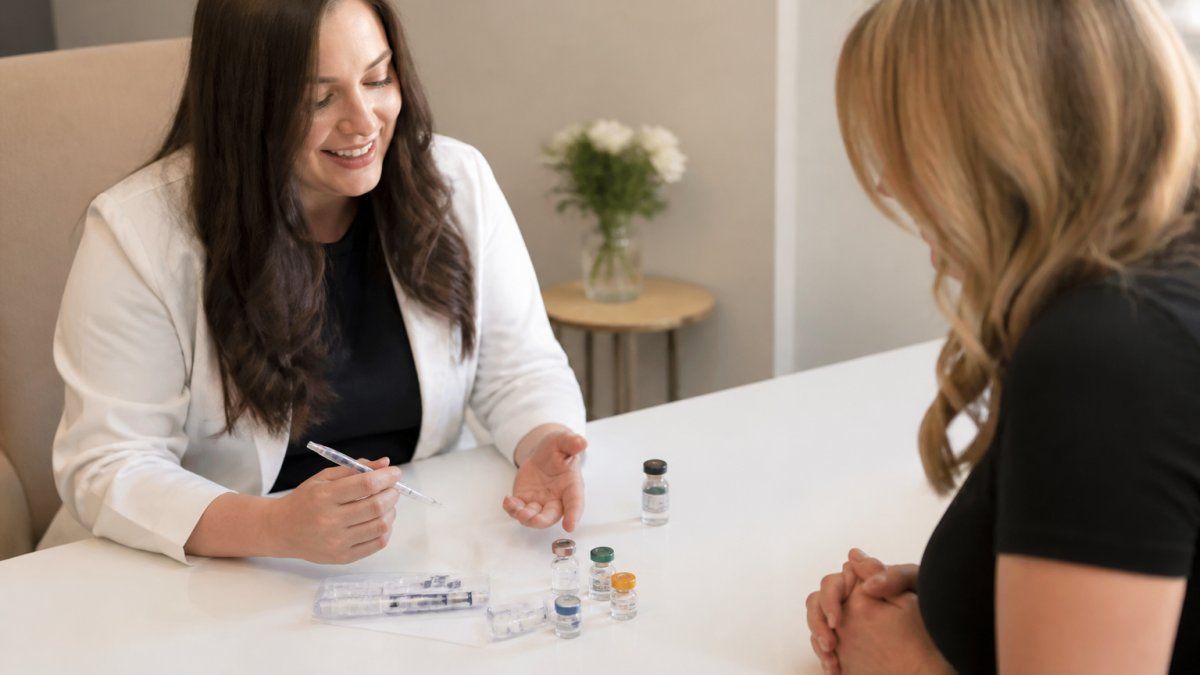
Botox consultation questions matter more than the brand of product used. The consult is where a natural result is won or lost.

Bring this checklist to your appointment:
- How many units do you plan for each area, and why?
- Which muscles will you treat, and which will you leave alone?
- What will my face look like at two weeks?
- What is your plan if I want more or less movement?
- How do you handle a follow-up if I'm not happy?
- What are my options if the result feels too strong?
- Are you licensed, and how much neurotoxin training have you completed?
What to Expect During a Facial Assessment
A real facial assessment looks at your face at rest and in motion. Your injector should ask you to frown, raise your brows, and smile. They should note asymmetry, brow position, and how strong each muscle is.
At Selah Aesthetics and Wellness, every patient starts with Selah Face Value, a head-to-toe consult that assesses bone, fat, muscle, and skin layer by layer. We do this because a face is assessed, not priced by the area.
Botox Before and After Natural Results: What to Look For
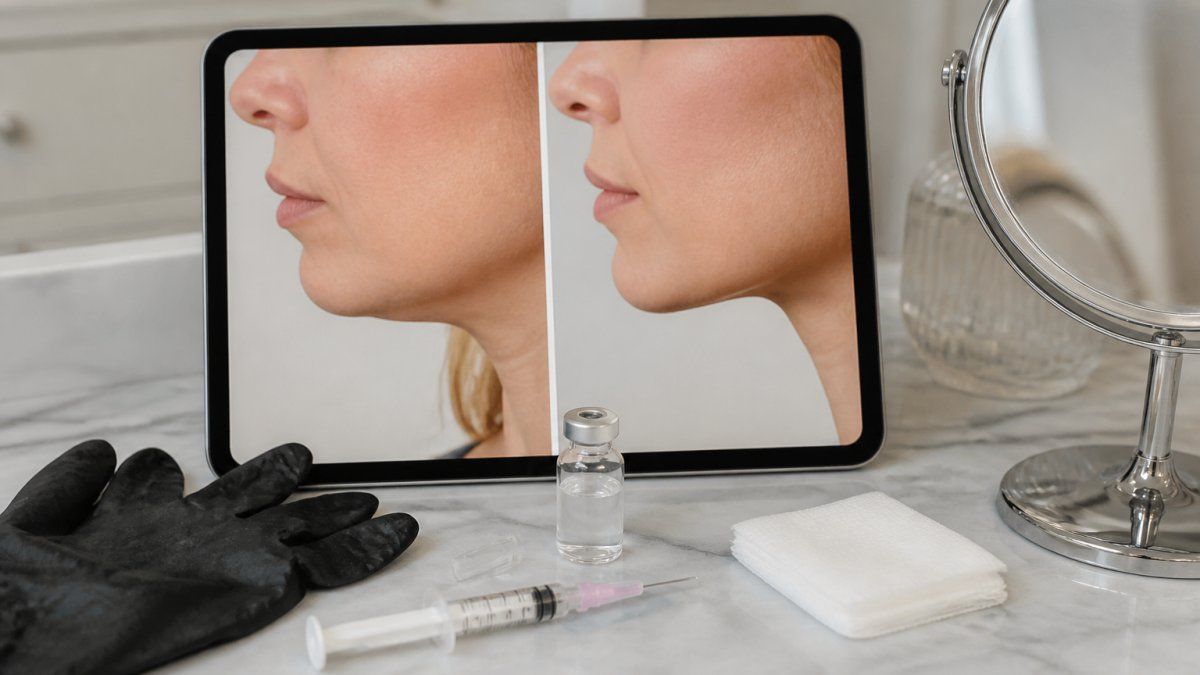
Botox before and after natural results share one trait: the person still looks like themselves. Good work is quiet. The challenge is that a curated portfolio can make almost any injector look skilled, so you need a way to read the images rather than just admire them.
How to Evaluate a Provider's Photo Portfolio
Most practices post their best three or four results. That is expected. What matters is whether the images let you judge the work honestly. Use these criteria when you scroll:
- Same expression. A true before-and-after shows the patient making the same face in both frames. If the "before" is at rest and the "after" is smiling, the comparison is meaningless.
- Same lighting and angle. Shadows hide a dropped brow. Overhead light flattens forehead lines. Ask yourself whether the two photos could have been taken in the same chair, minutes apart.
- Same time point. Results at day 3 are not results at day 14. Look for a stated follow-up window, ideally two weeks or later, when the neurotoxin has fully settled.
- Movement, not just stillness. The most useful portfolios include a raised-brow or frown photo, not only a resting face. A frozen result can look great at rest.
- Variety of faces. If every patient has the same arched brow and lifted tail, the injector may be applying one template rather than planning per face.
Signs a Result Is Natural, Not Frozen
When you look at a well-executed result, you should be able to spot these markers:
- The brow still moves, just less
- Forehead lines soften without going flat
- The eyes look open, not heavy
- The inner brow keeps a slight resting position rather than pulling straight up
- The face looks rested, not expressionless
Questions to Ask When You Review Photos
Bring two or three specific questions to your consult rather than a general "do you do natural work?" Try:
- Can you show me a patient with a similar brow position to mine?
- How many units did this patient receive, and in which muscles?
- How long after treatment was this photo taken?
- Do you have a photo of this same patient at two weeks and at three months?
An injector who can answer these is tracking outcomes, not just collecting pretty pictures. That habit usually carries into your own treatment plan.
Botox Duration: The Timeline From Injection to Wearing Off
Botox duration runs roughly three to four months for most people, though it varies with dose, muscle strength, and how your body responds.
Here is the realistic timeline:
| Stage | Timeframe | What Happens |
|---|---|---|
| Injection day | Day 0 | Tiny bumps at injection sites, gone within hours |
| Onset | Days 2-5 | Movement starts to soften |
| Full effect | Days 10-14 | Final result is visible |
| Follow-up window | Weeks 2-3 | Best time to adjust if needed |
| Fading begins | Month 3 | Movement returns gradually |
| Full return | Months 4-6 | Lines and movement come back |
What to Do If Results Feel Too Frozen or Uneven
If your result feels too frozen, call your provider. Do not wait it out silently.
A few options exist depending on timing:
- If it is very early, your provider may be able to adjust your plan for next time
- If one side looks different, a small touch-up can often balance it
- If a brow feels heavy, your provider can assess whether it is dose-related or placement-related
Most importantly, this is information, not failure. Your next treatment plan gets sharper because of it.
Safety, Side Effects, and When to Call Your Provider
Botox is well studied and widely used, but it is not risk-free. Common effects include mild bruising, tenderness, and a brief headache. These usually settle within days.
Rare but real risks include:
- Droopy eyelid or brow
- Uneven smile
- Temporary weakness in nearby muscles
Call your provider right away if you notice trouble breathing, trouble swallowing, or widespread muscle weakness. The FDA safety information on botulinum toxin lists these as signs to seek medical care.
Skip lying down for a few hours after treatment and avoid rubbing the area, per your provider's instructions. Tell your injector about any muscle or nerve condition, pregnancy, or medications before treatment.
Frequently Asked Questions
Is it normal to have a frozen face after Botox injections?
A completely frozen face is not the goal of a well-planned Botox treatment. It usually happens when too many units are used or the neurotoxin spreads to muscles that control expression. A qualified injector targets specific muscles with conservative dosing so you can still raise your brows, smile, and show surprise. If you feel overly frozen, contact your provider. In some cases, a follow-up appointment can help adjust the result.
How long does Botox last, and when will I see results?
Botox duration varies by person, but most people notice the onset of results within 3 to 7 days, with full effects appearing around 14 days. Results typically last 3 to 4 months. Factors like muscle strength, dose, and your individual metabolism affect how long it lasts. Your first treatment may wear off faster as your muscles adjust. Scheduling follow-up appointments every 3 to 4 months helps maintain consistent, natural-looking results.
What should I tell my injector if I want subtle Botox results?
Be specific about your treatment goals. Say you want to look refreshed, not frozen, and that preserving facial movement matters to you. Ask about conservative dosing and whether a lower starting dose makes sense. Bring photos of expressions you want to keep. A good injector will assess your facial anatomy and muscle strength, then create an individualized treatment plan. At Selah Aesthetics and Wellness, every patient starts with a full facial assessment before any injection.
Can I still make facial expressions after Botox?
Yes. When Botox is placed correctly and dosed conservatively, you retain natural facial movement. The goal is to soften dynamic wrinkles and expression lines without eliminating muscle contraction entirely. You should still be able to smile, frown, and raise your eyebrows. If you cannot make any expression at all, that suggests over-treatment. A skilled injector understands facial anatomy and targets only the muscles responsible for the lines you want to soften.
A frozen face is not the price of smoother skin. It is the result of a plan that treated too much, too fast, with too little thought about your anatomy. At Selah Aesthetics and Wellness, we do expensive faces: built, not overfilled, refreshed, never done. We start every patient with a full facial assessment, plan conservative doses, and tell you honestly when a treatment isn't right for you. Book a consultation and get a plan designed around your face, not a template.

Lauren Hodge, MSN, FNP-C, is a board-certified Family Nurse Practitioner and aesthetic injector in Columbus, GA, with advanced training in regenerative medicine and aesthetics. She combines her background in pediatrics, pain management, and orthopedics with a passion for natural results, helping patients look and feel their best.
Share This Blog