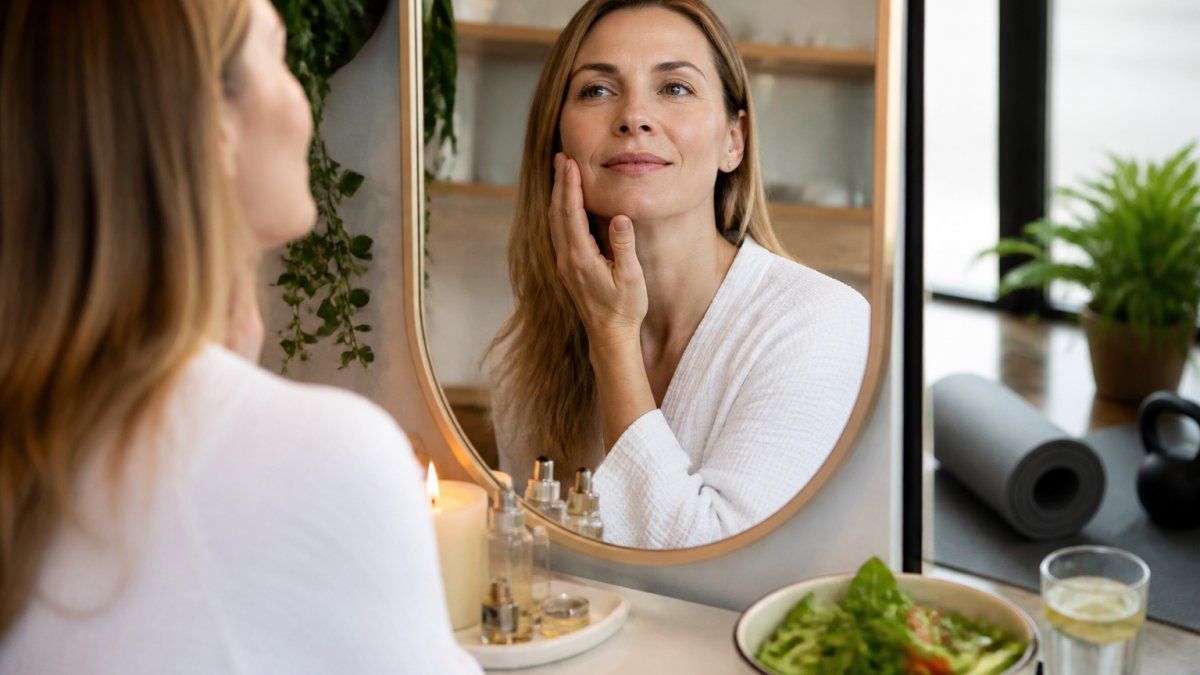
Refreshed, Confident Look With Integrated Wellness Care

Editorial Team - MSN, FNP-C
Table of Contents
- Why Integrated Wellness Care Changes How You Look and Feel
- How to Look Refreshed Without Looking Overdone
- Natural-Looking Facial Balancing: The Layer-by-Layer Approach
- Facial Balancing Treatment Options That Fit Your Goals
- Questions to Ask an Aesthetic Provider Before You Commit
- Measuring Progress Beyond the Mirror: Confidence and Well-Being
- Conclusion
- Frequently Asked Questions
Last Updated: October 21, 2026
Why Integrated Wellness Care Changes How You Look and Feel
Integrated wellness care is a coordinated approach that combines aesthetic treatments with whole-person health support, including hormone balance, nutrition, stress management, and skin health. At Selah Aesthetics and Wellness, we treat the face as part of the body, not a separate project. That distinction matters more than most people expect.
Skin, muscle tone, energy, and mood all respond to what happens beneath the surface. Poor sleep, shifting hormones, and chronic stress show up on the face first. Aesthetic treatments can address what you see. Integrated wellness care addresses why you see it.
The benefits stack up quickly:
- Healthier skin from better nutrition and hormone balance
- Steadier energy and mood
- Results that last longer between treatments
- A personalized treatment plan that fits your goals
- A confidence boost that feels earned, not borrowed
The Office on Women's Health guidance on preventive care makes a simple point: preventive habits shape long-term health. Your appearance follows the same logic.

How to Look Refreshed Without Looking Overdone
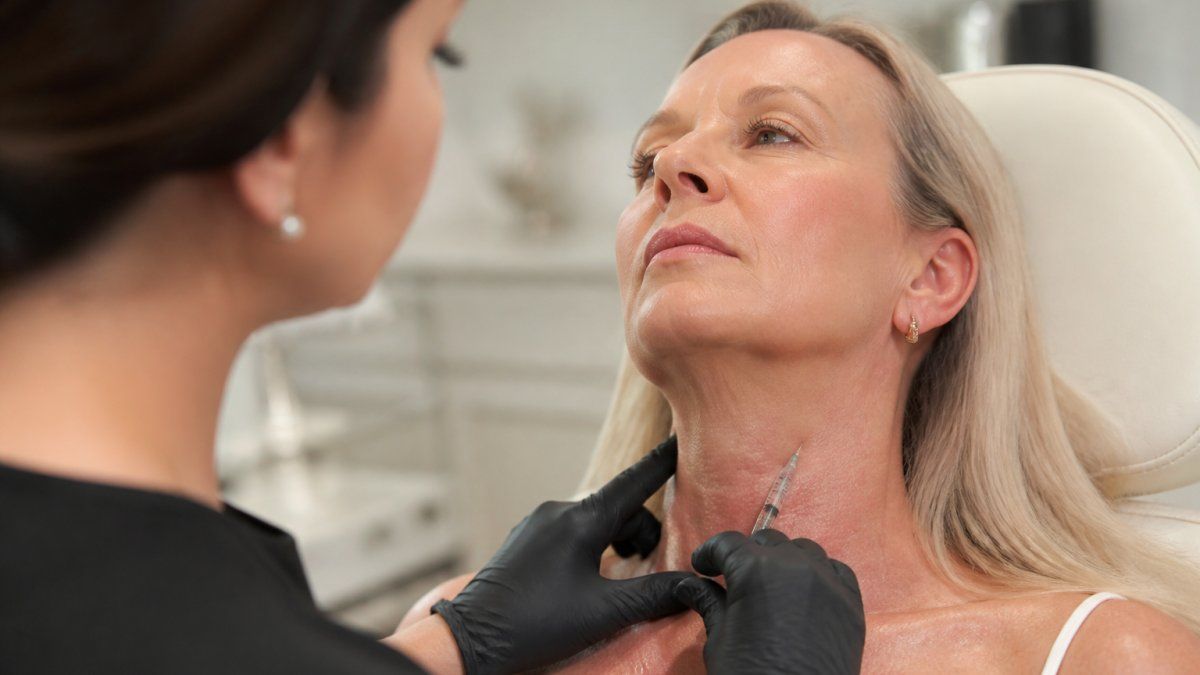
The ideal refreshed look comes from restoring balance, not adding volume. Most "overdone" results trace back to treating every area the same way, with the same product, in the same amount.
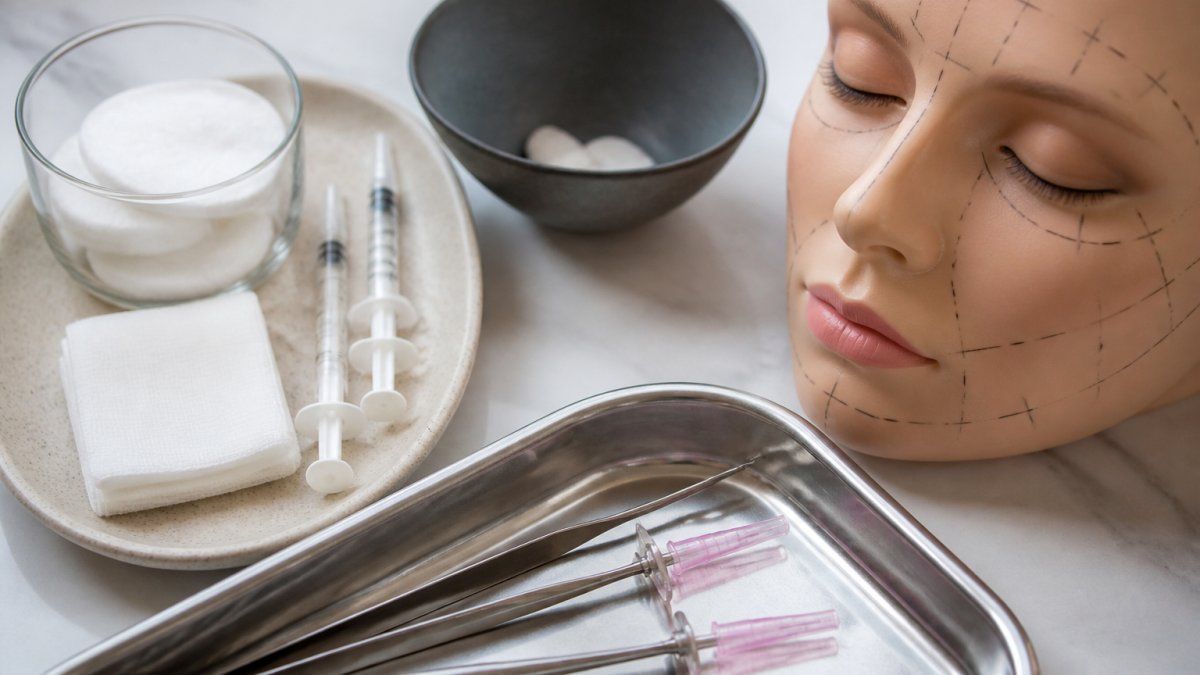
A common mistake is chasing a single treatment. Real facial balancing starts with assessment: bone support, fat distribution, muscle movement, and skin quality. Each layer needs a different approach.
Here is how we think about it at Selah Aesthetics and Wellness:
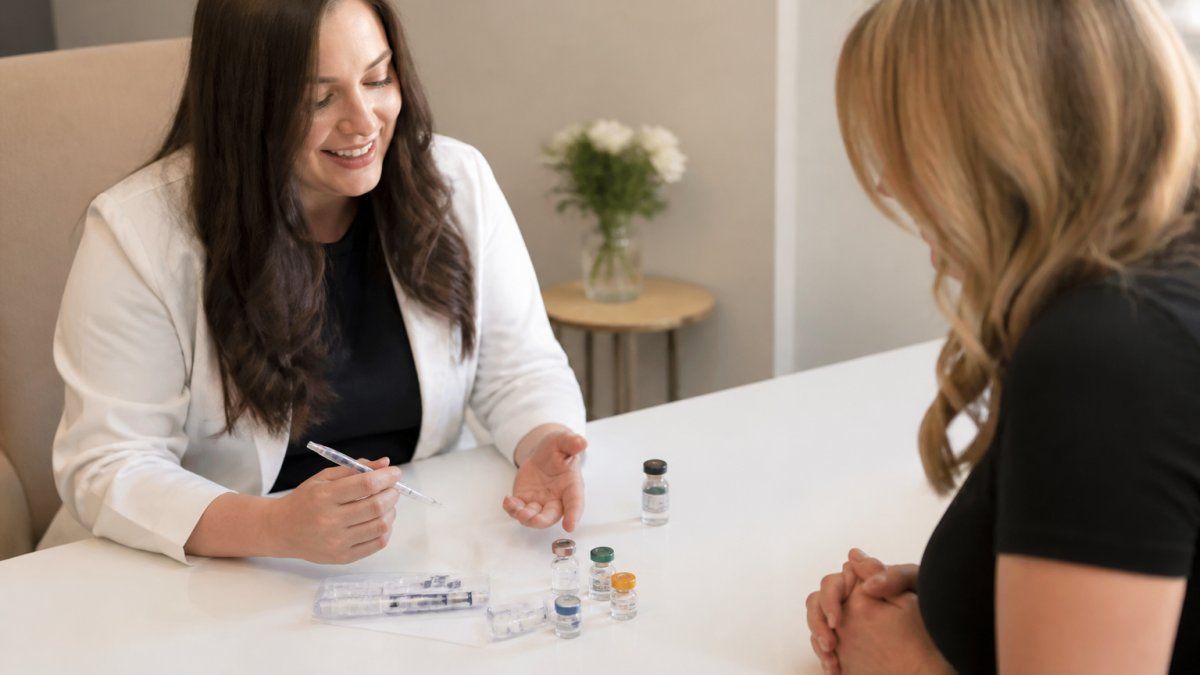
- Assess first. Every patient starts with Selah Face Value, a head-to-toe consult with AURA facial analysis.
- Restore support before volume. Weak bone and fat pads create shadows that filler alone cannot fix.
- Respect movement. Conservative neurotoxin dosing keeps expression intact.
- Improve skin quality. Lasers, Morpheus8, and Radiesse support collagen over time.
- Say no when a treatment is not right. Judgment before technology.
The goal is simple: they'll notice. They won't know why.
Natural-Looking Facial Balancing: The Layer-by-Layer Approach
Natural-looking facial balancing is the practice of treating each structural layer of the face in the right order, so results look built rather than filled. A face is assessed, not priced by the area.
We work through four layers:
- Bone. Structural support frames everything above it.
- Fat. Volume loss creates hollows and shadows.
- Muscle. Movement patterns shape lines and asymmetry.
- Skin. Texture, tone, and collagen quality finish the result.
Skipping a layer is where results go wrong. Adding filler to a face that needs structural support creates heaviness. Treating skin without addressing volume leaves shadows in place.
Facial Balancing Treatment Options That Fit Your Goals
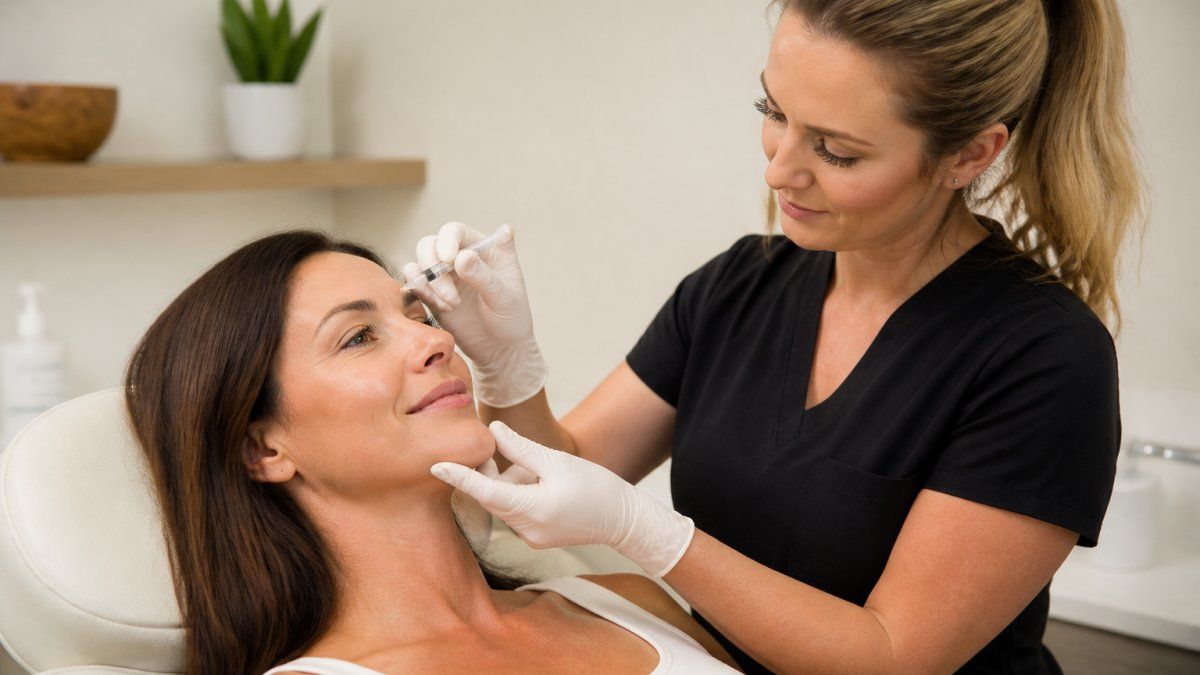
Facial balancing treatment options range from neuromodulators and dermal filler to regenerative treatments like Radiesse and energy-based devices like Morpheus8. The right mix depends on your anatomy, goals, and how much downtime you can accept, not on a menu. Below is how each category actually works, who tends to be a good candidate, and what maintenance typically looks like.
| Goal | Option Type | Mechanism | Typical Downtime | Typical Maintenance Cadence |
|---|---|---|---|---|
| Soften expression lines | Neuromodulators (botulinum toxin type A) | Temporarily reduces signal to treated muscles | None to a few hours of redness | Every 3-4 months |
| Restore structure | Hyaluronic acid dermal filler | Adds volume and contour to specific planes | 24-72 hours of swelling or bruising | Every 6-18 months, depending on product and site |
| Improve skin quality | Radiesse (calcium hydroxylapatite) | Stimulates collagen; adds structural support | 1-3 days of swelling | Often 12-18 months |
| Improve skin quality | Morpheus8 (radiofrequency microneedling) | Delivers heat below the surface to remodel collagen | 2-5 days of redness and mild swelling | Series of 3, then annual touch-ups |
| Refine tone and pigment | Pico, CO2 laser, IPL | Targets pigment and texture through light or heat | 1-7 days depending on device intensity | Series of 3-6, then seasonal maintenance |
| Support hormones and energy | Bioidentical hormone replacement therapy (HRT) | Restores hormone levels under clinician supervision | None | Ongoing, with periodic lab review |
A few practical notes that most menus skip:
- Neuromodulators are not a substitute for structure. If hollows and shadows come from volume loss, relaxing the muscle above them can make the shadow more obvious, not less.
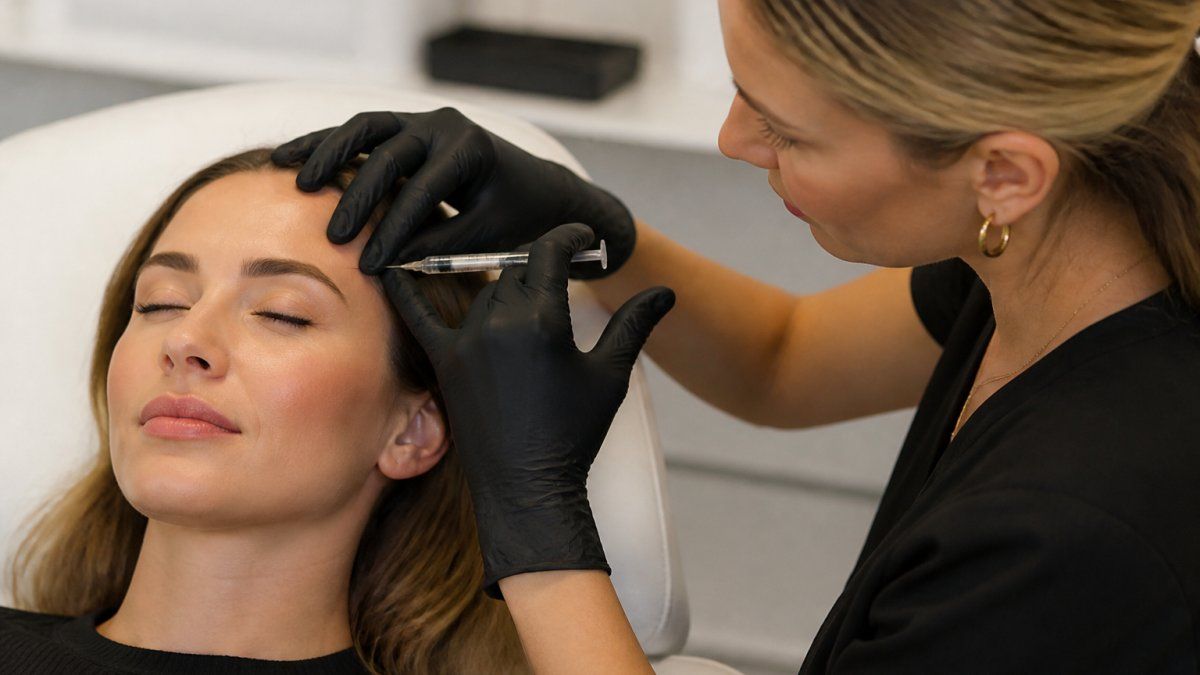
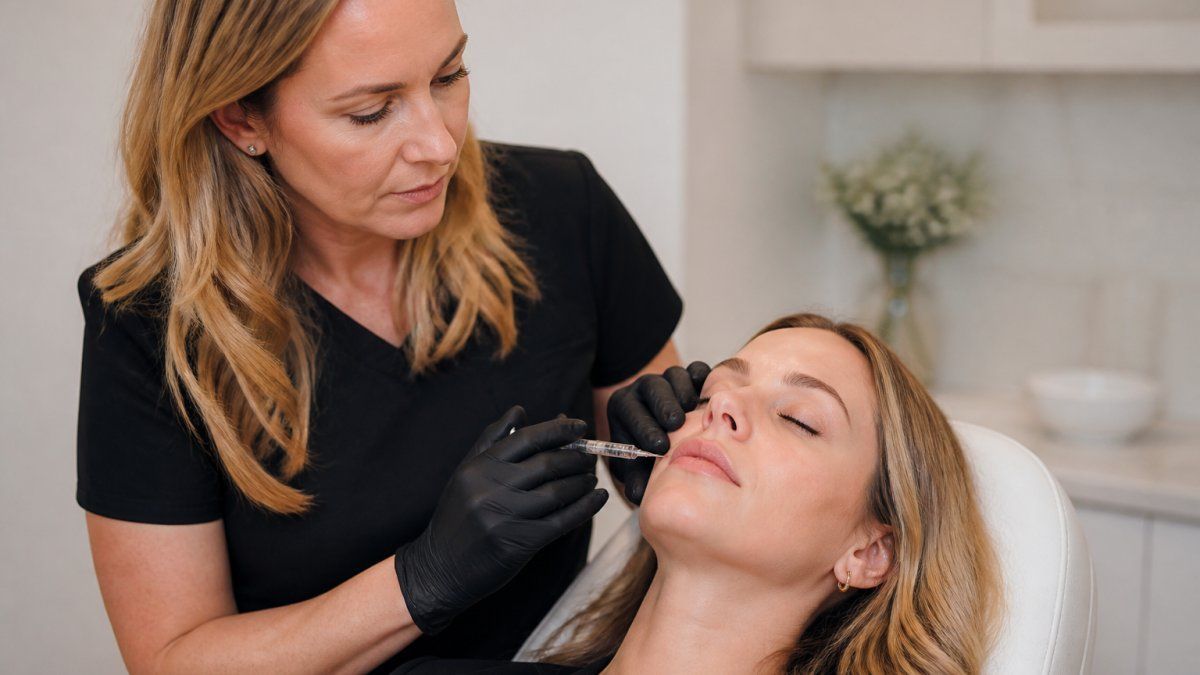
- Filler is site-specific. A product placed deep on the cheekbone behaves differently than the same product placed superficially near the tear trough. Ask which plane is being treated and why.
- Energy devices need a series. A single Morpheus8 or laser session rarely delivers the final result; collagen remodeling continues for weeks after each treatment, and the plan usually calls for a series followed by annual maintenance.
- Regenerative and hormone options require medical oversight. Bioidentical HRT is a prescription decision, not a spa add-on, and it should be coordinated with your primary care clinician. (Source: consumer interest in aesthetic procedures)
Non-invasive and minimally invasive treatments can deliver meaningful change without surgery. They also have limits, and honest providers will tell you where those limits sit, for example, significant skin laxity or structural descent often needs surgical evaluation rather than more filler.
Cost and prioritization. Pricing depends on your personalized treatment plan, and we do not quote by the area because a face is not a set of separate parts. As a general planning framework, most patients find that a staged approach, addressing structure first, then skin quality, then maintenance, spreads cost over time and avoids paying for treatments that will be undone by an unaddressed layer. Ask for a written plan that separates one-time series costs from ongoing maintenance costs so you can budget realistically. Contact us for current pricing after your consult.
Questions to Ask an Aesthetic Provider Before You Commit
The best questions to ask an aesthetic provider cover assessment, risks, cost, and honesty. A good consult feels like medicine, not a sales pitch.
Bring this list:
- How do you assess my face beyond the area I'm asking about?
- What are the realistic outcomes, and what are the risks?
- How long will results last, and what maintenance does that require?
- What happens if I am not a candidate for what I'm asking for?
- Who performs the treatment, and what are their credentials?
- What is the total cost, including follow-up?
- Will you tell me if I don't need something?
That last question matters most. A provider who says no when a treatment isn't right is protecting you, not losing a sale.
Measuring Progress Beyond the Mirror: Confidence and Well-Being
Progress in aesthetic wellness care shows up in how you feel, not just how you look, but "feeling better" is hard to act on unless you define it. The practical move is to pair appearance tracking with simple, repeatable measures of confidence, satisfaction, and daily function, reviewed at each follow-up.
What to track, and how.
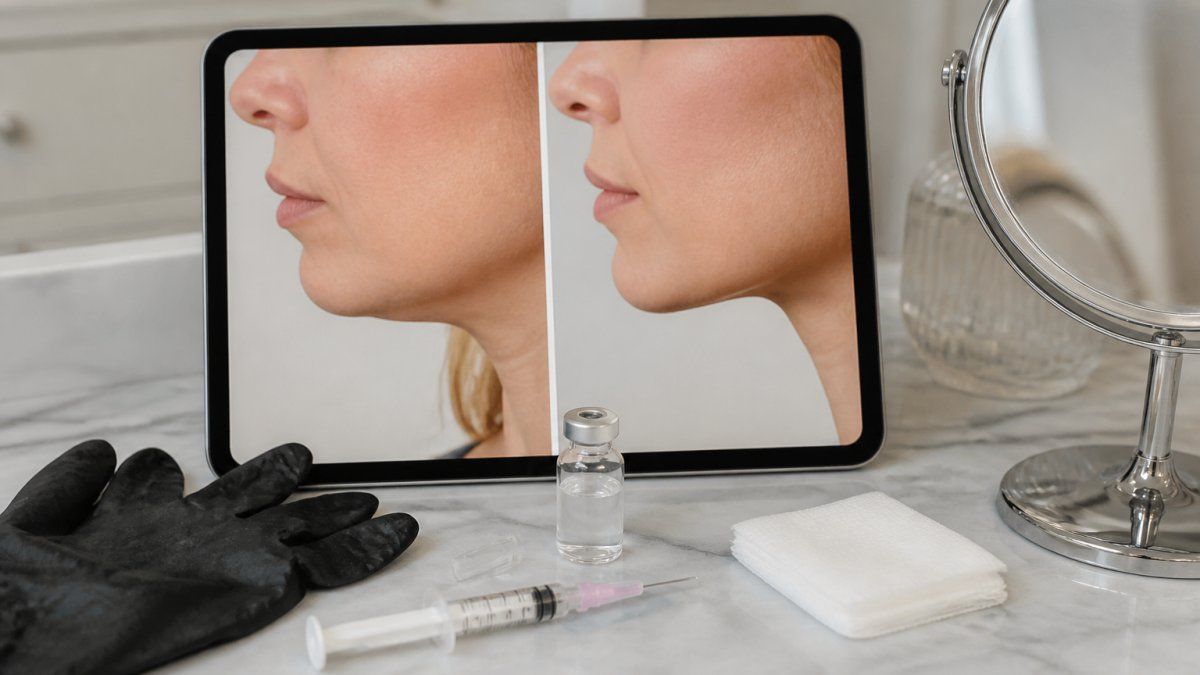
- Appearance, standardized. Compare photos every 90 days under the same lighting, angle, and camera. Consistency matters more than frequency; monthly photos under different conditions create noise, not signal.
- Confidence, scored. Rate your confidence in a specific situation (a meeting, a photo, a social event) on a 1-10 scale before treatment and at each follow-up. A single number is crude, but a trend over 6-12 months is useful and easy to discuss with your provider.
- Satisfaction with specific features. Rather than "do I like my face," rate the features you named as goals, under-eye shadows, jawline definition, skin tone, separately. This prevents one disappointing area from masking progress elsewhere.
- Daily function and well-being. Note sleep quality, energy, and how often you avoid photos or social situations. These are the quality-of-life signals that aesthetic outcomes are supposed to serve.
- Clinical markers where relevant. If hormone support is part of your plan, review lab values with your clinician on the schedule they set, typically every 3-6 months during adjustment, then less often once stable.
Separating treatment effect from everything else. Sleep, stress, nutrition, and hormones all move the same dials. A common pattern is to change several things at once and then attribute the result to the most expensive intervention. If you want to know what is working, change one variable per cycle where possible, and give each change enough time, usually 8-12 weeks for skin quality and collagen remodeling, longer for hormone adjustment.
Realistic timelines. Neuromodulators show effect within days and peak around two weeks. Filler results are visible immediately but settle over 2-4 weeks as swelling resolves. Collagen-stimulating treatments like Radiesse and Morpheus8 continue to improve for 8-12 weeks and sometimes longer. Judging any of these at 72 hours is judging the wrong thing.
When progress stalls. If your scores are flat after a full cycle, the honest answer may be that the plan needs revision, a different layer addressed, a maintenance interval shortened, or a goal reframed. That conversation is part of care, not a failure of it.
The FDA guidance on medical devices and aesthetic treatments reminds patients that outcomes vary and that understanding risks is part of informed consent. Realistic expectations protect you, and measurable expectations make the follow-up conversation more useful.
Conclusion
Looking refreshed and confident is not about doing more. It is about doing the right things, in the right order, with a provider who tells you the truth. That is the core of integrated wellness care, and it is how we practice at Selah Aesthetics and Wellness. Every patient starts with Selah Face Value, a full assessment with AURA facial analysis, and a personalized plan built around their goals. We combine facial balancing, regenerative treatments like Radiesse and Morpheus8, and hormone and wellness support under one roof. Get started with Selah Aesthetics and Wellness and book a consultation to build a plan that looks like you, only better maintained.
Frequently Asked Questions
What does integrated wellness care include?
Integrated wellness care combines aesthetic treatments with functional medicine to address both how you look and how you feel. At a practice like Selah Aesthetics and Wellness, this can include facial balancing, skin rejuvenation, hormone therapy, and weight management support, all coordinated into one personalized treatment plan. The goal is whole-person care rather than isolated procedures, so your provider considers skin health, nutrition, stress management, and hormonal factors together.
How can I look refreshed without looking overdone?
The key is a conservative, layer-by-layer approach guided by a thorough consultation. Rather than treating individual areas in isolation, a skilled provider assesses bone, fat, muscle, and skin to create natural-looking facial balancing. Techniques like hyperdilute Radiesse and Morpheus8 support collagen production for a refreshed appearance over time. Ask your provider to prioritize subtle enhancement and to explain how each treatment contributes to a balanced, built result rather than an overfilled one.
What should I ask a provider before choosing an aesthetic treatment?
Ask about the provider's credentials, training, and board certifications. Request a detailed explanation of the recommended facial balancing treatment options, including risks, recovery, and realistic outcomes. Ask how progress will be measured beyond appearance and whether the provider coordinates aesthetic care with medical or functional health. A trustworthy provider will welcome questions, offer a personalized treatment plan, and tell you when a treatment is not right for you.
Can medical aesthetics support broader wellness goals?
Yes, when integrated thoughtfully. Medical aesthetics can improve confidence and self-image, which often supports mental and emotional well-being. Pairing aesthetic treatments with functional medicine, such as hormone therapy or weight management, addresses underlying factors that affect skin health and healthy aging. The result is a more coordinated approach to your wellness goals, though aesthetic treatment should not be presented as a guarantee of wellness. A consultation helps determine what combination makes sense for your individual needs.

Lauren Hodge, MSN, FNP-C, is a board-certified Family Nurse Practitioner and aesthetic injector in Columbus, GA, with advanced training in regenerative medicine and aesthetics. She combines her background in pediatrics, pain management, and orthopedics with a passion for natural results, helping patients look and feel their best.
Share This Blog