Can Botox Help Turkey Neck? What to Know

Editorial Team - MSN, FNP-C
Table of Contents
- What Is Turkey Neck and What Causes It
- How Botox Works on the Platysma Muscle
- Botox for Platysmal Bands: Can It Smooth Vertical Neck Lines
- Botox for Loose Neck Skin: What It Can and Cannot Do
- Neck Botox Results and Duration: Timeline and Maintenance
- Botox vs. Neck Lift: Which Option Is Right for You
- Risks, Aftercare, and What to Expect During Treatment
- Is Botox the Right Choice for Your Neck Concerns
- Frequently Asked Questions
Last Updated: October 21, 2026
What Is Turkey Neck and What Causes It
Turkey neck is loose, sagging skin on the neck and jawline that creates vertical bands or horizontal creases. It's one of the most common signs of aging, yet many people feel uncertain about their treatment options, wondering if can botox help turkey neck. (Source: the American Society of Plastic Surgeons' statistics)
The neck ages differently than the face. Skin there is thinner and has fewer oil glands, so it shows wrinkles and sagging faster. Sun damage compounds the problem over decades.
Two main causes drive turkey neck:
Muscle-related bands: The platysma muscle runs vertically down the front of the neck. As you age, this muscle contracts and separates, creating visible vertical bands. These bands are muscle activity, not loose skin.
Loose skin: Years of sun exposure, loss of collagen, and gravity cause the skin itself to sag. This type of loose skin hangs rather than clings to the neck.
Many people have both issues at once. Understanding which one you have matters because it changes your treatment options. Muscle bands respond well to certain treatments.
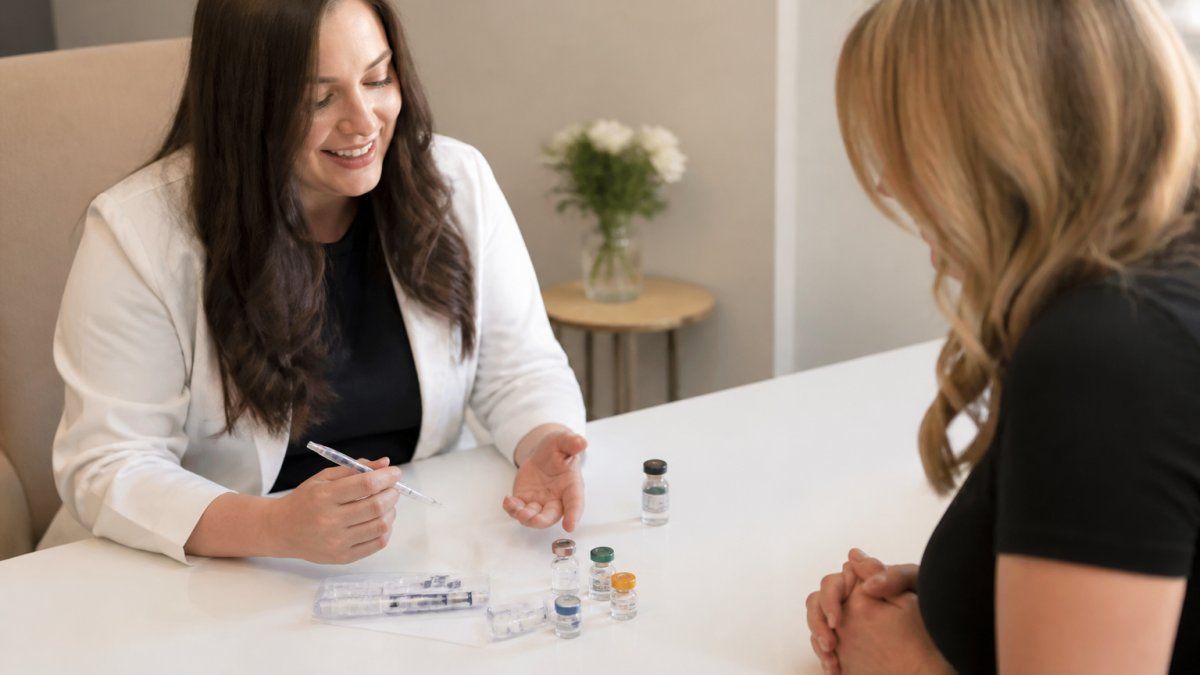
At Selah Aesthetics and Wellness, we assess the neck layer by layer, bone, muscle, fat, and skin, during your consultation. This determines what can actually help your specific concerns.
How Botox Works on the Platysma Muscle
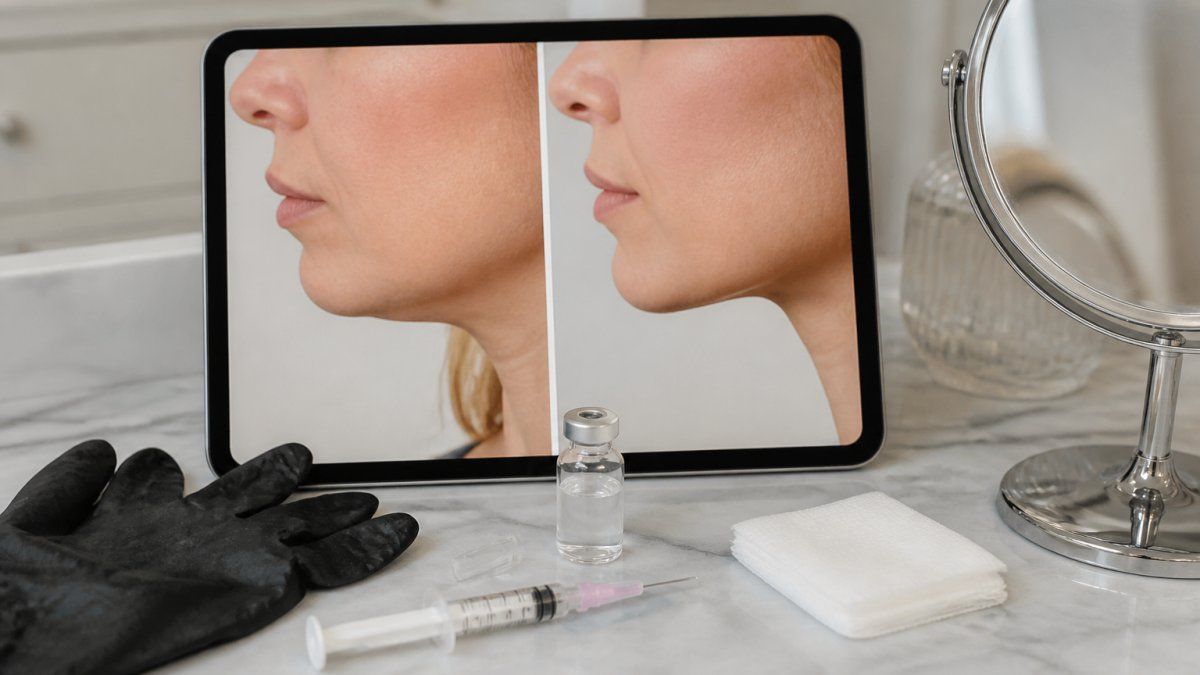
Botox relaxes the platysma muscle by blocking the signals that tell it to contract. When the muscle stops pulling downward and inward, the vertical bands soften and become less visible.
The platysma is unique because it's the only facial muscle that extends down the neck. When it contracts repeatedly over decades, it deepens those vertical bands. Botox stops that contraction.
Here's what happens:
- Botox blocks acetylcholine, the chemical messenger between nerve and muscle
- The platysma relaxes over 3-7 days
- Bands soften as the muscle stops pulling
- Results peak around 2 weeks

The injection sites matter. A qualified injector places units strategically along the muscle bands to smooth them without creating an unnatural appearance.
Botox for the platysma is not a one-size-fits-all treatment. The dose depends on how prominent your bands are and how much relaxation you want. Some people prefer subtle softening. Others want the bands nearly gone.
Botox for Platysmal Bands: Can It Smooth Vertical Neck Lines
Yes, can botox help turkey neck by smoothing vertical platysmal bands effectively, but only if the bands are caused by muscle activity, not loose skin.
When you see vertical lines running down your neck, ask yourself: Do they get worse when you clench your jaw or tense your neck?
If the lines stay the same whether your neck is relaxed or tensed, they're likely creases in loose skin. Botox won't fix those.
A qualified provider can tell the difference during a consultation. They'll have you move your neck and watch how the bands respond.
Results for platysmal bands are visible but gradual:
- Days 3-5: You notice softening
- Week 2: Maximum smoothing appears
- Weeks 2-12: Results plateau
- Months 3-4: Bands may start to return as Botox wears off
The depth of your bands affects how much improvement you see. Deep, prominent bands soften noticeably. Subtle bands become even softer.
Platysmal bands often improve with just one treatment. Many people return every 3-4 months to maintain the softening. Some find that repeated treatments train the muscle to relax more, extending the time between appointments.
Botox for Loose Neck Skin: What It Can and Cannot Do
This is where honesty matters most: Botox cannot tighten loose skin or remove sagging. If your turkey neck is primarily loose, hanging skin, Botox will not solve it.
Loose skin is a structural problem. The skin has lost collagen and elasticity. It sags because gravity pulls on weakened tissue. Relaxing the platysma muscle won't change that.
What Botox CAN do for loose skin:
- Soften any muscle-related bands that exist alongside the loose skin
- Prevent the platysma from pulling the skin down further
- Work as part of a combination treatment plan
What Botox CANNOT do:
- Tighten loose skin
- Remove excess skin
- Restore collagen or elasticity
- Lift sagging tissue
If you have significant loose skin, you need treatments that address skin quality and tightness. At Selah Aesthetics and Wellness, we use Morpheus8 with regenerative factors to tighten skin and improve texture without surgery.
Many people benefit from a combination approach: Botox for muscle bands plus a skin-tightening treatment for loose skin. Your consultation determines what combination makes sense for your neck.
Neck Botox Results and Duration: Timeline and Maintenance
Neck Botox results appear gradually, not overnight. Understanding the timeline helps you set realistic expectations.
Week 1: You may notice subtle softening by day 3-5. The bands don't disappear yet.
Week 2: Results peak around day 14. The platysma is fully relaxed. Bands are noticeably softer.
Weeks 2-12: Results stay consistent. Your neck looks refreshed and the bands are smooth.
Week 12 and beyond: Botox begins to wear off.
Most people return for maintenance around 3-4 months. Some stretch it to 4-5 months.
| Timeline | What to Expect |
|---|---|
| Days 1-3 | Minimal change; possible mild swelling |
| Days 3-7 | Subtle softening begins |
| Days 7-14 | Noticeable improvement; results peak by day 14 |
| Weeks 2-12 | Results plateau and remain stable |
| Week 12+ | Gradual return of muscle activity |
| Month 4+ | Bands begin reappearing; time for touch-up |
Maintenance is straightforward. You come in when you notice the bands returning.
Some people worry about needing more and more Botox over time. That's not how it works.
Botox vs. Neck Lift: Which Option Is Right for You
A neck lift is surgery. Botox is not. That's the fundamental difference, and it affects everything: recovery, cost, permanence, and risk.
Botox for the neck:
- Non-surgical injection
- Temporary results (3-4 months)
- No downtime
- Relaxes muscle bands only
- Cannot remove loose skin
- Lower risk profile
- Repeatable indefinitely
Neck lift surgery:
- Surgical procedure under anesthesia
- Permanent or long-lasting results
- 1-2 weeks recovery; full results in 6 weeks
- Removes excess skin and tightens muscle
- Addresses loose skin and sagging
- Higher risk (infection, scarring, nerve damage)
- One-time procedure with lasting effects
Choose Botox if:
- Your main concern is vertical platysmal bands
- You want to avoid surgery
- You prefer to test results before committing
- You have good skin elasticity
- Recovery time is not available
Choose a neck lift if:
- You have significant loose, sagging skin
- You want permanent results
- You're willing to undergo surgery
- You have realistic expectations about scarring
- Botox alone hasn't satisfied you
Many people start with Botox to address muscle bands. If they still want more improvement after seeing results, they consider a neck lift for the loose skin component.
At Selah Aesthetics and Wellness, we're honest about what each option can do. If Botox won't give you the result you want, we tell you. We don't oversell a treatment that won't work for your specific concerns.
Risks, Aftercare, and What to Expect During Treatment
Neck Botox carries specific risks because the neck is delicate and complex. Knowing these risks helps you choose a qualified provider.
Specific neck risks:
- Difficulty swallowing (temporary, from over-relaxation of the platysma)
- Neck weakness or heaviness
- Bruising (common; resolves in 1-2 weeks)
- Swelling (mild; peaks at 24-48 hours)
- Asymmetry (if injected unevenly)
- Nerve irritation (rare, with an inexperienced injector)
Most side effects are mild and temporary. Bruising and swelling resolve quickly.
During the treatment:
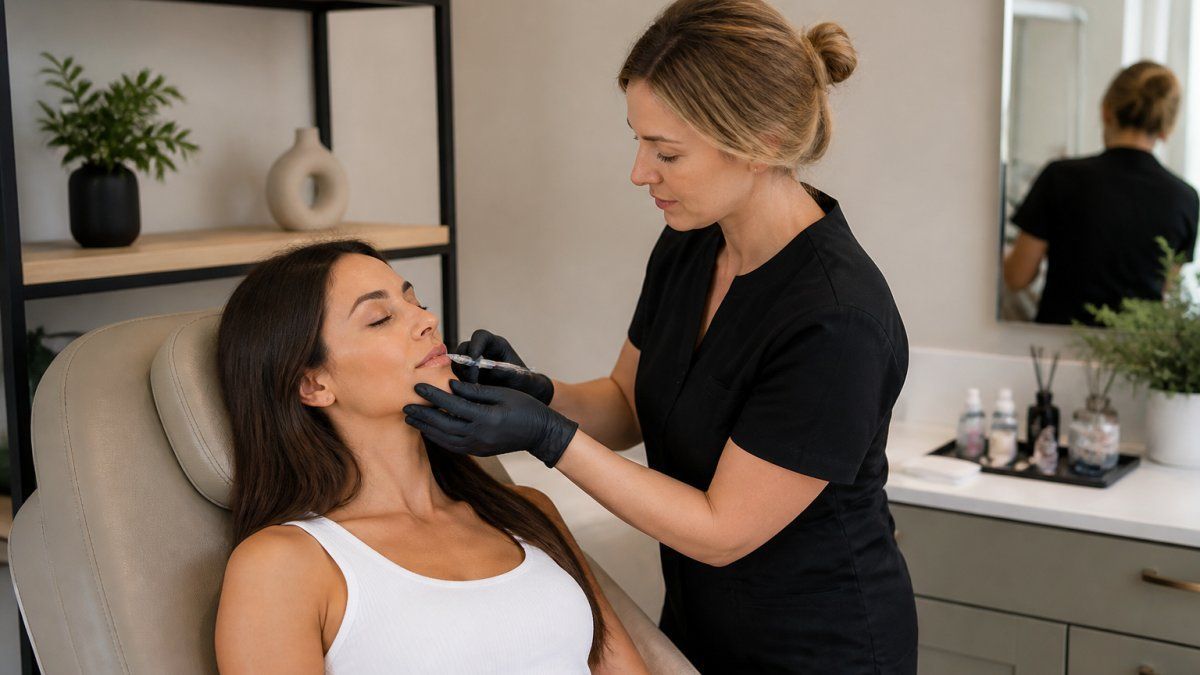
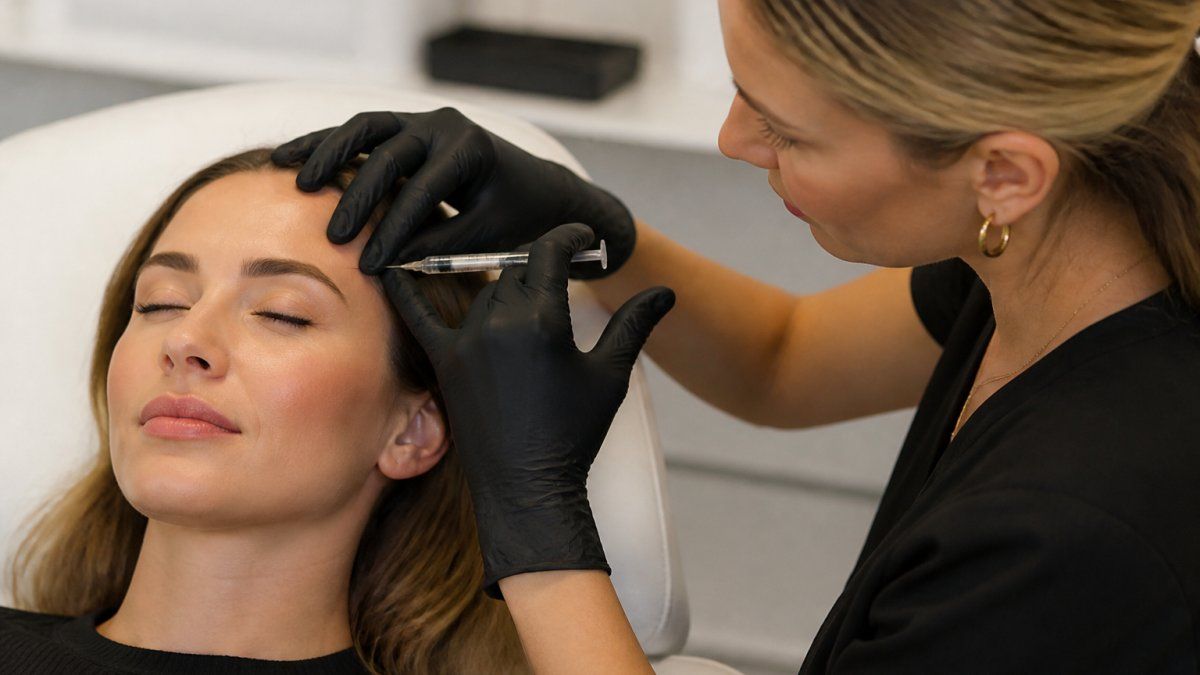
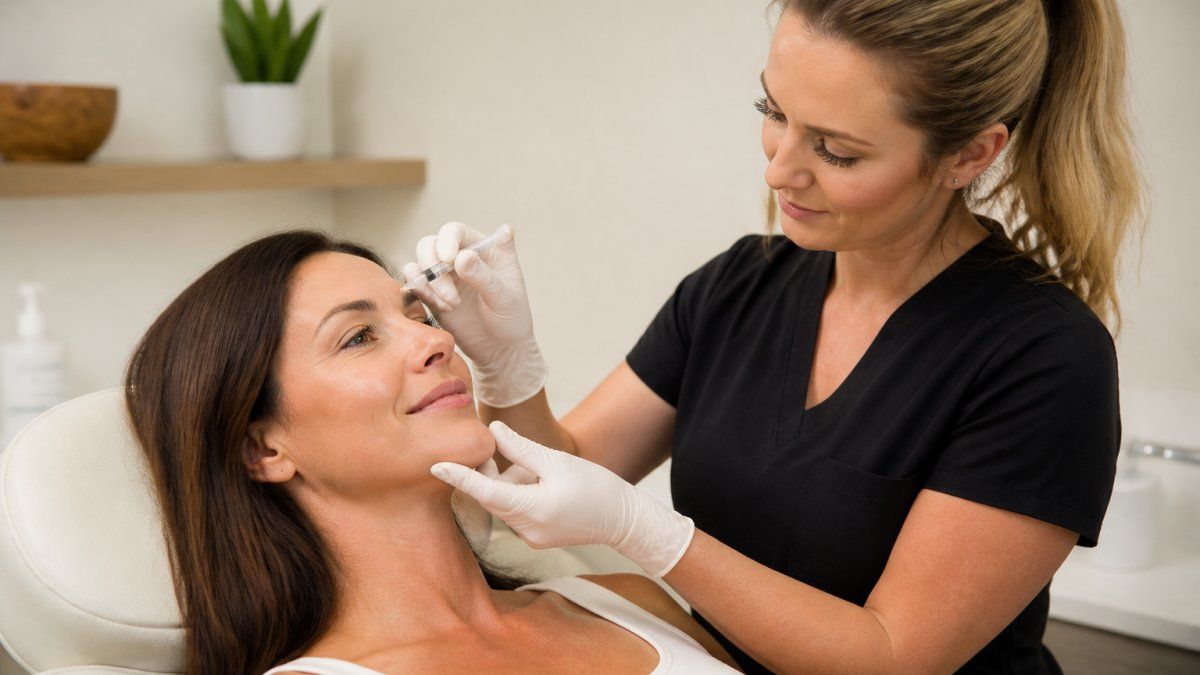
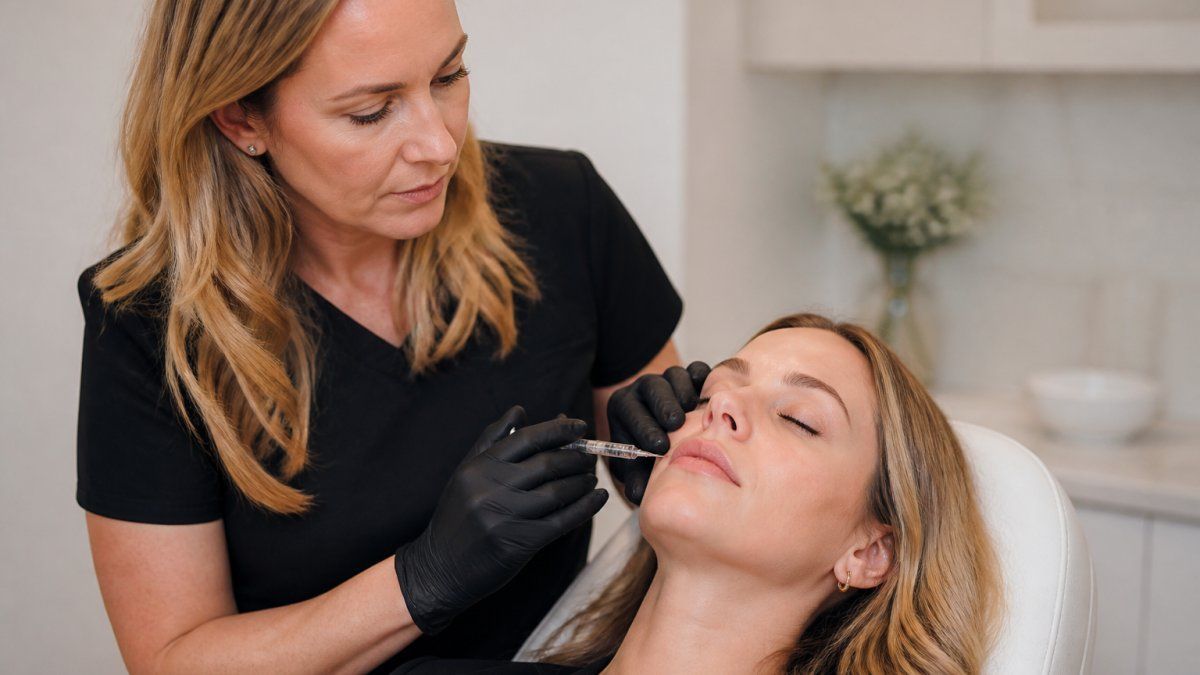
The injection takes 10-15 minutes. You sit comfortably while the injector marks the treatment sites.
You may feel slight pressure or mild discomfort. Most people describe it as tolerable.
Aftercare is simple:
- Don't massage the injection sites for 24 hours
- Avoid strenuous exercise for 24 hours
- Don't lie down for 4 hours after treatment
- Stay upright to let the Botox settle
- Avoid heat (saunas, hot showers) for 24 hours
- Sleep elevated for the first night if possible
These precautions keep the Botox in the right place. They reduce bruising and swelling.
Bruising and swelling peak at 24-48 hours, then improve rapidly. Most people return to normal activities immediately. Makeup covers any bruising by day two.
Avoid other facial treatments (laser, chemical peels, microneedling) for at least one week. These can increase swelling and irritation.
Results take time. You won't see improvement immediately. Patience through week two gives you the best outcome.
Is Botox the Right Choice for Your Neck Concerns
The answer depends on what's causing your turkey neck and what you hope to achieve.
Botox is right for you if:
- You have visible vertical platysmal bands
- The bands worsen when you tense your neck
- Your skin elasticity is still decent
- You want a non-surgical option
- You're willing to repeat treatments every 3-4 months
- You want to test results before considering surgery
Botox is not the right choice if:
- Your main concern is loose, sagging skin
- You have very thin or crepey skin
- You want permanent results
- You prefer one-time treatment over maintenance
- You're uncomfortable with injections
The best way to know is a consultation. A qualified provider assesses your neck, identifies what's causing the concern, and explains what each option can and cannot do.
At Selah Aesthetics and Wellness, every patient starts with a full consultation, Selah Face Value, where we assess your neck layer by layer. We look at bone structure, muscle activity, fat distribution, and skin quality.
We're also honest about limitations. If Botox won't give you the result you want, we tell you. Our goal is your satisfaction, not maximizing procedures.
Frequently Asked Questions
Will Botox get rid of my turkey neck completely?
Botox can soften the appearance of vertical muscle bands (platysmal bands) on the neck by relaxing the platysma muscle. However, it cannot remove loose or sagging skin. If your turkey neck is primarily caused by muscle activity, Botox may deliver noticeable improvement. If loose skin is the main concern, you'll need a different approach. A qualified injector will assess whether your neck concerns are muscle-related, skin-related, or both during a consultation.
How long do neck Botox results last?
Neck Botox results typically appear within 3 to 7 days, with full results visible by 2 weeks. The effects usually last 3 to 4 months, though individual results vary based on metabolism and muscle mass. Most patients schedule maintenance treatments every 3 to 4 months to sustain the softened appearance of neck bands and lines. Consistency with repeat injections helps maintain the refreshed look over time.
What's the difference between Botox for neck bands and a neck lift?
Botox relaxes the platysma muscle to soften vertical bands and reduce muscle-related wrinkles, a non-surgical option with minimal downtime. A neck lift is surgery that addresses loose skin and deeper structural changes, offering more dramatic results but requiring anesthesia and recovery time. Botox works best for muscle-related concerns; a neck lift is better for significant skin laxity or sagging. Your choice depends on the cause of your turkey neck and your comfort level with invasiveness.
Can Botox tighten loose neck skin?
No. Botox relaxes muscle and cannot tighten or remove loose skin. If your turkey neck is caused by skin laxity or sagging rather than muscle bands, Botox alone won't address it. Other non-surgical options like radiofrequency or laser treatments may help with skin quality, but significant loose skin typically requires a surgical neck lift or combination treatments. A consultation with a qualified injector will clarify whether your concerns are muscle-related, skin-related, or both.
Turkey neck responds well to Botox when the problem is muscle-related bands. But Botox alone won't tighten loose skin or remove sagging. The right treatment depends on what's actually causing your concern. A consultation with a qualified provider clarifies your options and sets realistic expectations. At Selah Aesthetics and Wellness, we assess your neck thoroughly and recommend only the treatments that will actually help. Book a consultation to discuss which approach makes sense for your goals.

Lauren Hodge, MSN, FNP-C, is a board-certified Family Nurse Practitioner and aesthetic injector in Columbus, GA, with advanced training in regenerative medicine and aesthetics. She combines her background in pediatrics, pain management, and orthopedics with a passion for natural results, helping patients look and feel their best.
Share This Blog