Cheek Filler Before and After: Real Results Explained

Editorial Team - MSN, FNP-C
Table of Contents
- What Cheek Filler Before and After Photos Really Show
- Cheek Filler Before and After Photos: What Changes and What Doesn't
- Cheek Filler Swelling Stages: Timeline from Injection to Final Results
- How Long Does Cheek Filler Last and What Maintenance Looks Like
- Natural-Looking Cheek Filler: Built, Not Overfilled
- The Treatment Process: What the Injection Experience Involves
- Who Is and Isn't a Good Candidate for Cheek Filler
- Risks, Side Effects, and What to Watch For
- Frequently Asked Questions
Last Updated: October 10, 2026
What Cheek Filler Before and After Photos Really Show
Cheek filler before and after photos reveal how strategic placement restores facial balance, lifts the midface, and creates a refreshed appearance. Results depend entirely on starting anatomy, placement depth, and product choice, not just quantity.
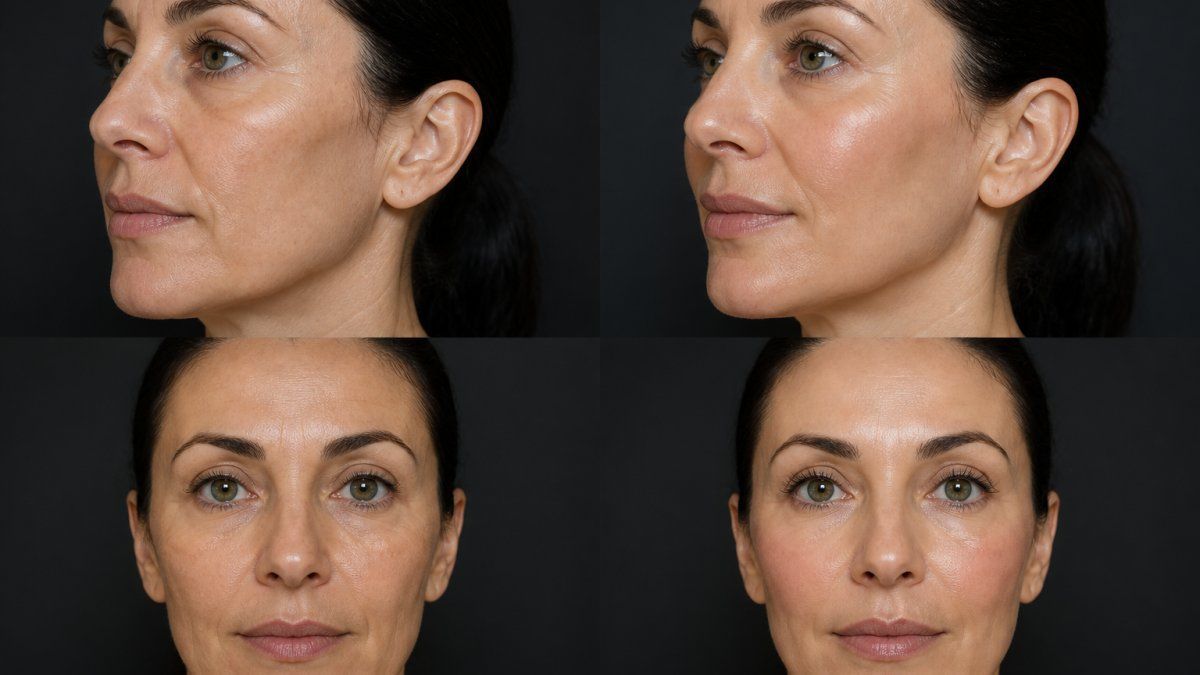
The key difference is between "more" and "better." Overdone results show an injector prioritized filling space; refreshed results show an injector understood facial structure.
Visible changes in cheek volume and lift
Cheek filler before and after photos show immediate volume increase in the cheek apples and along the cheekbone, with reduced shadows and a lifted appearance. This restores what time and gravity have taken.
Correct placement supports the midface and creates an upward vector that counteracts age-related downward drift, transforming a tired appearance into a rested, refined look.
Midface contour and facial balance
Expensive-looking results show improved facial balance, not just bigger cheeks. The relationship between cheekbones, under-eye area, jawline, and temples shifts to create harmony.
Professional assessment identifies what's actually missing: volume in the apples, support along the bone, lateral cheek lift, or asymmetry correction. Different answers require different placement and product choices.
Cheek Filler Before and After Photos: What Changes and What Doesn't
Cheek filler adds volume and lift but does not tighten skin, erase deep lines, or replace fundamental bone structure. Understanding this distinction prevents disappointment.
Filler restores volume, improves proportion, and creates lift. For skin texture, fine lines, or complete transformation, combining treatments matters.
Restoration of fullness in sunken or flat areas
Results are most dramatic when the before shows significant volume loss. Sunken cheeks, flat midface, or under-eye definition loss responds powerfully to filler restoration.
Individual variation is obvious: two people with similar starting points may need different amounts based on cheekbone position, depth, and specific volume needs.
Why overfilled results happen and how to avoid them
Overdone results share a common problem: volume added without assessing facial structure, creating puffy cheeks that don't match bone structure.
Overfilling happens when injectors price by area instead of face. Work with an injector who assesses your face as a whole system, not separate zones.
Cheek Filler Swelling Stages: Timeline from Injection to Final Results
Cheek filler swelling follows a predictable pattern with individual variation. Understanding the timeline helps you distinguish actual results from temporary swelling.
Immediate swelling and what to expect in the first 48 hours
Swelling begins immediately after injection, with peak swelling within 24 hours. Cheeks may feel tight, tender, or slightly bruised, all normal.
Avoid strenuous exercise, heat, and alcohol. Sleep elevated and ice if needed. Most return to normal activity the next day.
Days 3-7: Peak swelling and gradual settling
Days 3-7 show dramatic changes as swelling peaks around day 3-4 then gradually decreases. Cheeks may look fuller than the actual result, this is temporary.
By day 7, most swelling resolves and true results emerge. Bruising typically fades by day 10-14.
Week 2 and beyond: When true results appear
True results appear around week 2 when swelling resolves and filler settles. This is when to evaluate whether treatment achieved your goals.
If unhappy at week 2, schedule a follow-up for adjustment. Most people are happy and enjoy results for months.
How Long Does Cheek Filler Last and What Maintenance Looks Like
Cheek filler before and after results are temporary. Understanding longevity and maintenance helps you plan realistically for the investment and commitment involved. Results are temporary, though individual variation is significant.
Duration of results and individual variation
Longevity depends on filler product, metabolism, injection amount, and body chemistry. Individual timelines vary; observe your own results to establish your pattern.
Most people find that results begin to fade over time. Some people choose to maintain results with touch-ups before complete resolution; others wait until results fade completely and retreat.
Touch-up schedules and total cost of maintenance
Cheek filler maintenance requires planning. If you want consistent results year-round, you'll need touch-ups periodically. Some people prefer more frequent smaller touch-ups; others wait longer between treatments. (Source: American Society of Plastic Surgeons' statistics on minimally invasive cosmetic procedures)
The total cost of maintenance adds up over time. Budget accordingly. Many people find that a comprehensive consultation approach, assessing your entire face rather than just cheeks, actually provides better value.
Natural-Looking Cheek Filler: Built, Not Overfilled
The difference between natural-looking and overdone cheek filler comes down to one principle: assessment before injection. A professional injector evaluates your facial structure, identifies what's actually missing, and places filler strategically to restore balance. This creates results that look built, not overfilled.
How professional assessment prevents the overdone look
Professional assessment means understanding facial anatomy. Your injector should evaluate your cheekbone position, the relationship between your cheeks and other facial features, your skin quality, and your starting volume.
An injector who says "I recommend one syringe because your face needs this specific placement" is different from one who says "Most people get two syringes." The first approach is assessment-based. The second is volume-based. Assessment-based results look natural and expensive.
Facial anatomy and strategic placement for balance
Strategic placement means understanding that cheek filler serves multiple purposes. Volume in the apples lifts and defines. Volume along the cheekbone creates structure. Volume in the lateral cheek supports the midface. Different placements create different effects.
An experienced injector varies depth, placement angle, and product choice based on your individual anatomy. This is why the consultation is medicine, not a sales pitch. The injector's job is to understand your face and recommend what actually serves it, not to sell you the most filler possible.
The Treatment Process: What the Injection Experience Involves
Understanding the cheek filler injection process helps you prepare mentally and physically. Most people find the experience manageable, especially when they know what to expect.
Consultation and facial analysis before treatment
The consultation is where everything happens. Your injector should perform a thorough facial analysis, asking about your goals, assessing your anatomy, and explaining their recommendations.
This is your opportunity to ask questions and voice concerns. A good injector welcomes this. They should explain their reasoning, address your fears, and be honest about what's realistic for your face. If something doesn't feel right during the consultation, trust that instinct.
Injection technique and comfort during the procedure
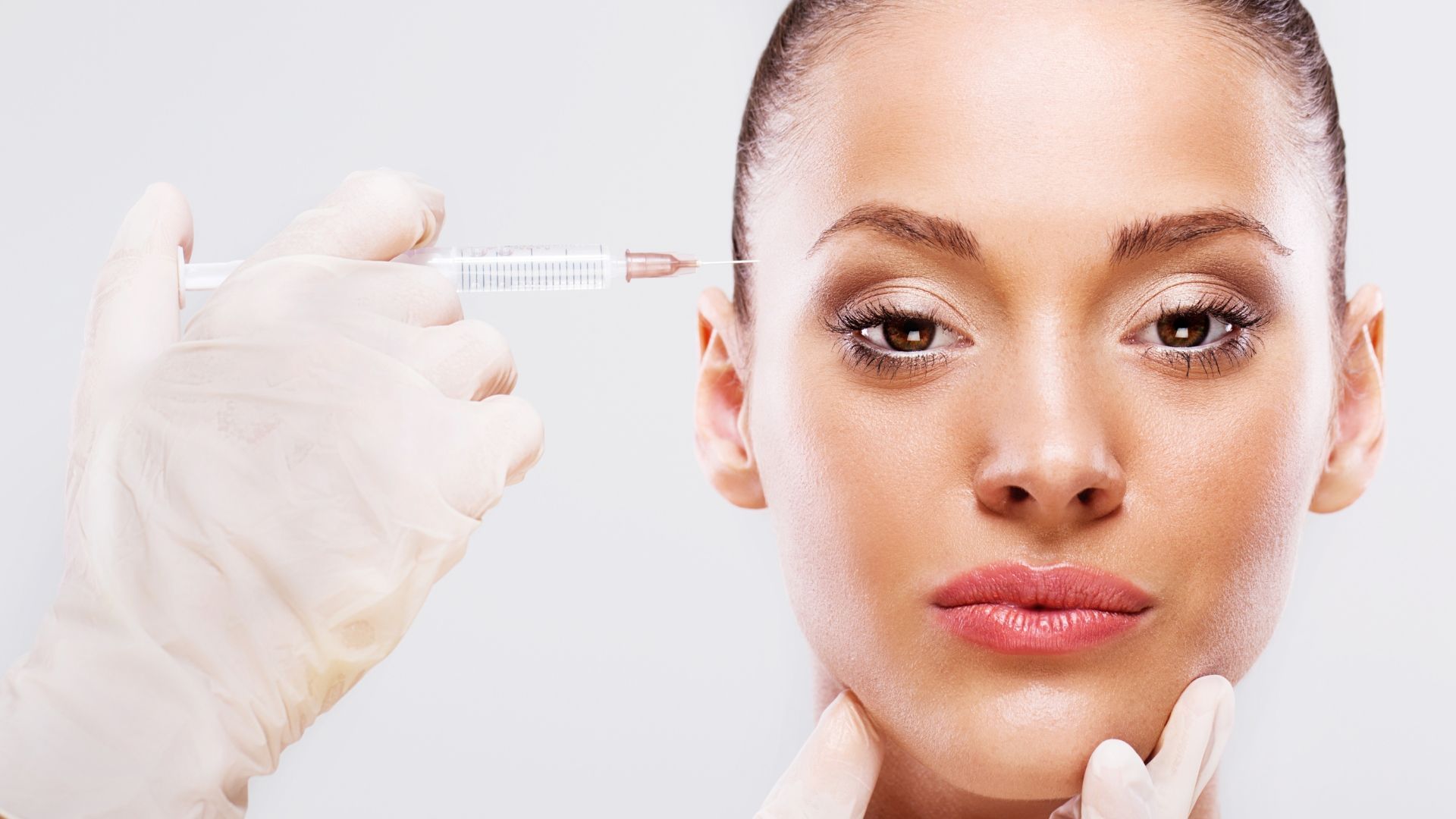
The actual injection takes 10 to 15 minutes. Your injector will mark injection points, apply numbing cream, and begin injecting. Most people describe the sensation as mild pressure or pinching. It's uncomfortable but not painful for most.
You'll feel the filler being placed and may experience mild discomfort. Your injector can pause, apply more numbing, or adjust technique if you're uncomfortable. After injection, ice is applied to reduce swelling and discomfort.
Who Is and Isn't a Good Candidate for Cheek Filler
Not everyone is a good candidate for cheek filler before and after results that will satisfy them. Understanding candidacy helps you decide if this treatment is right for you.
Age, skin quality, and realistic expectations
Cheek filler works best for people with realistic expectations who understand that results are temporary and require maintenance. Age alone doesn't determine candidacy, some 30-year-olds benefit from cheek filler; some 60-year-olds don't need it.
People with good skin quality and realistic goals tend to be happiest with results. If you're seeking a complete facial transformation, cheek filler alone won't deliver that. If you're seeking to restore lost volume and improve balance, you're likely a good candidate.
When to say no: Contraindications and warning signs
Some people shouldn't have cheek filler. Active skin infections, certain medical conditions, or medications that affect bleeding or healing may contraindicate treatment. Unrealistic expectations are also a contraindication, if you expect cheek filler to fix problems it can't address, you'll be disappointed.
Warning signs that you might not be a good candidate: you're seeking this because someone else suggested it, not because you want it; you're experiencing a major life stressor; you have a history of body image concerns; you can't afford maintenance.
Risks, Side Effects, and What to Watch For
Cheek filler before and after results come with real risks. Understanding these helps you make an informed decision and recognize normal healing from concerning complications.
Common short-term side effects and recovery
Swelling, bruising, tenderness, and temporary asymmetry are normal after cheek filler injection. These resolve within days to weeks. Mild itching or firmness as swelling resolves is also normal. These side effects are temporary and expected.
Most people experience minimal bruising. Some experience more pronounced bruising depending on needle placement and individual bleeding tendency. Bruising typically fades within 10 to 14 days.
Rare complications and when to seek immediate care
Serious complications are rare but possible. Vascular occlusion (filler blocking blood flow) is the most serious risk ( the FDA). Signs include blanching, severe pain, skin discoloration, or tissue death.
Other rare complications include infection, allergic reaction, or filler migration. Infection signs include increasing redness, warmth, swelling, or pus. Allergic reactions cause itching, hives, or difficulty breathing.
Most people never experience serious complications. Your risk decreases significantly when you choose an experienced injector who understands facial anatomy and recognizes complications early.
Cheek filler before and after results demonstrate real transformation when assessment guides treatment. Book your consultation with Lauren, our board-certified nurse practitioner, and discover how strategic cheek filler enhances your natural features.
Frequently Asked Questions
How soon can I see cheek filler results after injection?
You'll see immediate volume from the filler itself, but swelling masks the true result for the first week. Most patients see the best cheek filler before and after results by day 10-14, once swelling has fully resolved. The filler integrates with your tissue over 2-4 weeks, so results continue to improve subtly during this time. Full settling occurs around week 4.
What does normal swelling look like in the cheek filler swelling stages?
Day 1-2 shows the most swelling, often making cheeks appear fuller than the final result. By day 3-5, swelling peaks but begins to decrease. Days 7-10 show significant improvement as swelling resolves. This is why comparing before-and-after photos taken immediately after injection versus two weeks later shows such a dramatic difference. Ice and elevation help reduce swelling duration.
How long does cheek filler last, and do I need ongoing treatments?
Most dermal fillers are temporary in the cheeks, though individual results vary based on metabolism, filler type, and placement depth. Some patients maintain results longer with touch-ups before complete dissolution. A maintenance plan involves smaller touch-ups periodically rather than full correction each time. Your provider can discuss a schedule during your consultation.
Can cheek filler look natural, or will people always know I've had work done?
Natural-looking cheek filler depends on professional assessment and strategic placement. The goal is refreshed balance, not obvious fullness. A skilled injector evaluates your facial anatomy, bone structure, and existing volume to place filler where it restores what time has taken rather than adding obvious bulk. Results should make people notice you look well-rested, not that you've had filler, they'll notice without knowing why.

Lauren Hodge, MSN, FNP-C, is a board-certified Family Nurse Practitioner and aesthetic injector in Columbus, GA, with advanced training in regenerative medicine and aesthetics. She combines her background in pediatrics, pain management, and orthopedics with a passion for natural results, helping patients look and feel their best.
Share This Blog