PRP Hair Treatment in Columbus, GA: Candidacy & Recovery

Lauren Hodge - MSN, FNP-C
⚡TL;DR: PRP hair treatment in Columbus, GA uses your body’s own growth factors to stimulate hair follicles, improve density, and support natural hair regrowth with minimal downtime, especially for early-stage hair thinning.
Many men and women in Columbus seek a treatment that effectively stimulates hair growth and improves hair density without surgery. That is where PRP hair treatment in Columbus, GA comes in. PRP stands for platelet-rich plasma, a therapy that uses your own blood to support hair follicle health and encourage new hair growth.
Doctors have used platelet-rich plasma for years in areas like wound healing and orthopedic medicine. It is now also used as a treatment for hair loss.
Research shows that growth factors in platelet-rich plasma may help stimulate hair follicles and support hair regrowth in people with androgenetic alopecia and hair thinning.
At Selah Aesthetics and Wellness in Columbus, GA, PRP therapy offers a natural option for patients seeking to restore thinning hair and improve scalp health. This guide explains who is a good candidate for PRP, how the treatment works, and what recovery looks like.
📋What You'll Learn From This Article
By the end of this guide, you will understand:
- What PRP hair treatment is and how platelet-rich plasma therapy supports hair follicle health
- How PRP injections work in the scalp to stimulate hair growth and improve hair density
- Who is a good candidate for PRP therapy, including people with androgenetic alopecia or thinning hair
- What happens during a PRP hair restoration procedure, from blood draw to scalp injections
- What recovery looks like after PRP treatment and how long it takes to see results
- The benefits of PRP for hair loss, including strengthening existing hair and encouraging new hair growth
- Possible risks and side effects of PRP therapy and how providers minimize them
- Tips to help improve PRP hair treatment results through scalp care and healthy habits
Understanding these key points will help you decide whether PRP therapy for hair loss may be the right treatment for you.
What Is PRP Hair Treatment?
PRP therapy may sound technical, but the concept is pretty simple. It uses healing components already inside your blood to support hair follicles and encourage growth.
What Is Platelet Rich Plasma?
Platelet-rich plasma is a concentration of platelets taken from your own blood. Platelets contain proteins called growth factors that help tissues repair and regenerate.
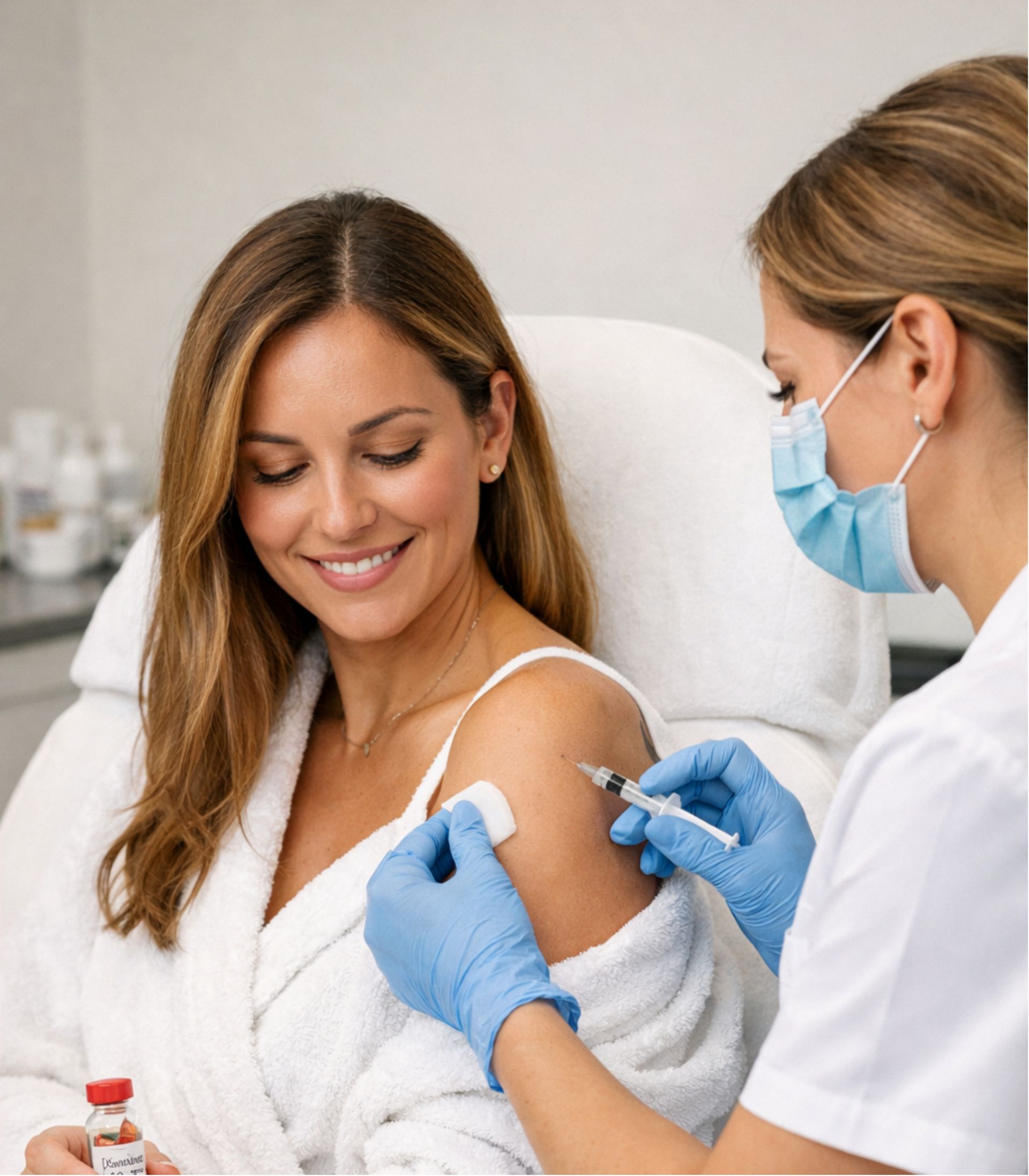
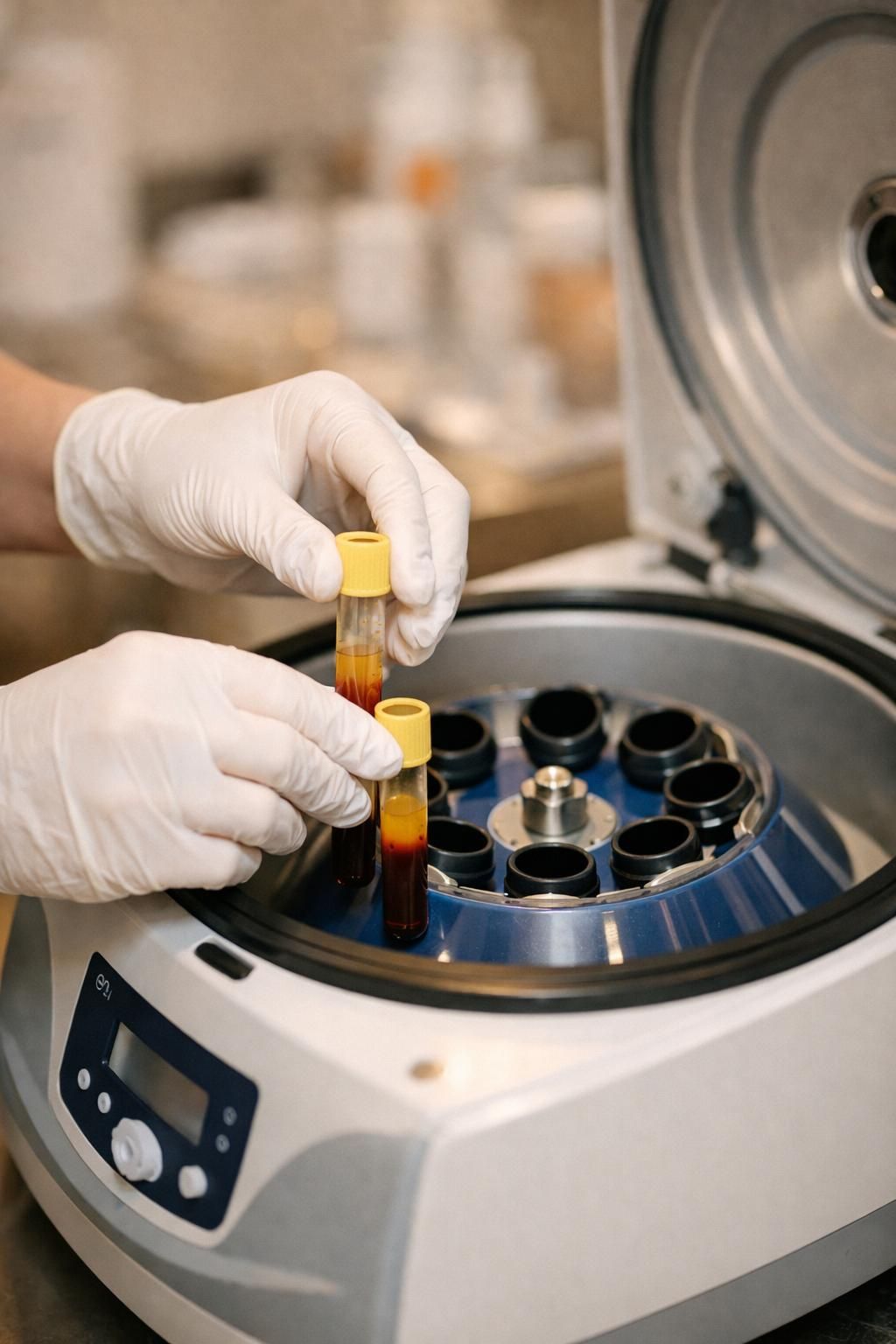
During PRP preparation, blood is drawn from your arm, similar to a standard lab test. The sample is placed into a machine called a centrifuge, which spins quickly to separate the blood into layers:
- Platelet-rich plasma
- Platelet-poor plasma
- Red blood cells
The PRP layer contains a high concentration of platelets. This concentrated solution becomes the PRP injection used in hair restoration treatment.
Scientific research shows that platelet-rich plasma contains growth signals such as:
- Vascular endothelial growth factor
- Epidermal growth factor
- Fibroblast growth factor
These growth factors help support tissue repair and may contribute to hair follicle stimulation and improved hair growth.
How PRP Supports Hair Growth
Hair follicles go through a natural cycle of growth, rest, and shedding. In conditions such as male pattern baldness (androgenetic alopecia), hair follicles shrink over time. Hair becomes thinner, weaker, and eventually stops growing.
PRP therapy works by delivering growth factors directly into areas of the scalp experiencing hair thinning or loss.
PRP injections may help:
- Stimulate dormant hair follicles
- Improve blood flow to the scalp
- Support stronger hair shaft production
- Increase hair density over time
Studies, including randomized, placebo-controlled trials, suggest that PRP therapy may increase hair density and improve hair thickness in patients with pattern hair loss.
PRP Compared to Other Hair Loss Treatments
Many treatments for hair loss already exist. The most common include medications like minoxidil or finasteride.
PRP differs because it focuses on stimulating hair follicles with your own biological signals rather than changing hormone levels.
Here is a quick comparison:
| Treatment | How It Works | Invasiveness | Goal |
|---|---|---|---|
| PRP therapy | Injects platelet-rich plasma to stimulate follicles | Minimally invasive | Encourage hair regrowth |
| Minoxidil | Topical medication that promotes blood flow | Non-invasive | Slow hair loss |
| Finasteride | Oral medication that blocks the DHT hormone | Non-invasive | Prevent follicle shrinkage |
| Hair transplant | Moves hair follicles surgically | Surgical | Replace lost hair |
PRP is often used before hair transplant surgery becomes necessary. It works best when hair follicles still exist but need stimulation.
How PRP Hair Treatment Works
Understanding how PRP works helps set realistic expectations for hair restoration results.
The Science Behind PRP Therapy
Platelets contain proteins that signal cells to repair tissue. When injected into the scalp, platelets release growth factors that stimulate cellular activity around hair follicles.
These growth factors may:
- Encourage stem cells in the hair follicle
- Improve blood vessel formation
- Strengthen existing hair follicles
The effect of platelet-rich plasma on hair follicles focuses on supporting healthier follicle activity, which may lead to stronger hair growth and thicker strands.
Step-by-Step PRP Hair Procedure
The PRP treatment process is straightforward and usually takes less than an hour.
Step 1: Blood draw
A small amount of blood is taken from your arm.
Step 2: PRP preparation
The blood is placed into a centrifuge. Spinning separates platelet-rich plasma from other blood cells.
Step 3: PRP injection
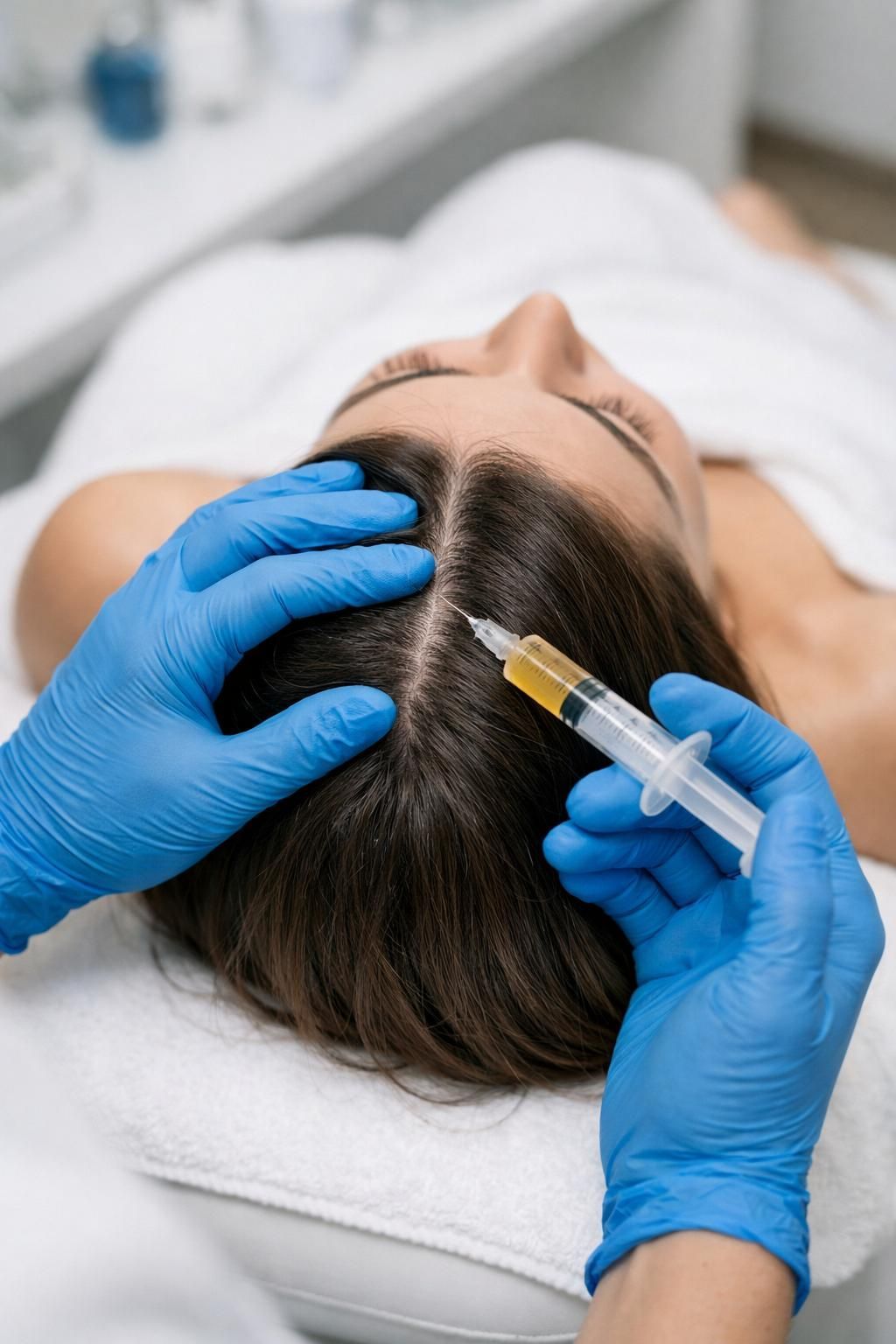
A provider injects small amounts of PRP into areas of hair loss or thinning across the scalp.
Doctors often inject several mL of PRP across targeted scalp zones. Numbing cream is usually applied first to reduce discomfort.
Typical Treatment Schedule
PRP therapy works gradually. Most providers recommend a treatment series.
Typical schedule:
- 3 to 4 sessions
- spaced about 4 to 6 weeks apart
Maintenance treatments may occur every 6 to 12 months, depending on how your hair responds.
Who Is a Good Candidate for PRP Hair Treatment?
Not everyone experiencing hair loss will benefit from PRP. The treatment works best under certain conditions.
Ideal Candidates for PRP Therapy
PRP works best when hair follicles still exist but have become weaker.
You may be a good candidate for PRP if you:
- Notice early hair thinning
- Have androgenetic alopecia
- Experience male pattern baldness or female pattern hair loss
- Want a non-surgical hair restoration option
Patients who still have active follicles typically respond better because PRP focuses on stimulating existing hair growth.
Factors That Improve Treatment Success
Several factors can influence results.
Patients often see better outcomes when they:
- Start treatment early
- Maintain good overall health
- Follow the recommended treatment schedule
Healthy nutrition and proper scalp care also contribute to stronger hair growth.
Who May Not Be a Good Candidate
PRP is not ideal for every patient.
You may not qualify if you have:
- Certain blood disorders
- Active scalp infections
- Severe hair loss where follicles no longer exist
A consultation with a qualified provider helps determine whether PRP therapy is right for your hair loss condition.
Benefits of PRP Hair Restoration
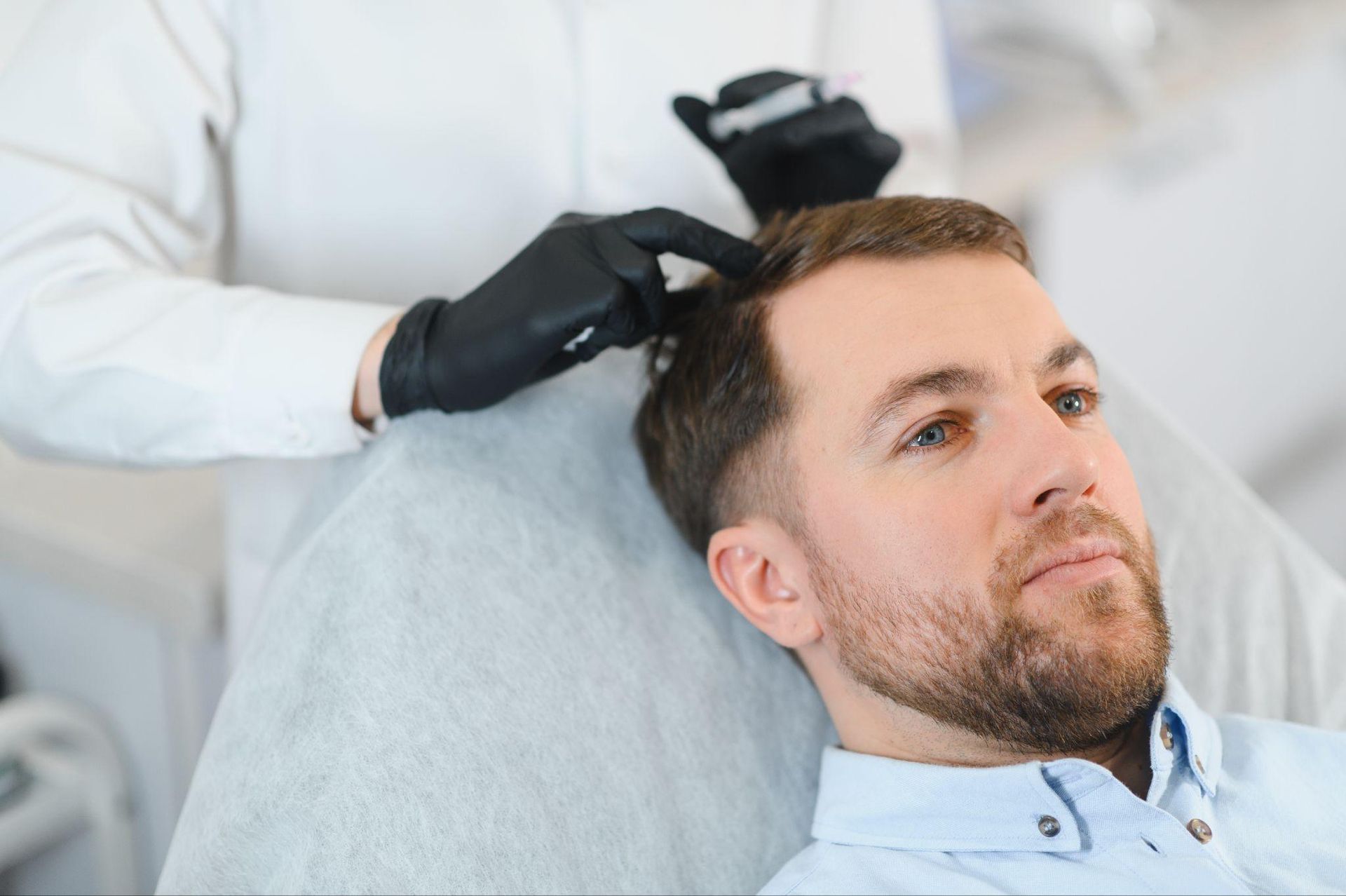
PRP hair restoration continues to gain attention for its several advantages over surgical options.
Natural Hair Restoration
PRP uses autologous platelet-rich plasma, which means the treatment comes from your own blood. This reduces the risk of allergic reactions.
Patients often prefer PRP because it supports natural hair restoration without implants or surgery.
Improvement in Hair Thickness and Density
Many patients report thicker strands and fuller coverage after treatment.
Research shows PRP may contribute to:
- Increased hair density
- Improved hair shaft thickness
- Strengthening existing hair
These improvements happen gradually as follicles respond to growth signals.
Minimal Downtime
PRP therapy fits easily into a busy schedule.
Most sessions take less than one hour. Patients usually return to normal activity the same day.
Some mild redness or tenderness can occur, but serious complications remain uncommon.
Long-Term Support for Hair Health
PRP does not permanently stop hair loss, but it can help support follicle activity long term.
Maintenance sessions help continue the stimulation of the hair growth process.
Preparing for PRP Hair Treatment
Preparation is simple, but a few steps help improve treatment results.
Pre-Treatment Consultation
Your provider will examine your hair and scalp before recommending PRP therapy.
During this visit, you can expect:
- Hair and scalp evaluation
- Medical history review
- Discussion about areas of hair loss
This helps confirm whether PRP is an effective treatment for your condition.
Preparing for Your Appointment
Doctors often recommend a few steps before treatment.
- Drink plenty of water the day before
- Wash your hair prior to the visit
- Avoid alcohol or blood-thinning medications if your doctor advises
Hydration improves the quality of platelet-rich plasma during PRP preparation.
What Happens on Treatment Day
A typical appointment includes:
- Blood draw
- PRP preparation in a centrifuge
- PRP injections into the scalp
Most people feel mild pressure or small pinches during injections.
PRP Hair Treatment Recovery Timeline
Recovery from PRP therapy is usually simple and quick.
Immediately After Treatment
You may notice:
- Mild redness
- Minor swelling
- Slight scalp tenderness
These PRP effects usually fade within 24 to 48 hours.
First 72 Hours
During the first few days, avoid:
- Harsh hair products
- Intense sweating
- Heavy scalp massage
Keeping the scalp clean and protected helps the healing process.
Weeks After Treatment
Hair growth happens slowly. Over several weeks, you may notice:
- Reduced hair shedding
- Stronger hair strands
- Early regrowth in thinning areas
When Results Appear
Most patients begin seeing visible improvement around three to six months after treatment.
Hair follicles respond gradually as growth factors continue working within the scalp.
Tips to Improve PRP Hair Results
PRP works best when paired with healthy habits and proper scalp care.
Follow Aftercare Instructions
Simple aftercare steps help protect your scalp after treatment.
- Avoid chemical hair treatments temporarily
- Keep the scalp clean
- Attend recommended follow-up sessions
Consistency matters when it comes to PRP therapy for hair.
Support Hair Growth Through Lifestyle
Hair health often reflects overall health.
Focus on:
- Protein-rich nutrition
- Adequate hydration
- Stress management
Deficiencies in iron or protein can contribute to hair thinning.
Combine PRP With Other Hair Treatments
Doctors sometimes recommend combining PRP with additional therapies.
These may include:
- medical-grade hair products
- supplements
- topical hair loss treatments
Combining therapies may improve hair growth and thickness over time.
Frequently Asked Questions About PRP Hair Treatment
1. How many PRP sessions are needed for hair restoration?
Most patients start with three to four sessions spaced one month apart. Maintenance treatments may occur once or twice per year, depending on results.
2. Is PRP hair treatment painful?
Discomfort is usually mild. Providers apply numbing cream before injections, which helps reduce sensitivity.
3. When will I see hair growth after PRP?
Some patients notice early changes within three months, but full improvement often appears around six months.
4. Are there risks or side effects of PRP therapy?
Side effects are usually mild. They may include temporary redness, swelling, or scalp tenderness. Serious complications remain rare because the treatment uses your own blood.
5. Can PRP replace hair transplant surgery?
PRP does not replace surgical hair restoration in severe cases. However, it can be a helpful early hair loss treatment and may support hair growth after hair transplant procedures.
Conclusion - Is PRP Hair Treatment Right for You?
Hair loss can feel discouraging, but treatments exist that support real improvement. PRP hair restoration focuses on stimulating your own hair follicles using growth factors found in platelet-rich plasma.
For many people with hair thinning and pattern hair loss, PRP offers a non-surgical way to improve hair density and encourage regrowth.
The most important step is getting an evaluation from a qualified provider who understands hair loss and scalp health.
If you want to address hair loss and restore thinning hair with PRP, the team at Selah Aesthetics and Wellness in Columbus, GA, can help determine whether PRP therapy fits your goals and hair condition. Schedule a consultation to get clear answers and a treatment plan designed for you.

Lauren Hodge, MSN, FNP-C, is a board-certified Family Nurse Practitioner and aesthetic injector in Columbus, GA, with advanced training in regenerative medicine and aesthetics. She combines her background in pediatrics, pain management, and orthopedics with a passion for natural results, helping patients look and feel their best.
Share This Blog