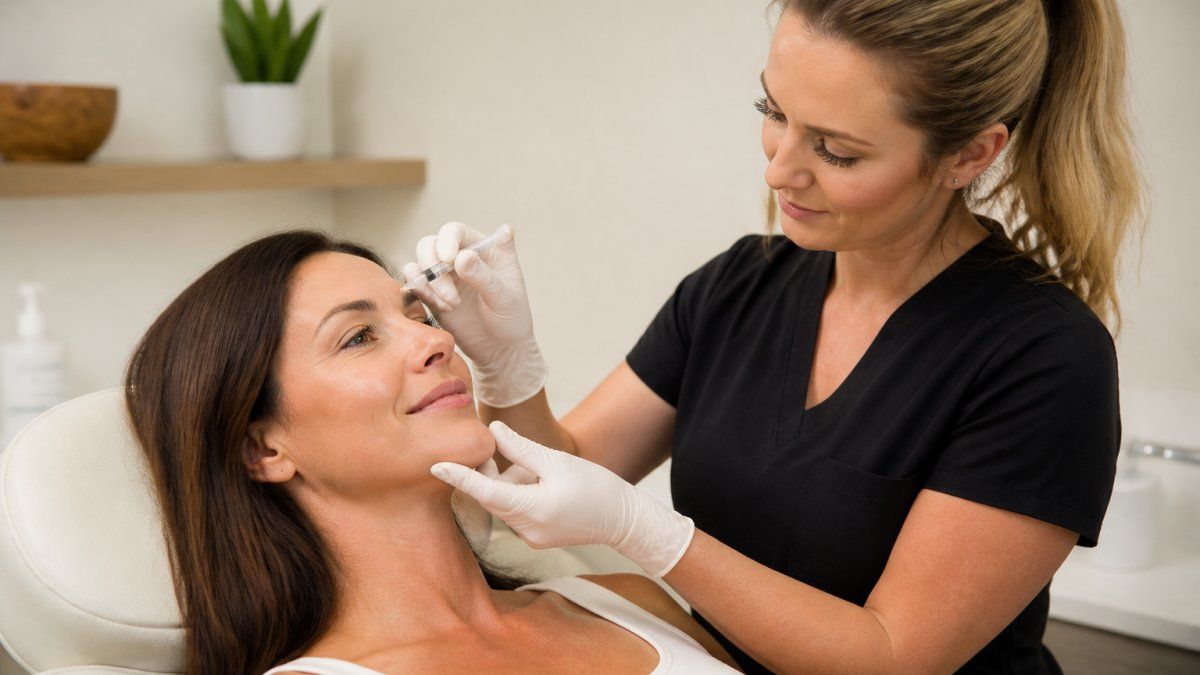
How to Build Wellness Habits Before Aesthetic Treatments

Editorial Team - MSN, FNP-C
Last Updated: October 25, 2026
Quick Summary
Wellness habits before aesthetic treatments should start about four weeks out, when you build hydration and sleep routines and bring a full medication and supplement list to your provider. In the final two weeks you pause retinoids and exfoliating acids if advised, reduce alcohol, and stop tanning.
- Bring every prescription, over-the-counter medicine, and supplement to your provider for review four weeks out.
- Pause retinoids and strong exfoliating acids two weeks out only if your provider advises it.
- Most adults need seven to nine hours of sleep for overnight skin repair.
- Cut back on alcohol in the 72 hours before treatment since it dehydrates and can thin the blood.
- Never stop a prescribed blood thinner on your own; ask your doctor first.
Table of Contents
- Why Wellness Habits Matter Before Aesthetic Treatments
- How to Prepare for an Aesthetic Treatment: A Practical Timeline
- Skin Care Before Aesthetic Treatments: What to Pause and What to Keep
- What to Eat Before Aesthetic Treatment: Nutrition, Hydration, and Healing
- Sleep, Exercise, and Stress Management for Better Treatment Results
- Sun Protection, Alcohol, Smoking, and Other Habits to Adjust
- Pre-Treatment Consultation Questions to Ask Your Provider
- Frequently Asked Questions
Why Wellness Habits Matter Before Aesthetic Treatments
The best aesthetic results start weeks before you sit in a treatment chair. At Selah Aesthetics and Wellness, we treat preparation as part of the procedure, not an afterthought. (Source: the U.S. Department of Health and Human Services' guidelines on daily water intake)
Here's the part most guides get wrong: they hand you a generic list of "healthy tips" and call it preparation. That advice ignores your skin type, your medications, and the specific treatment you're having.
We see this play out in our Columbus practice. Patients who arrive hydrated, rested, and honest about their supplements tend to heal more predictably. That's not a guarantee, and no honest clinician promises one.
This guide gives you a practical timeline, a checklist, and straight answers on what to pause, what to keep, and what to ask. For a deeper look at how we blend wellness with aesthetics, see our wellness journeys integrative aesthetic treatments page.
How to Prepare for an Aesthetic Treatment: A Practical Timeline
Preparation works best as a countdown, not a checklist you skim the night before. The schedule below reflects common pre-procedure guidance, but your provider should adjust it for your specific treatment, health history, and medications. Use it as a starting framework, then confirm every item with your clinician.
| Timeframe | Focus | Key Actions |
|---|---|---|
| Four weeks out | Baseline and medical review | Establish hydration and sleep habits; bring a full medication and supplement list to your provider; schedule any needed lab work or clearance |
| Two weeks out | Skin and lifestyle reset | Pause retinoids and strong exfoliating acids if advised; skip new skincare products; reduce alcohol; stop tanning; confirm aftercare plan |
| One week out | Risk reduction | Avoid dental work and elective procedures near the treatment area if your provider advises; maintain gentle skincare; prioritize sleep; review pain-reliever guidance |
| 72 hours out | Final adjustments | Cut alcohol; avoid long sun exposure; pause flagged actives; hydrate steadily; confirm transportation and recovery time |
| 24 hours out | Day-before routine | Gentle cleanse and moisturize; no new products; light, balanced meals; normal sleep schedule; prepare clean skin for arrival |
| Day of | Stay steady | Light meal unless instructed otherwise; steady water; skip excess caffeine; arrive with clean skin and no makeup on the treatment area; bring your medication list |
Four Weeks Out
Start with the big three: water, sleep, and an honest medication list. Bring every prescription, over-the-counter medicine, and supplement to your provider's attention, including aspirin, fish oil, and blood thinners.
Skip new skincare products during this window. If a product irritates your skin, you want to know now, not two days before treatment. Patch-test anything you plan to keep using.
Two Weeks Out
This is when the lifestyle reset begins. Reduce alcohol, stop tanning bed use entirely, and tighten up sun protection. If your provider has flagged retinoids or strong exfoliating acids, pause them now rather than later. Confirm your aftercare plan, including which products you will use during recovery and when you can resume your normal routine.
One Week Out
Avoid dental work and other elective procedures near the treatment area if your provider advises, since they can introduce bacteria or inflammation close to the site. Keep skincare gentle and boring. Prioritize sleep, and review the pain-reliever guidance your provider gave you so you are not making a last-minute decision on treatment day.
72 Hours Out
Cut back on alcohol. It dehydrates you and can thin the blood, which matters for injectables and laser treatments alike. Pause retinoids and any active ingredients your provider flags. Avoid tanning and long sun exposure. Get your sleep in order. Skin repairs itself overnight, and going into a treatment run-down makes recovery harder.
24 Hours Out
Keep the day before simple. Gentle cleanse, basic moisturizer, no new products. Eat light, balanced meals and keep water steady. Stick to your normal sleep schedule rather than trying to bank extra hours. Prepare your arrival: clean skin, no makeup on the treatment area, and your medication list in hand.
Day Of
Eat a light meal unless your provider has given different instructions. Come hydrated. Skip the extra espresso if you are prone to jitters or bruising. Arrive with clean skin and no makeup on the treatment area.
Skin Care Before Aesthetic Treatments: What to Pause and What to Keep
Skin care before aesthetic treatments comes down to one rule: simplify, don't overhaul. Your provider will give you a treatment-specific list, but here's the general pattern.
Pause these when advised:
- Retinoids and retinoid-like products
- Strong exfoliating acids
- Any product that stings or burns
Keep these:
- A gentle cleanser
- A basic moisturizer
- Sunscreen, every single day
The active skincare ingredients that make your routine "work" are often the same ones that irritate skin before a procedure. That's the trade-off. Pausing them for a few days protects your skin barrier, and the barrier is what heals.
What to Eat Before Aesthetic Treatment: Nutrition, Hydration, and Healing
What to eat before aesthetic treatment isn't about a magic food. Hydration and nutrition support collagen production, skin regeneration, and the recovery process that follows any procedure. (Source: the National Institutes of Health's recommendations for adult sleep duration)

Hydration and Water Intake
Water intake matters more than most people realize. Skin that's well hydrated looks plumper and handles stress better. Aim for steady water throughout the day, not a gallon chugged the night before. Spread it out.
Skip the dehydrating extras: heavy alcohol, excess caffeine, and salty fast food. None of these will ruin your treatment, but they don't help.
Anti-Inflammatory Foods and Collagen Production
Anti-inflammatory foods support healing. Think fatty fish, leafy greens, berries, nuts, and plenty of vegetables. These foods supply the building blocks your body uses for collagen production and skin repair.
There's no single "collagen food" that replaces a balanced diet. A varied plate does more than any powder. If you're considering supplements, run them past your provider first.
Sleep, Exercise, and Stress Management for Better Treatment Results
Sleep is when your skin does its heaviest repair work. Overnight repair is real, and it's one of the simplest levers you control.
Exercise supports circulation and overall wellness. Keep your normal routine leading up to treatment.
Stress management counts too. For more on how wellness and appearance connect, read our piece on enhanced natural beauty vs improved well-being.
Sun Protection, Alcohol, Smoking, and Other Habits to Adjust
Sun protection is non-negotiable. Sun exposure and tanning damage skin and slow healing. Wear broad-spectrum sunscreen daily, and stay out of tanning beds entirely before and after treatment.
A few more habits to adjust:
- Alcohol: cut back before treatment and during recovery
- Smoking: it restricts blood flow and slows healing; stopping even briefly helps
- Caffeine: fine in moderation, but don't overdo it on treatment day
Watch out: Don't stop a prescribed blood thinner on your own. That's a medical decision, and it belongs to your doctor. Ask, don't guess.
Pre-Treatment Consultation Questions to Ask Your Provider
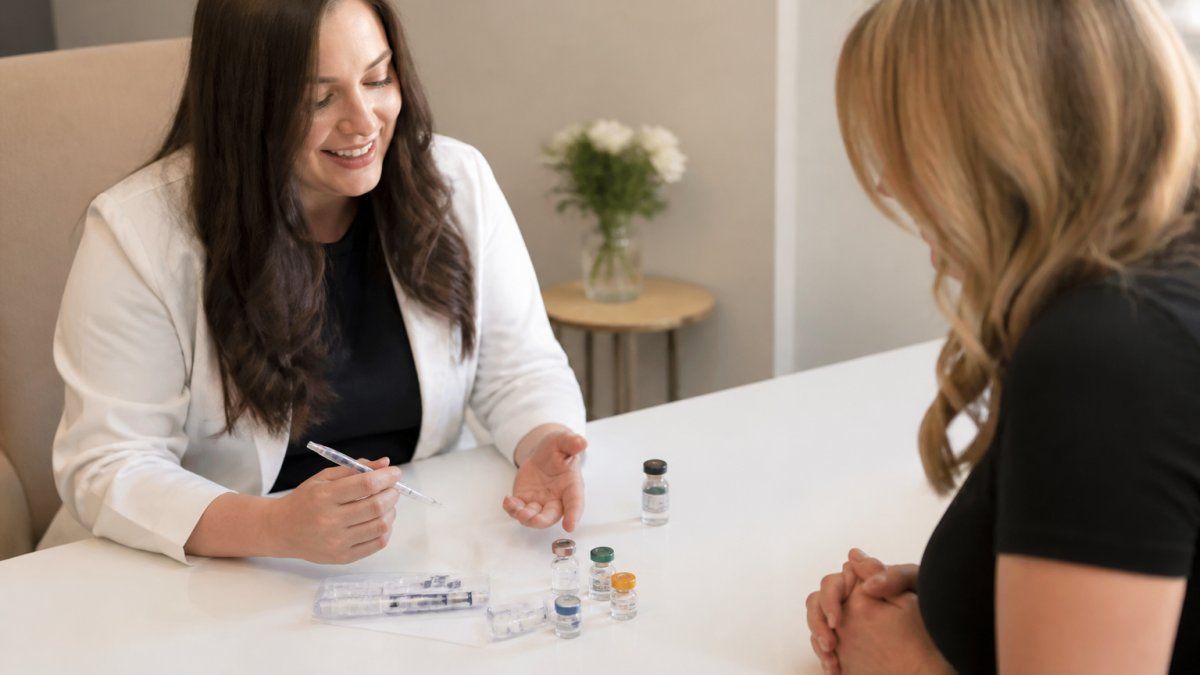
A good consultation is medicine, not a sales pitch. Come with questions, and expect answers that are specific to your health history, your skin, and the treatment you are considering. The strongest preparation advice is personalized, and that personalization starts here.
Medication and Supplement Review
Bring a complete list: every prescription, over-the-counter medicine, vitamin, herbal product, and recreational substance. Include aspirin, ibuprofen, fish oil, ginkgo, garlic supplements, and any blood thinner. Ask your provider to review the list for bleeding risk, interactions, and whether anything should be paused. Do not stop a prescribed medication on your own. That is a medical decision, and it belongs to your doctor.
Personalized Risk Factors and Contraindications
General advice does not account for your skin type, medical history, allergies, or pregnancy status. Ask directly about your personal risk factors. If you are pregnant or breastfeeding, have a history of keloids, active skin infections, uncontrolled blood pressure, or a bleeding disorder, say so. These factors can change whether a treatment is appropriate and how you prepare for it.
Evidence and Realistic Expectations
Ask what the evidence actually supports. Some preparation advice is well grounded, such as avoiding smoking and protecting skin from sun. Other claims are weaker, and a good provider will say so. Ask what habits can and cannot change about your results, and what a realistic recovery looks like day by day. Anyone who promises a guaranteed outcome is overselling.
When to Postpone or Call
Ask when you should reschedule rather than proceed. Common reasons include fever, active skin irritation or infection near the treatment area, a new medication, or an unexpected reaction to a product. Get a clear answer on when to call the office instead of waiting it out.
Ask these questions:
- Which of my medications or supplements should I pause, and for how long?
- What should I stop in my skincare routine, and when?
- What are my personal risk factors for this treatment?
- What does realistic recovery look like, day by day?
- What results can I reasonably expect, and when?
- When should I call you instead of waiting it out?
- What should I do if I get sick or develop skin irritation before my appointment?
If a provider brushes off your questions or pushes treatments you did not ask about, that is your answer. You can find our location and contact details before booking your consultation. You can review pricing and promotions before booking your consultation. You can see how our own consultation process works on our process page.
Frequently Asked Questions
What wellness habits should I follow before an aesthetic treatment?
Focus on hydration, sleep, and skin care consistency in the two weeks before your appointment. Drink enough water daily, aim for seven to nine hours of sleep, and pause active ingredients like retinoids a few days out if your provider advises it. Avoid alcohol and smoking in the days before treatment, and eat anti-inflammatory foods that support collagen production and skin regeneration. Confirm every medication and supplement change with your clinician first.
Does hydration help prepare you for an aesthetic treatment?
Yes. Good water intake supports skin health and helps your body manage the healing and recovery process after treatment. Dehydrated skin can look dull and may be more prone to irritation. Aim for consistent hydration in the week before your appointment rather than drinking a large amount the morning of. Pair water intake with a gentle moisturizer to support the skin barrier.
What should I avoid before a cosmetic treatment?
Many providers recommend pausing alcohol, smoking, and blood thinners like aspirin or fish oil in the days before treatment, but only after confirming with your clinician. Avoid tanning and extended sun exposure, which can increase skin damage and irritation. Skip retinoids and other active skincare ingredients if your provider instructs it. Also avoid scheduling treatment right before a major event so your skin has time to recover.
What pre-treatment consultation questions should I ask?
Ask which medications and supplements to pause and for how long, what skin care to stop before treatment, and what your personalized risk factors or contraindications are. Ask how many sessions your treatment timeline requires and what realistic results look like. Confirm aftercare instructions and when to call if something seems off. A thorough consult is medicine, not a sales pitch, so expect clear answers before you commit.

Lauren Hodge, MSN, FNP-C, is a board-certified Family Nurse Practitioner and aesthetic injector in Columbus, GA, with advanced training in regenerative medicine and aesthetics. She combines her background in pediatrics, pain management, and orthopedics with a passion for natural results, helping patients look and feel their best.
Share This Blog