Botox Injections in Columbus, GA: What to Expect & Results

Lauren Hodge - MSN, FNP-C
⚡TL;DR: Botox injections in Columbus, GA relax targeted facial muscles to smooth wrinkles and deliver natural-looking results with minimal downtime, guided by personalized medical assessment and precise dosing.
Botox is a cosmetic procedure that uses botulinum toxin to temporarily relax facial muscles. When certain muscles stop contracting as strongly, the skin above them smooths out. According to the Mayo Clinic, Botox has been used safely for both medical and cosmetic purposes for decades when administered by trained professionals.
People in Columbus often choose Botox because they want subtle results. They do not want a frozen face. They want to reduce the appearance of wrinkles while keeping natural expression. That is where medical guidance matters.
At Selah Aesthetics and Wellness, Botox injections are guided by clinical evaluation and patient goals. Each appointment focuses on facial balance, safety, and honest recommendations. Some patients need treatment. Others do not. That honesty builds trust and long-term results that actually look natural.
📋What You’ll Learn From This Article
- What Botox is and how botulinum toxin works to relax facial muscles and reduce the appearance of wrinkles
- Which areas of the face are commonly treated with Botox injections, including forehead lines, crow’s feet, and frown lines
- Who makes a good candidate for Botox treatments, and when the procedure may not be recommended
- What happens during a Botox consultation and how providers determine the right treatment plan
- What the Botox injection process looks like, including how long appointments usually take
- When you will start seeing results and how long the effects of Botox may last
- Common side effects and safety considerations, including what to expect at the injection site
- Aftercare tips that help you get the best possible results from Botox
- Why choosing a medically guided aesthetic practice matters for natural, balanced outcomes
By the end of this article, you should have a clear understanding of how Botox works, what the treatment involves, and whether it may be the right cosmetic procedure for you.
What Botox Is and How It Works
Botox has been studied for decades and remains one of the most researched aesthetic treatments. To understand why it works so well, it helps to know exactly what the medication does inside the body.
Understanding Botulinum Toxin
Botox is a purified protein called botulinum toxin type A. It comes from the bacterium Clostridium botulinum. Botox is actually a brand name. The medication itself is onabotulinumtoxinA, one of several brands of botulinum toxin products approved by the Food and Drug Administration (FDA).
Doctors use botulinum toxin injections for both cosmetic and medical conditions. Examples include:
- Facial wrinkles
- Chronic migraines
- Hyperhidrosis or excessive sweating
- Muscle spasms
- Cervical dystonia, a neurological disorder that causes severe neck and shoulder muscle tightening
- Overactive bladder and urinary incontinence
The Cleveland Clinic explains that botulinum toxin injections may block nerve signals that cause muscle contraction. That action is what softens wrinkles and reduces muscle activity.
Cosmetic Botox uses the same science but focuses on improving skin appearance.
The Science Behind Botox
Every facial expression uses small muscles under the skin. Over time, those movements create wrinkles and fine lines. The muscles that cause wrinkles include those between the eyebrows, across the forehead, and around the eyes.
Botox works by blocking nerve signals to these muscles. Without those signals, the muscles relax. When the muscles relax, the skin above them smooths out.
Here is the simple sequence:
- A small amount of botulinum toxin is injected into a targeted muscle.
- The toxin blocks nerve signals that cause muscle contraction.
- The muscle relaxes and stops folding the skin repeatedly.
- Wrinkles soften, and new lines form more slowly.
This is why Botox works best for dynamic wrinkles, the lines that appear during facial expression. Static wrinkles caused by sun damage or aging skin may need additional treatments such as lasers or skin resurfacing.
The effects of Botox usually begin three to five days after treatment and continue improving for about two weeks.
Common Treatment Areas for Botox
Botox injections are typically placed in areas where facial muscles create repeated creases.
The most common treatment areas include:
- Forehead Lines - These horizontal wrinkles form when you raise your eyebrows.
- Glabellar Lines - Also called the “11 lines.” They appear between the eyebrows from frowning.
- Crow's Feet - Fine lines at the outer corners of the eyes are caused by smiling and squinting.
Other treatment areas may include:
- Bunny lines on the nose
- Chin dimpling
- Lip flip for a subtle upper lip lift
- Jawline slimming through masseter muscle treatment
Each patient requires a different amount of botulinum toxin depending on muscle strength and facial anatomy.
Typical Botox Treatment Areas
| Treatment Area | Muscles Treated | Purpose |
|---|---|---|
| Forehead | Frontalis muscle | Smooth horizontal lines |
| Between eyebrows | Corrugator muscles | Reduce frown lines |
| Around eyes | Orbicularis oculi | Soften crow’s feet |
| Chin | Mentalis muscle | Reduce dimpling |
| Jawline | Masseter muscle | Slim jaw or relieve clenching |
Who Is a Good Candidate for Botox
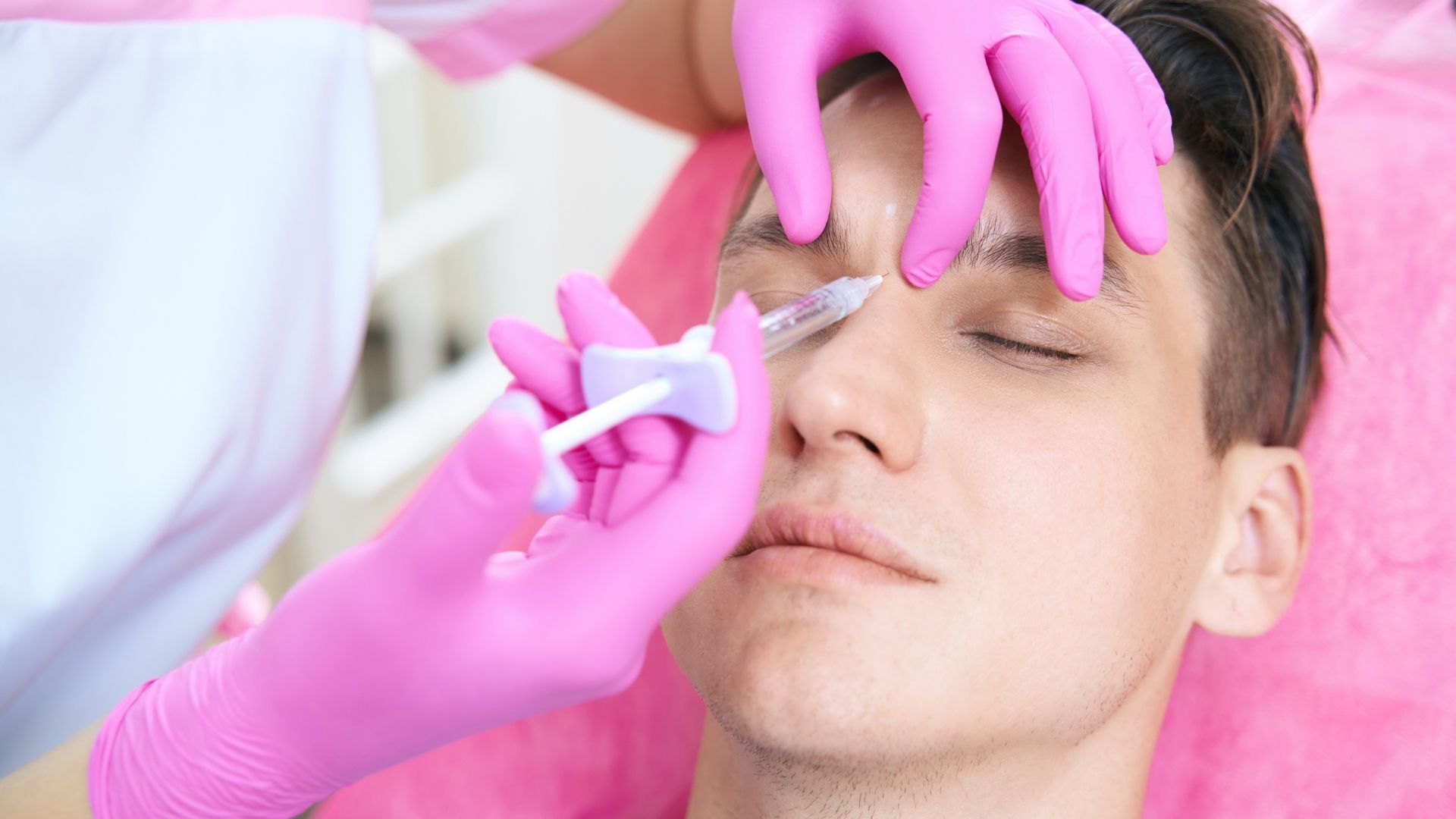
Not everyone needs Botox, and that is okay. A good provider will always evaluate whether the treatment makes sense for your goals.
Ideal Candidates
Most Botox patients are adults who notice dynamic wrinkles caused by facial expressions. These wrinkles show up when you smile, squint, or frown.
You may be a good candidate if:
- You want to reduce the appearance of wrinkles
- You have visible fine lines and wrinkles from facial movement
- You want a non-surgical cosmetic procedure
- You are generally healthy
Many patients say the same thing during consultation. They do not want to look different. They want to look less tired.
Botox is generally well-tolerated and widely used for cosmetic injections when performed by qualified providers.
Preventative Botox
Some patients begin Botox earlier than expected. People in their late 20s or early 30s sometimes start treatment to prevent deeper wrinkles.
Preventative Botox uses smaller doses of botulinum toxin injections to limit repeated muscle contraction. Less movement means the skin folds less often. Over time, this can slow the formation of wrinkles.
This approach is not necessary for everyone. Your provider will assess your facial muscles and skin condition before recommending it.
When Botox May Not Be Recommended
Certain medical situations require caution. Botox injections may not be appropriate for individuals with:
- Neuromuscular disorders
- Active infection at the injection site
- Pregnancy or breastfeeding
- Allergies to botulinum toxin ingredients
Your provider will also discuss the potential risk of serious side effects, though these are rare when injections are performed properly.
What to Expect During a Botox Consultation in Columbus, GA
Before any injections happen, a consultation should take place. This appointment helps determine if Botox is right for you.
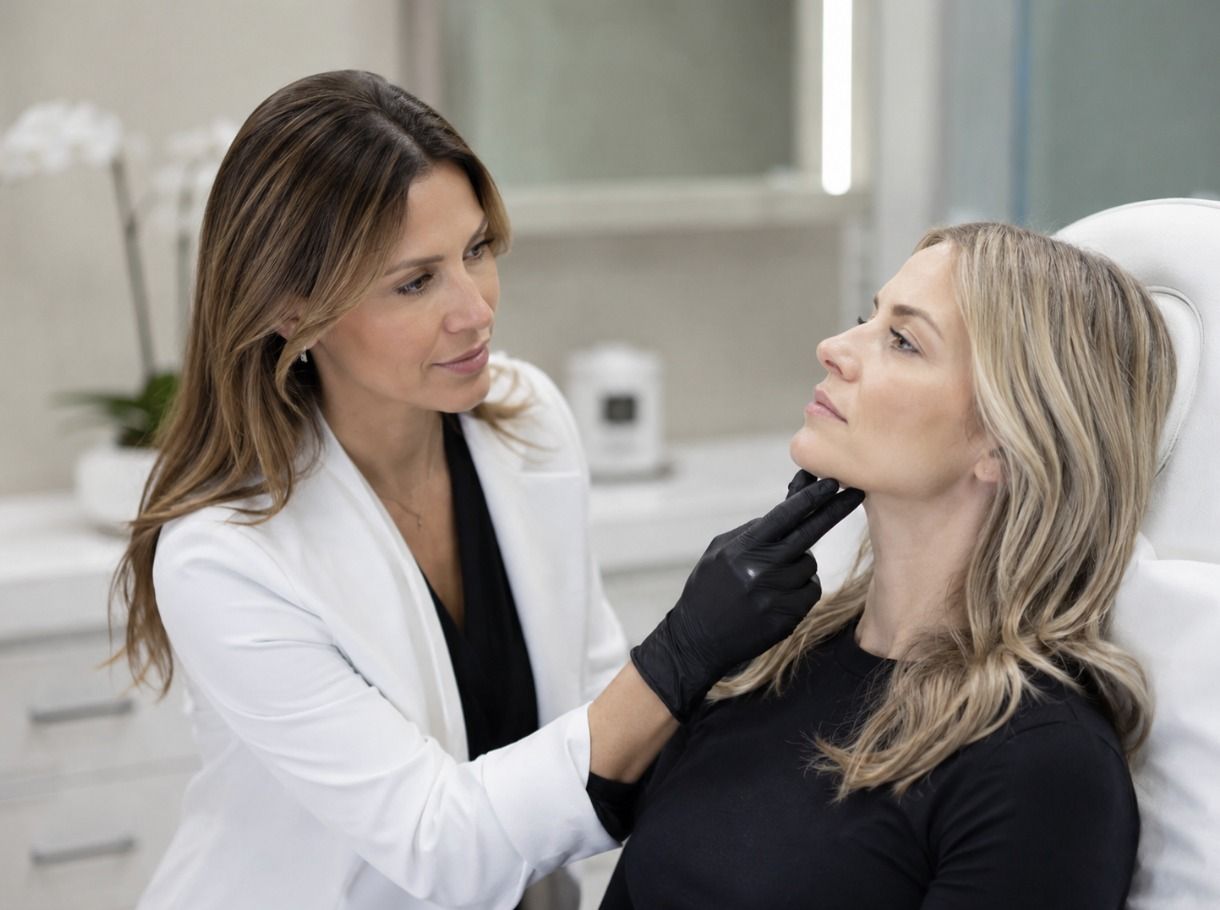
Personalized Facial Assessment
The provider begins by examining how your facial muscles move. You may be asked to smile, frown, or raise your eyebrows.
This assessment evaluates:
Facial muscle strength
- Skin elasticity
- Existing wrinkles
- Areas where muscles cause repeated creases
This step helps identify the muscles that cause wrinkles.
Discussing Your Goals
Next comes the conversation. You explain what bothers you most about your appearance.
Some patients want:
- Softer forehead lines
- Reduced crow’s feet
- Less tension between the eyebrows
Clear communication helps determine the correct treatment area and dosage.
Creating a Customized Treatment Plan
There is no universal Botox formula. The amount of Botox and placement of injections depend on your muscle activity. Experienced providers avoid over-treating. Too much toxin can cause muscle weakness in unwanted areas or unnatural expression.
Personalized dosing creates balanced results.
The Botox Injection Process
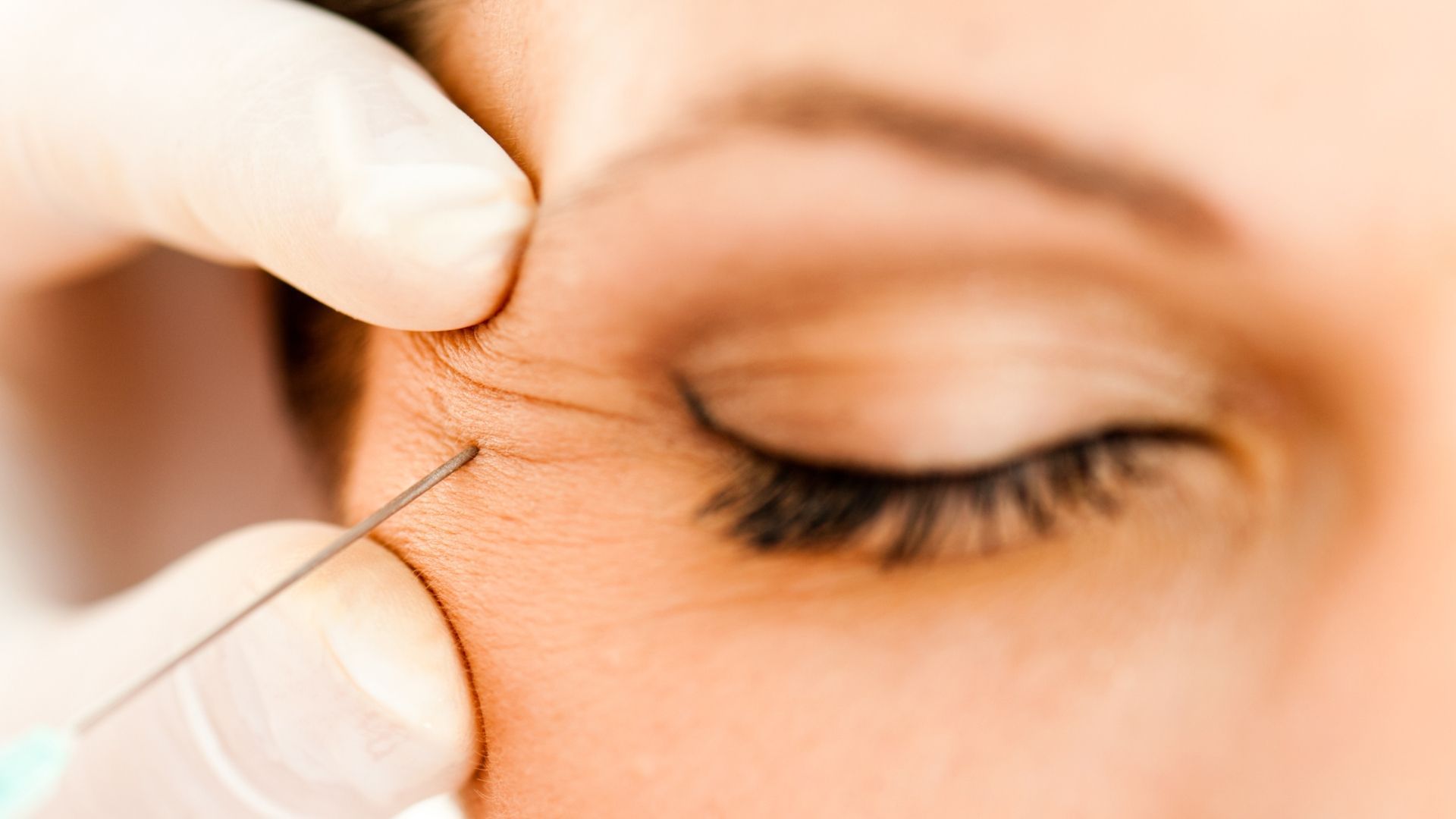
Many patients feel nervous before their first appointment. Once they experience the procedure, most realize it is simple and quick.
Preparation Before the Procedure
Your provider may recommend a few steps before getting Botox injections:
- Avoid alcohol for 24 hours
- Limit blood-thinning medications if medically safe
- Arrive with clean skin
These steps help reduce bruising at the injection site.
During the Injection Procedure
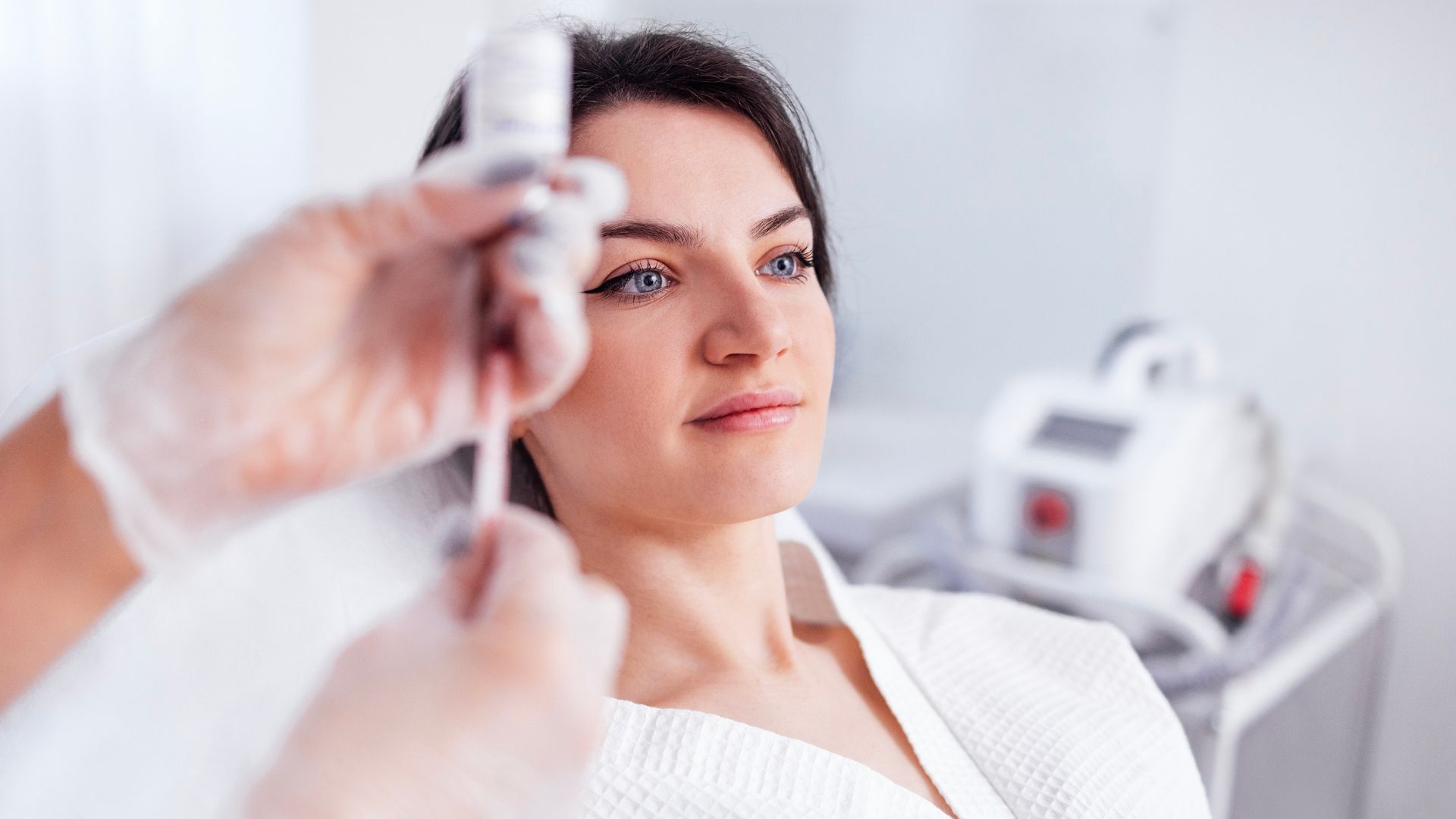
Botox injections are intramuscular injections delivered with a very small needle.
The process usually takes about 10 to 20 minutes.
Your provider will place several injections in different areas depending on your treatment plan. Each injection delivers a very small amount of botulinum toxin.
Many patients ask, “Do Botox injections hurt?”
Most describe the feeling as a quick pinch. The needles are extremely fine.
Immediately After Treatment
After treatment, you can return to most normal activities.
Some temporary reactions may include:
- Mild redness
- Small bumps at the injection site
- Minor bruising
These usually resolve within a few hours.
Botox Results Timeline
Botox results appear gradually. Understanding the timeline helps set realistic expectations.
Early Changes
Within three to five days after treatment, you may notice reduced muscle movement.
Wrinkles may still be visible at this stage. That is normal.
Full Results
Full results typically appear 10 to 14 days after treatment. At this point, facial muscles relax, and wrinkles soften.
Some patients return for a brief follow-up if small adjustments are needed.
How Long Do Results Last
Botox effects usually last three to four months.
Several factors influence how long results may last:
- Muscle strength
- Metabolism
- Amount of botulinum toxin used
- Frequency of treatments
With consistent treatments, many patients notice longer-lasting effects.
Safety and Possible Side Effects
Botox is considered safe when administered correctly. Still, every medical procedure carries some risks.
Common Side Effects
Most side effects are mild and temporary.
Common Botox side effects include:
- Bruising at the injection site
- Mild swelling
- Headache
These symptoms typically resolve quickly.
Rare but Serious Side Effects
Although uncommon, Botox injections may cause more serious reactions.
Possible side effects include:
- Temporary eyelid drooping
- Muscle weakness in nearby areas
- Difficulty swallowing in rare cases
Symptoms that spread beyond the injection area resemble botulism, though this is extremely rare in cosmetic treatments.
WebMD notes that the risk of serious side effects increases when injections are performed incorrectly or at excessively high doses.
Choosing a qualified medical provider greatly reduces these risks.
Botox Aftercare Tips
Aftercare is simple but important for the best results.
First Day After Treatment
During the first few hours:
- Stay upright for about four hours
- Avoid rubbing the injection site
- Skip facial massages
Pressure on treated areas may affect the placement of the toxin.
Activities to Avoid Temporarily
For the first 24 hours, avoid:
- Intense exercise
- Saunas or hot tubs
- Excessive heat exposure
Most patients can return to normal activities immediately after treatment.
Scheduling Follow-Up Treatments
Botox treatments typically repeat every three to four months to maintain smooth skin.
Your provider may recommend a personalized schedule depending on how quickly your muscles regain movement.
Frequently Asked Questions About Botox
1. How long does Botox last?
Botox results typically last three to four months. Some patients notice longer results after consistent treatments.
2. Do Botox injections hurt?
Most patients feel only a small pinch. Botox injections are shots delivered with very fine needles.
3. How many units of Botox will I need?
The amount of Botox depends on muscle strength and the treatment area. Stronger facial muscles require more units.
4. Can Botox look natural?
Yes. When done correctly, Botox softens wrinkles while preserving natural expression.
5. How often should Botox be repeated?
Most people schedule treatments every three to four months to maintain results.
Conclusion
Fine lines and wrinkles are a normal part of aging. They often appear from years of smiling, frowning, and squinting. Many people want a solution that looks natural and does not require surgery.
Botox injections offer a proven way to reduce the appearance of wrinkles by relaxing the muscles that cause them. The treatment is quick, minimally invasive, and widely studied.
The key to good results is choosing a trained provider who understands facial anatomy and safe injection techniques. At Selah Aesthetics and Wellness in Columbus, GA, treatments focus on clinical judgment, personalized care, and natural-looking outcomes.
If you are considering Botox, schedule a consultation to help determine whether this treatment fits your goals. Sometimes the smallest change can make the biggest difference in how you feel when you look in the mirror.

Lauren Hodge, MSN, FNP-C, is a board-certified Family Nurse Practitioner and aesthetic injector in Columbus, GA, with advanced training in regenerative medicine and aesthetics. She combines her background in pediatrics, pain management, and orthopedics with a passion for natural results, helping patients look and feel their best.
Share This Blog