Best Filler for Facial Balancing: A 2026 Guide

Editorial Team - MSN, FNP-C
Table of Contents
- What Facial Balancing Actually Means
- How Dermal Fillers Support Facial Harmony
- Cheek Filler for Facial Balancing: Restoring Midface Volume
- Best Dermal Filler for Chin: Projection and Lower-Face Definition
- Restylane vs. Juvéderm for Chin: What the Differences Mean
- Facial Balancing Cost: What to Budget and Why Pricing Varies
- Choosing the Right Injector for Natural Results
- Frequently Asked Questions
Last Updated: October 11, 2026
What Facial Balancing Actually Means
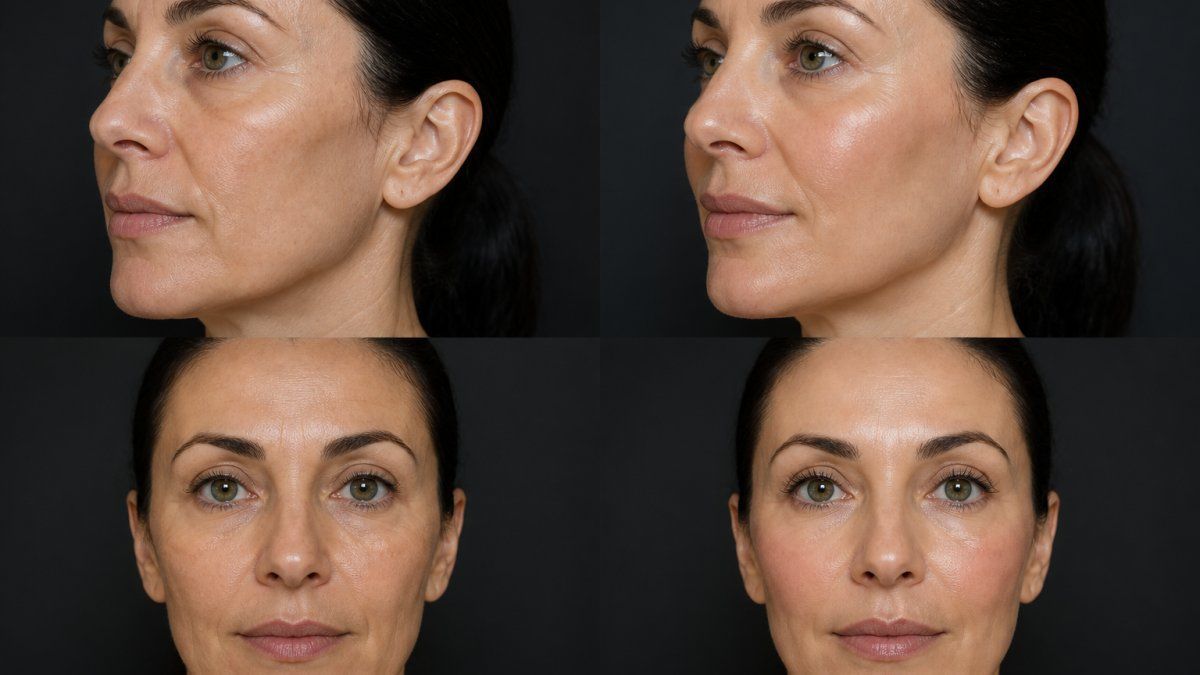
Facial balancing is the strategic use of dermal fillers to restore volume, define structure, and create harmony across the face. It's not about adding more product everywhere. It's about assessing your unique bone structure, fat distribution, and skin quality, then placing fillers exactly where they'll make the biggest difference.

At Selah Aesthetics and Wellness, we start every consultation with AURA facial analysis, assessing bone, fat, muscle, and skin as layers. We measure facial proportions, identify asymmetries, and determine where volume loss is happening, that's how we know what filler for facial balancing will actually work for your face.
Most people think facial balancing means plumping lips or adding cheek volume. It's broader: a recessed chin throws off your lower face, hollow under-eyes age you 10 years, and flattened cheeks make your face look tired. The right filler strategy addresses all of it, but only the areas that need it.
How Dermal Fillers Support Facial Harmony
Dermal fillers restore volume that depletes with age as collagen production slows and elastin breaks down. They replace lost volume and provide scaffolding for your skin.
Hyaluronic acid fillers hydrate and soften, working well for lips and fine lines. Radiesse stimulates collagen production and lasts longer, ideal for structural support on cheeks, chin, and jawline. The best filler for facial balancing depends on what you're trying to achieve and where.
Facial harmony happens when proportions align: cheeks frame your face, chin balances your forehead, and jawline defines your profile. When one area is deficient, the whole face feels off-balance. Strategic filler placement corrects that.
Cheek Filler for Facial Balancing: Restoring Midface Volume
Cheek filler for facial balancing isn't about creating high, sculpted cheekbones, it's about restoring the volume that sat there when you were younger.
When cheeks flatten, your face lengthens, nasolabial folds deepen, and your jawline blurs. Strategic filler placement in the cheek and midface lifts everything, shortens the lower face, and creates a more youthful proportion.
We place filler along the cheekbone and slightly forward for subtle lift. The goal is natural projection, not an apple-shaped cheek that screams "I got filler."
That's why the consultation matters: we assess, then recommend.
Best Dermal Filler for Chin: Projection and Lower-Face Definition
The chin anchors the lower face. A recessed or weak chin throws off your entire profile, making your neck look less defined and your jawline less sharp.
Best dermal filler for chin adds projection, moving the chin point forward slightly to create better proportion and improve the neck-to-chin angle, which is critical for profile harmony.
Chin filler is structural work, you're building support, not softening lines. Radiesse works exceptionally well here because it provides immediate volume and stimulates collagen production over time.
Placement is critical: too much looks unnatural, too little changes nothing. The right amount creates definition without drawing attention to itself.
Restylane vs. Juvéderm for Chin: What the Differences Mean
When researching best filler for facial balancing , you'll encounter multiple hyaluronic acid options that are not interchangeable. Understanding their structural properties helps explain why your injector recommends one over another for specific facial areas.
Filler Properties and How They Affect Results
Dermal fillers vary in three key ways: viscosity (thickness), particle size, and cross-linking density. These properties determine how a filler behaves in different facial zones.
Firmer, more cohesive fillers (such as Restylane Lyft or Radiesse) maintain their shape and provide structural support, resisting spread into surrounding tissue. They're ideal for the chin, jawline, and cheekbones, holding position and creating lasting projection without diffusing into the neck or lips.
Softer, more flexible fillers (such as Juvéderm Ultra or Volbella) integrate smoothly with surrounding tissue and adapt to facial movement, making them better for lips, under-eyes, and fine lines where flexibility prevents stiffness.
Why Chin Work Demands Structural Fillers
The chin is load-bearing and defines your profile. A recessed chin needs forward projection that lasts. Softer fillers can diffuse over time and lose definition, while firmer options like Restylane Lyft or Radiesse maintain structural support.
Radiesse stimulates collagen production over 3-6 months, extending results beyond the filler itself. Hyaluronic acid fillers simply replace volume until your body breaks them down.
Duration and Maintenance Planning
This difference matters for your maintenance schedule and long-term cost. If you choose a shorter-lasting filler, you'll need touch-ups more frequently. A longer-lasting option reduces appointments and keeps results more consistent year-round.
Your body's metabolism affects duration. Some patients may see fillers break down more quickly, which is why some need more frequent touch-ups, it's individual biology, not filler failure.
Choosing by Your Goals, Not Just Brand
The real question isn't "Restylane or Juvéderm?" but "What properties does my chin need?" For lasting projection and structural definition, choose a firmer, longer-lasting filler. For fine lines around the mouth or under-eyes, a softer option integrates better.
A skilled injector assesses your chin's projection, goals, and maintenance preferences before recommending a product. They explain why they're choosing firmness and duration for your face, not just naming a brand, that's how you know you're getting customized care.
Facial Balancing Cost: What to Budget and Why Pricing Varies
Facial balancing cost depends on how many areas you're treating, how much filler each needs, which type you choose, and how long you want results to last. The real cost is what you'll spend over a year or more to maintain results. (Source: American Society of Plastic Surgeons' statistics on cosmetic procedures)
Initial Treatment Cost
A single-area treatment (cheeks or chin) typically requires 1-2 syringes. Full-face work addressing cheeks, chin, jawline, and under-eyes may require 3-5 syringes or more, depending on your starting point and goals.
The higher upfront cost of Radiesse is offset by longer duration.
A board-certified injector with advanced training and a strong portfolio charges more than someone with basic certification. This price difference reflects experience and outcomes, not just overhead.
The Maintenance Cost You Need to Plan For
This is where most people underestimate the true cost of facial balancing. Fillers don't last forever. You'll need touch-ups to maintain results.
Hyaluronic acid fillers last 6-12 months in most areas. The chin and cheeks, which are structural zones, may hold filler slightly longer than lips or under-eyes. If you treat your entire face with hyaluronic acid fillers, plan for a full refresh every 9-12 months.
Radiesse lasts 12-18 months. Because it stimulates collagen production, some patients see results extend beyond the filler's breakdown. This means fewer annual appointments and more consistent results over time.
Real-World Maintenance Scenarios
Let's say you invest in full-face balancing with hyaluronic acid filler. In one year, you'll need a refresh. If you maintain the same plan, you're spending annually. Over five years, that's a significant investment before any adjustments or additional areas.
If you choose Radiesse instead, because it lasts longer, you might need fewer touch-up syringes. Over five years, you're spending less, with fewer appointments and more stable results.
These are estimates. Your actual costs depend on your metabolism, the areas treated, and how aggressively you want to maintain results.
Individual Variation in Duration
Not everyone's filler lasts the same length of time. Patients with faster metabolic rates may metabolize filler more quickly. Some see results fade more quickly than the standard.
Injection technique also affects longevity. Filler placed deeper in the dermis or subcutaneous layer may last longer than filler placed more superficially. Your injector's placement strategy influences how long your results hold.
Budgeting for Your Specific Plan
Before committing to facial balancing, ask your injector:
- How many syringes do you recommend for my initial treatment?
- Which filler type are you recommending, and why?
- How long should I expect results to last based on my face and metabolism?
- When should I schedule my first touch-up?
- What's the typical annual cost to maintain this plan?
A good injector can give you a realistic maintenance timeline and cost projection. They'll explain why they're recommending a specific filler type and how its duration affects your long-term investment. That conversation is how you avoid surprises and budget accurately.
Choosing the Right Injector for Natural Results
The best filler for facial balancing in the wrong hands looks overdone. The mediocre filler in expert hands looks expensive.
Your injector's training matters. Board certification in aesthetics means they've passed rigorous exams on facial anatomy, injection techniques, and safety protocols. But certification alone isn't enough. Advanced training in facial balancing, lip work, and neurotoxin application separates good injectors from great ones.
Ask about their experience. How many facial balancing cases have they done? Can they show before-and-afters? Do their results look natural or overdone? Do they assess first or sell first?
Red flags: an injector who immediately recommends the maximum amount of filler, who doesn't ask detailed questions about your goals, who treats every face the same way, or who won't discuss risks and realistic outcomes.
Good injectors will tell you no. They'll say, "You don't need that." They'll recommend against a treatment if it won't serve you. That honesty is how you know you're in the right place.
At Selah Aesthetics and Wellness, every patient starts with Selah Face Value, a comprehensive head-to-toe consult with AURA facial analysis and layer-by-layer assessment. We don't quote a price until we understand your face. We don't recommend a treatment unless it's actually right for you. That's the standard for natural, balanced results.
The difference between looking refreshed and looking overfilled comes down to one thing: assessment before treatment. Your face is unique. Your proportions are different from anyone else's. The best filler for facial balancing is the one that addresses your specific asymmetries and volume loss, placed by someone who understands facial anatomy and knows when to say no.
At Selah Aesthetics and Wellness, we specialize in facial balancing with a focus on regenerative aesthetics and natural results. Our approach starts with AURA facial analysis and a thorough assessment of bone, fat, muscle, and skin. We use Radiesse and advanced techniques to create structure that lasts. Book a consultation with our team, and we'll show you exactly what balanced facial proportions can do for your confidence.
Frequently Asked Questions
What is the difference between facial balancing with fillers versus Botox?
Facial balancing with fillers restores volume and structure by adding substance to areas like cheeks, chin, and jawline. Botox relaxes muscles to smooth dynamic wrinkles. Fillers address loss of volume and bone structure; Botox addresses movement-related lines. Many balanced faces use both: fillers build structure, Botox softens expression lines. A qualified injector assesses your facial anatomy to determine which, or both, serves your goals.
How long do results from facial balancing fillers typically last?
Results fade gradually; many patients return for touch-ups to maintain their look. Your injector will discuss a maintenance timeline during your consultation so you can plan accordingly.
Is facial balancing with fillers safe, and what are the main risks?
Dermal fillers are FDA-approved and generally safe when administered by a qualified, licensed professional. Common temporary side effects include bruising, swelling, and tenderness. Rare but serious risks include vascular occlusion (filler blocking blood flow) and infection. Choosing an injector with advanced training in facial anatomy and emergency protocols significantly reduces risk. Always disclose allergies, medications, and medical history during your consultation.
How do I know if facial balancing with filler is right for me?
Facial balancing addresses volume loss, asymmetry, or lack of definition in areas like cheeks, chin, and jawline. If you notice your face looks tired, hollow, or imbalanced, or if you want subtle enhancement, a professional facial assessment can determine if fillers fit your goals. A qualified injector will be honest about whether treatment is necessary or if other options might serve you better. A consultation is the first step; there's no obligation to proceed.

Lauren Hodge, MSN, FNP-C, is a board-certified Family Nurse Practitioner and aesthetic injector in Columbus, GA, with advanced training in regenerative medicine and aesthetics. She combines her background in pediatrics, pain management, and orthopedics with a passion for natural results, helping patients look and feel their best.
Share This Blog