What Are the Best Treatments for Sensitive Skin?

Editorial Team - MSN, FNP-C
Last Updated: November 23, 2026
Quick Summary
The best treatments for sensitive skin start with a gentle routine: lukewarm water, a fragrance-free mild cleanser, and a ceramide moisturizer to repair the skin barrier. Targeted treatments are then chosen based on your main symptom and its cause, and clinical options are reviewed with a provider when home care is not enough.
- Use lukewarm water and a fragrance-free, mild cleanser once or twice a day.
- Choose moisturizers with ceramides and glycerin to replace lost lipids and draw in water.
- Introduce one new product at a time and wait two to three weeks before adding another.
- Patch test a new product on a discreet area once or twice a day for three to five days.
- See a provider if reactions blister, spread, or persist for several weeks despite gentle care.
Table of Contents
- What Counts as Sensitive Skin and Why It Reacts
- What Are the Best Treatments for Sensitive Skin?
- Regenerative Aesthetics for Skin Barrier Repair in Columbus, GA
- Dermatologist Recommended Sensitive Skin Treatments: How to Compare Options
- Medical Grade Skincare for Sensitive Skin: What to Look For
- Patch Testing, Personal Triggers and When to See a Provider
- Booking a Sensitive Skin Consultation in Columbus
- Frequently Asked Questions
What Counts as Sensitive Skin and Why It Reacts
Sensitive skin is a state, not a diagnosis, and many people find that reactivity settles within a few weeks once they stop exposing their skin to known triggers. This guide covers how those reactions happen and which treatments tend to help. (Source: U.S. Food and Drug Administration guidelines on cosmetic labeling)
The skin barrier is the outer layer that holds moisture in and keeps irritants out. When it is thinned or disrupted, water escapes and irritants penetrate more easily, which is why reactive skin responds to products that would normally be harmless.
Common symptoms: redness, itching, burning, dryness and stinging
The symptoms people report most often are redness, itching, burning, dryness and stinging. Stinging right after applying a product usually points to an active ingredient or an alcohol base that the barrier cannot tolerate at the moment.
Symptoms that spread, blister, weep, or stay after you stop a product are a reason to see a qualified provider rather than continue home experiments.
Typical triggers and when to suspect contact dermatitis
Common triggers include fragrance, essential oils, alcohol-heavy toners, harsh scrubs, hot water, wind and sun exposure, and new products introduced all at once. Contact dermatitis is an allergic or irritant reaction to a specific substance, and it often looks like a rash limited to the area where the product touched the skin ( the American Academy of Dermatology).
What Are the Best Treatments for Sensitive Skin?
The most effective approach combines a gentle daily routine with targeted treatments chosen for the cause and severity of the reactivity. There is no single best product for everyone, but the core steps below work for most people with reactive skin.
Gentle cleansing, lukewarm water and mild soap
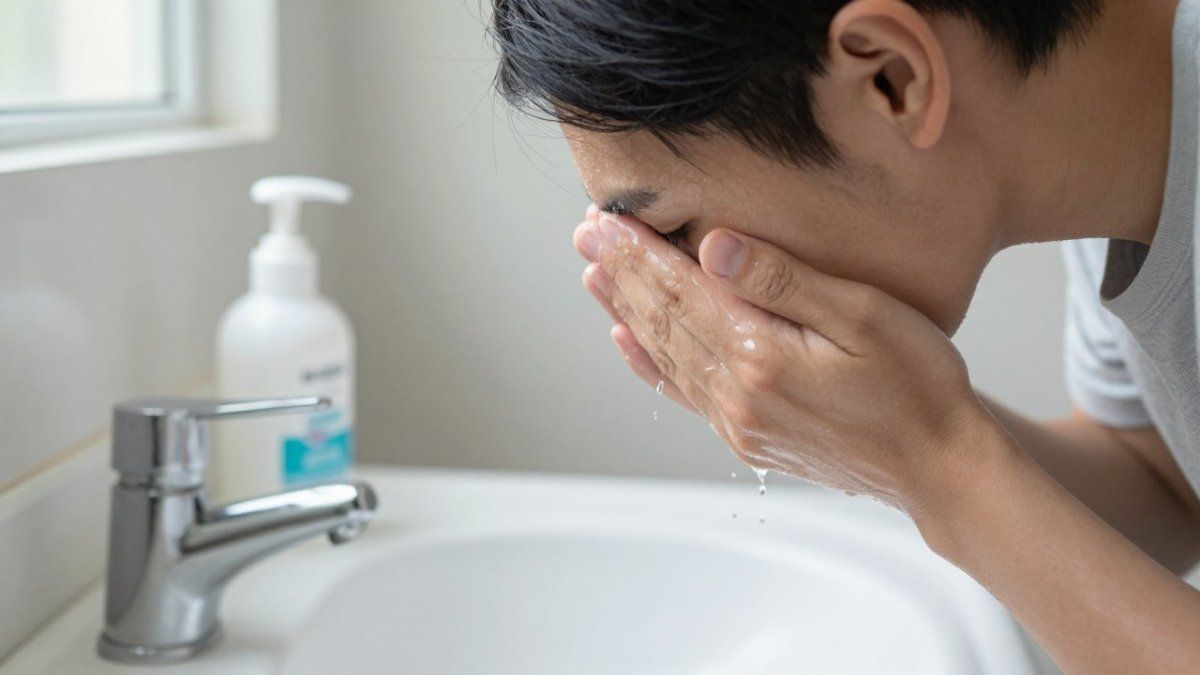
Wash with lukewarm water and a fragrance-free, mild cleanser once or twice a day. Hot water strips lipids that the barrier needs, so keep showers and face washing short. Pat the skin dry rather than rubbing it. Many people with sensitive skin do better with a cleanser labeled non-comedogenic and alcohol-free, especially if they also have acne-prone areas.
Moisturizing and ingredients that soothe: ceramides, glycerin, colloidal oatmeal
Moisturizer is the foundation of barrier repair. Look for ceramides, which replace the lipids the skin has lost, along with glycerin, which draws water into the outer layer. Colloidal oatmeal is a traditional soothing ingredient that many people find calming for redness and itch.
Introduce one new product at a time and wait two to three weeks before adding another, so you can identify what helps and what irritates.
Regenerative Aesthetics for Skin Barrier Repair in Columbus, GA
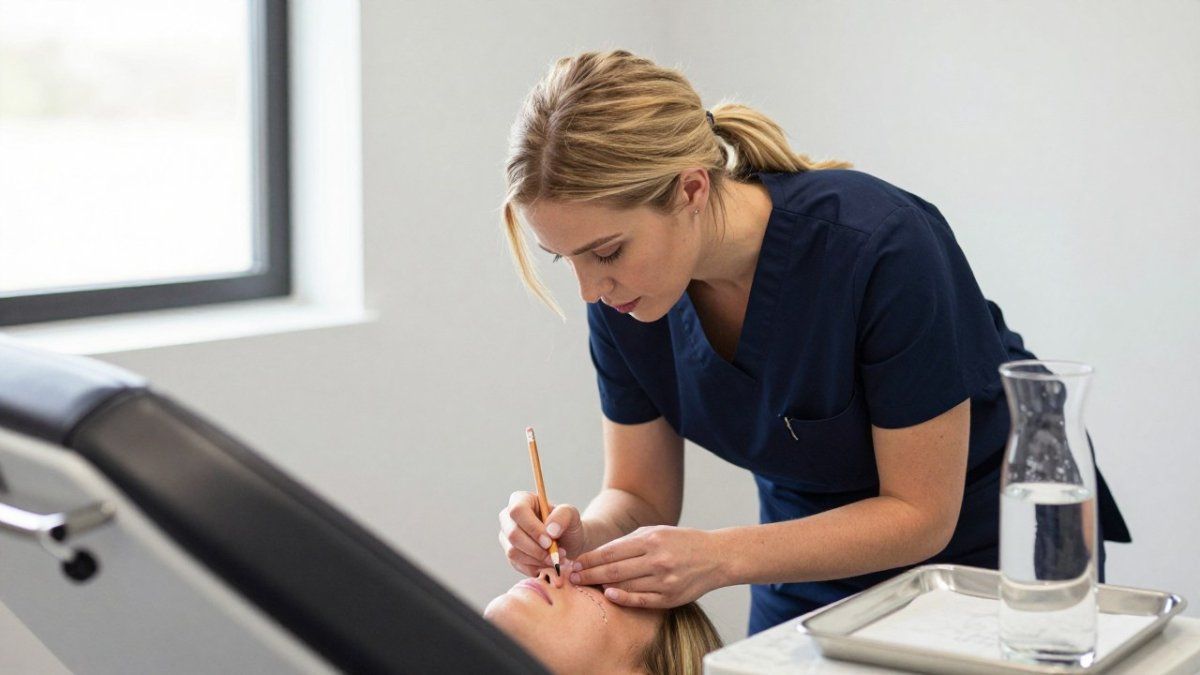
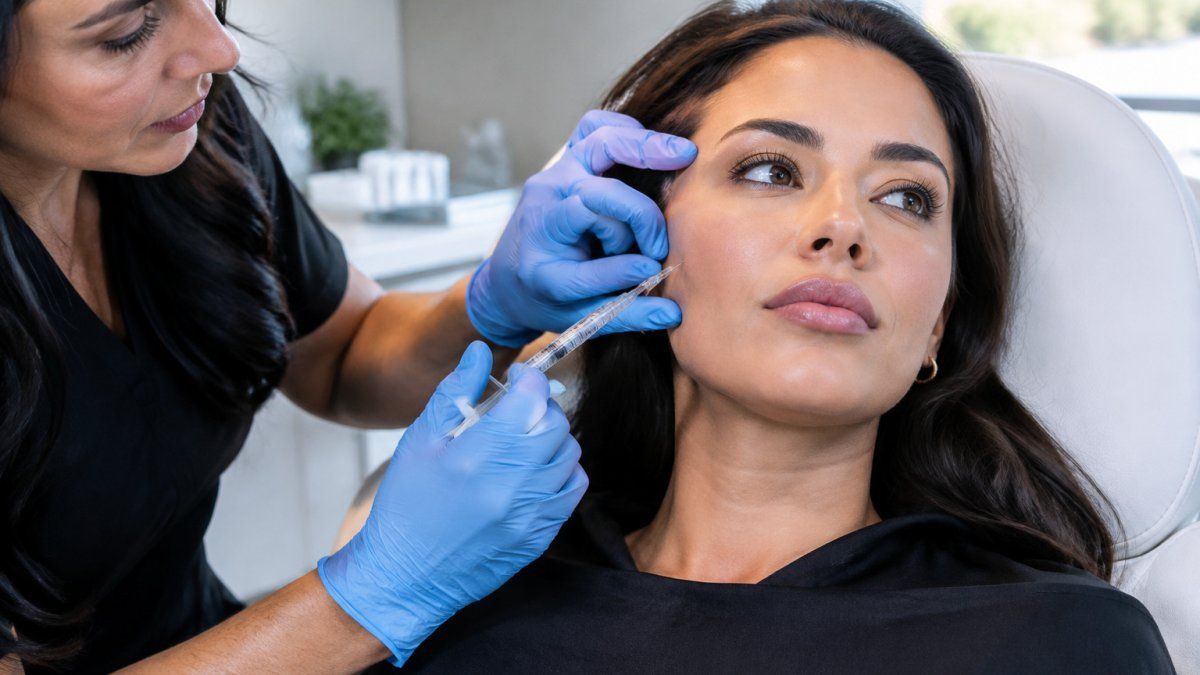
When home care is not enough, regenerative treatments can support barrier recovery in a clinical setting. Selah Aesthetics and Wellness offers regenerative medicine as part of a broader plan for skin health, and patients who are considering options can review the plasma pen treatments and PRP treatment for the face in Columbus before a consultation.
Pricing depends on the specific plan and your skin's needs, so please contact the clinic directly for current pricing or a quote.
Dermatologist Recommended Sensitive Skin Treatments: How to Compare Options
Choosing between treatments is easier when you compare them by the symptom you have, the cause behind it, and how much downtime you can accept. When downtime is a concern, comparing ways to treat sensitive skin without needles can help keep the choice aligned with both the symptoms and the underlying barrier.
A common approach is to start with the least aggressive option that addresses your main concern.
Treatment comparison by symptom, cause and downtime
| Main concern | Likely cause | Typical starting option | Downtime |
|---|---|---|---|
| Stinging and dryness | Barrier loss | Ceramide moisturizer, gentle cleanser | None |
| Redness and itch | Irritant or contact reaction | Remove trigger, soothing moisturizer | None to a few days |
| Persistent flushing | Reactive vascular skin | Clinical assessment before any device | Varies by treatment |
| Texture and dullness | Chronic barrier stress | Clinical facial or device-based repair | Little to several days |
Medical Grade Skincare for Sensitive Skin: What to Look For
"Medical grade" is a loosely used term rather than a regulated category in the United States, so the label alone tells you little. What matters is the ingredient list, the concentration, and whether a clinician is guiding how you use the product. What matters is the ingredient list, the concentration, and whether a clinician is guiding how you use it.
Read the ingredient list in this order
Start with what is left out. Fragrance, essential oils, drying alcohols, and abrasive scrubs are the most common triggers for reactive skin, and a shorter list with fewer botanicals is usually safer to trial.
Ingredients that most practitioners find well tolerated when introduced slowly include:
- Ceramides and cholesterol to replace barrier lipids
- Glycerin and hyaluronic acid as humectants that draw water into the outer layer
- Niacinamide at lower concentrations for redness and barrier support
- Azelaic acid for redness and mild acne-prone sensitivity
- Colloidal oatmeal for itch and irritation
- Mineral sunscreen filters such as zinc oxide and titanium dioxide
Ingredients to approach cautiously include strong alpha-hydroxy acids, high-concentration retinoids, benzoyl peroxide, and physical scrubs. These are not permanently off-limits, but they are better introduced after the barrier has settled and only one at a time.
A practical product-selection framework
A common pattern among clinicians is to build a four-step core before adding anything else: a fragrance-free gentle cleanser, a ceramide moisturizer, a mineral sunscreen of at least SPF 30, and one soothing treatment.
Watch out: a product labeled "for sensitive skin" can still contain fragrance or essential oils, so the marketing claim is not a substitute for reading the label.
Where to buy medical grade lines in Columbus, GA
Medical grade lines are often purchased through a dermatology practice, an esthetics clinic, or a licensed provider rather than a drugstore shelf.
Pricing varies by line and product, so please contact the clinic directly for current pricing. If a provider cannot explain why a specific active is in the formula and how to introduce it, that is a reason to slow down rather than buy the full set.
Patch Testing, Personal Triggers and When to See a Provider
Most people with sensitive skin can identify their main triggers with a structured approach at home, and the cases that do not resolve are the ones that benefit from formal evaluation. The goal is to separate temporary irritation from a pattern that needs a clinician.
At-home patch testing, step by step
Apply a small amount of the new product to a discreet area, behind the ear, along the jawline, or the inner forearm, once or twice a day for three to five days. Leave it uncovered and do not apply anything else to that spot. A reaction that appears only where the product was applied, and fades when you stop, points to that product. A reaction that spreads beyond the test area is a reason to stop and seek advice rather than continue testing.
Watch out: a product can pass a 24-hour patch test and still cause a reaction after several days of regular use, which is why the multi-day window matters.
Keep a trigger diary that actually works
Record four things for each new product: the product name and full ingredient list, the date you started, the body area where you applied it, and any symptom with its timing. Introduce one new product every two to three weeks so a reaction can be attributed to a single variable. Photograph reactions in consistent lighting, because redness is easy to misjudge from memory. After four to six weeks, patterns usually emerge, a fragrance, a specific preservative, or a category such as foaming cleansers.
When formal patch testing is worth discussing
Formal patch testing is a clinician-supervised procedure that applies small amounts of suspected allergens to the back under patches, typically over several visits across about a week ( the American Academy of Dermatology). It is most useful when reactions are persistent, recur in the same location, or do not resolve after you have removed obvious triggers. It is not a first step for mild, occasional stinging.
When sensitivity needs medical evaluation
See a provider if any of the following apply:
- Reactions are severe, blister, weep, or leave marks
- Symptoms spread beyond the area where a product was applied
- Redness, itching, or stinging persists for several weeks despite gentle care
- Sensitivity appears alongside other changes such as hair thinning, fatigue, or joint symptoms
- You cannot identify a trigger after several weeks of careful tracking
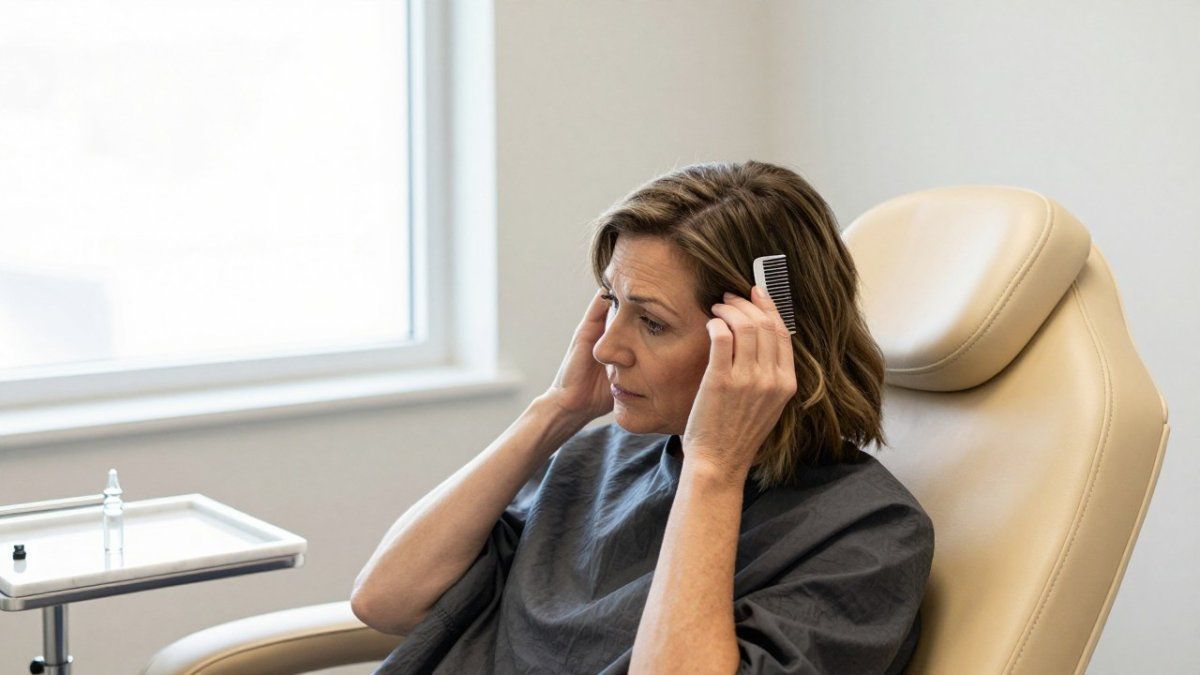
Persistent facial redness can also reflect rosacea or another inflammatory condition rather than simple barrier sensitivity, and those conditions are managed differently. If sensitive skin shows up alongside hair thinning, the guide to when sudden hair thinning warrants a medical evaluation explains when to seek a medical evaluation. A provider can distinguish between them, which is why a clear triage step is worth taking before buying another round of products.
Finding qualified care in Columbus, GA
In Columbus, look for a board-certified dermatologist or a licensed esthetician working under clinical oversight, and ask three questions before booking: whether they routinely evaluate sensitive or reactive skin, whether they offer patch testing or refer for it, and what a first visit includes. Ask whether a practice accepts your insurance for a medical evaluation, since cosmetic consultations are often handled differently from medical dermatology visits. General information here cannot substitute for an assessment of your individual skin.
Booking a Sensitive Skin Consultation in Columbus
A consultation is the right next step when your skin keeps reacting despite careful home care. A consultation with a qualified provider typically begins with an assessment before any treatment is recommended. You can contact the clinic to ask about a sensitive skin consultation in Columbus.
Frequently Asked Questions
What is the best treatment for very sensitive skin?
There is no single best treatment for every person with very sensitive skin. The most effective approach usually starts with identifying triggers, switching to a gentle, fragrance-free cleanser, and using a moisturizer with barrier-supporting ingredients such as ceramides, glycerin or colloidal oatmeal. If redness, burning or stinging persists for several weeks, a consultation with a licensed provider can help determine whether a medical-grade product or in-office treatment is appropriate. Treatment choices depend on your skin type, the underlying cause and your tolerance for downtime.
What is extremely sensitive skin a symptom of?
Extremely sensitive skin is often linked to a weakened skin barrier, which allows irritants and moisture loss to occur more easily. It can also accompany contact dermatitis, eczema, rosacea or reactions to skincare ingredients such as fragrance or alcohol. Hormonal shifts can make skin more reactive for some people. Because several conditions can look similar, persistent symptoms deserve a professional evaluation rather than repeated product changes.
Can medical-grade facials be safe for extremely sensitive skin?
Medical-grade facials can be appropriate for sensitive skin when a licensed provider assesses your skin first and adjusts the treatment to your tolerance. Providers typically start with gentler protocols, avoid aggressive exfoliation during flare-ups and may recommend a patch test before a full session. Tell your provider about any history of reactions, current medications and recent treatments. Some sensitive skin conditions are not good candidates for facials, so an honest consultation matters.
How does hormone therapy impact skin sensitivity?
Hormone shifts from perimenopause, testosterone changes or other endocrine factors can affect oil production, hydration and how reactive the skin feels. Some people notice more dryness, flushing or irritation during these periods. Hormone therapy may influence skin condition, but results vary and it is not a skincare treatment on its own. If you are considering hormone therapy, discuss both your symptoms and your skin concerns with a licensed provider so your overall plan is coordinated.

Lauren Hodge, MSN, FNP-C, is a board-certified Family Nurse Practitioner and aesthetic injector in Columbus, GA, with advanced training in regenerative medicine and aesthetics. She combines her background in pediatrics, pain management, and orthopedics with a passion for natural results, helping patients look and feel their best.
Share This Blog