Body Contouring in Columbus, GA: Proven Ways to Sculpt Your Shape Without Surgery

Lauren Hodge - MSN, FNP-C
You eat clean. You stay active. You still see pockets of fat that refuse to move.
That is usually the moment people start looking into body contouring.
This is a common problem. Excess fat can stay behind even after significant weight loss or long-term diet and exercise. The body holds onto certain fat cells, especially in the abdomen, under the chin, and around the waist. No amount of crunches or cardio fixes that.
The solution does not always require plastic surgery or a surgical procedure. Non-surgical body contouring gives you a way to target specific areas of the body without incisions, long recovery, or time off work. At Selah Aesthetics and Wellness in Columbus, GA, we focus on injectable body sculpting options that destroy fat cells safely and gradually.
This article explains how body contouring works, what it can and cannot do, and which treatment options make sense if you want to improve the shape of your body without surgery.
What Body Contouring Really Means and What It Does Not
Body contouring sounds simple, but expectations matter. Before choosing a body contouring procedure, you need to understand what it is designed to do.
Body Contouring vs Weight Loss
Body contouring does not replace weight loss. It does not work like bariatric surgery, a tummy tuck, or cosmetic surgery meant to remove excess skin. Body contouring focuses on localized fat reduction, not total body weight.
You can be at an ideal body weight and still have stubborn fatty tissue. Body contouring helps reshape those areas. It improves the appearance of the skin and the overall body shape, but it will not change the number on the scale.
Non-Surgical vs Surgical Body Contouring
Surgical body contouring includes procedures like liposuction, abdominoplasty, and breast lift surgery. These require incisions, anesthesia, and downtime. Plastic surgeons often recommend them after major weight loss or when excess fat and skin cause functional problems.
Non-invasive body contouring works differently. No incision is required. Procedures are performed in a medical center, and you go home the same day. These treatments appeal to people who want results without surgery and without the risks tied to surgical procedures.
How Injectable Fat Dissolvers Work Inside the Body
Understanding how these treatments work helps you decide if you are a good candidate for body contouring.
Understanding Deoxycholic Acid
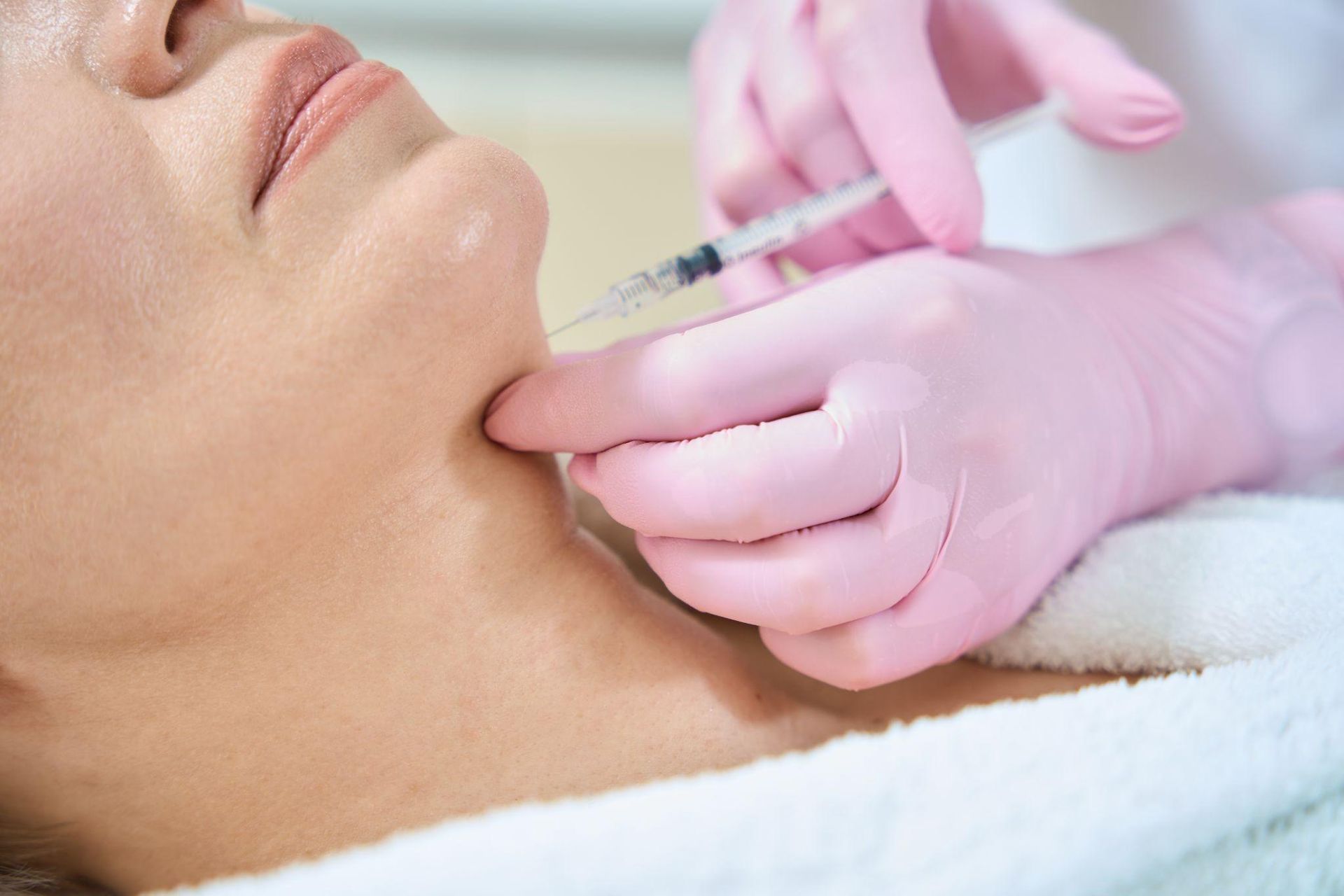
Kybella and PCDC both rely on deoxycholic acid, a prescription medicine used in adults. Your body already produces this acid to break down dietary fat. When injected into a treatment area, it targets fat cells directly.
The fat cell membrane breaks apart. Once that happens, the fat cell is destroyed permanently. Kybella is approved by the FDA for submental fat, also called fat below the chin.
What Happens After Fat Cells Are Destroyed
Once fat cells are destroyed, your body removes them naturally over several weeks. This is why results appear gradually. Fat cells are gone for good, but weight gain can still enlarge remaining fat cells. Research summarized by AEDIT confirms that fat dissolvers work best when weight remains stable after treatment.
Proven Ways to Sculpt Your Shape With Injectable Body Contouring
Not all areas respond the same way. Each treatment area needs a different approach.
Sculpting Submental Fat With Kybella
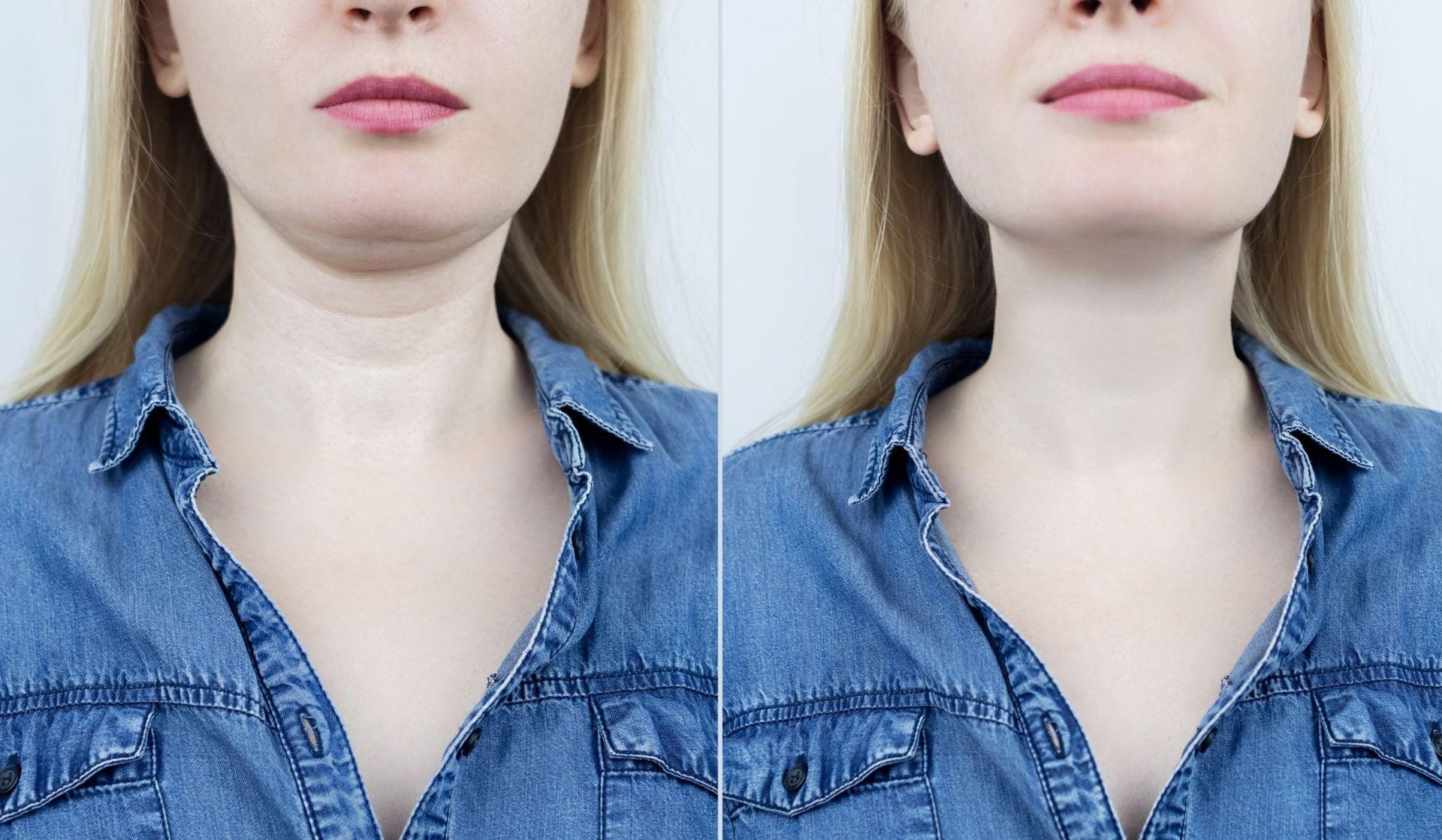
This is one of the most common reasons people seek body contouring. Severe fat below the chin can change facial balance and age the face.
Kybella treats submental fat directly. It helps define the jawline and improves the appearance of the lower face. Most people need multiple sessions spaced several weeks apart.
Refining the Jawline and Lower Face
After reducing submental fat, the jawline often looks sharper. This improves facial symmetry without dermal filler or cosmetic surgery. The goal is a natural contour, not an artificial look.
Contouring the Abdomen With PCDC
The abdomen holds fat stubbornly. Even people who exercise regularly struggle here. PCDC works well for moderate to severe fat in the abdomen. This option avoids liposuction and avoids a tummy tuck. No incision is involved. Treatments may involve multiple sessions to reach the desired result.
Slimming the Thighs for Better Proportion
Inner and outer thighs collect fat easily. Injectable body contouring helps reduce bulk and improve leg shape without surgery to correct the area.
Reducing Flank and Love Handle Fat
Flanks respond well to fat dissolvers. Treating this area helps define the waist and improve how clothes fit. Many patients notice changes within weeks.
Treating Bra Bulge and Upper Back Fat
Upper back fat affects clothing fit more than people expect. Body contouring treatments help smooth this area and improve posture appearance.
Enhancing Overall Body Symmetry
Treating more than one area often produces better balance. Strategic planning matters. A professional approach avoids uneven results and protects skin integrity.
Kybella vs PCDC: Choosing the Right Treatment
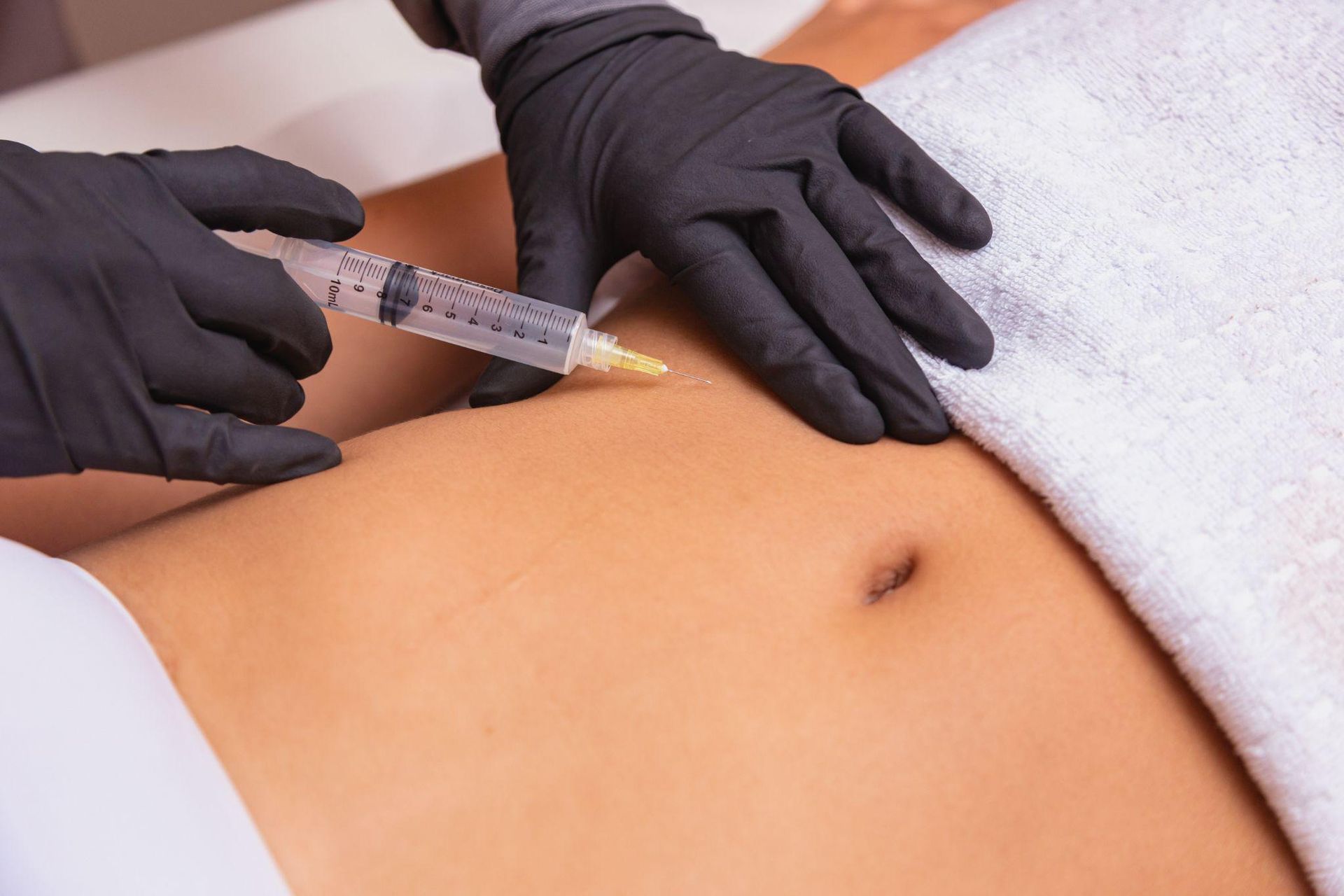
Not every injectable works the same way. Choosing correctly protects your results and your safety.
When Kybella Is the Better Option
Kybella works best for:
- Submental fat
- Small treatment areas
- Patients wanting FDA-approved treatment
When PCDC Makes More Sense
PCDC works better for:
- Abdomen
- Thighs
- Flanks and back
It treats larger areas of the body more efficiently than Kybella.
Why Professional Assessment Matters
Improper dosing increases side effects. Poor placement affects results. Talk to your healthcare provider before choosing any body contouring procedure.
What to Expect During a Body Contouring Treatment

Knowing what happens reduces anxiety and improves outcomes.
Consultation and Planning
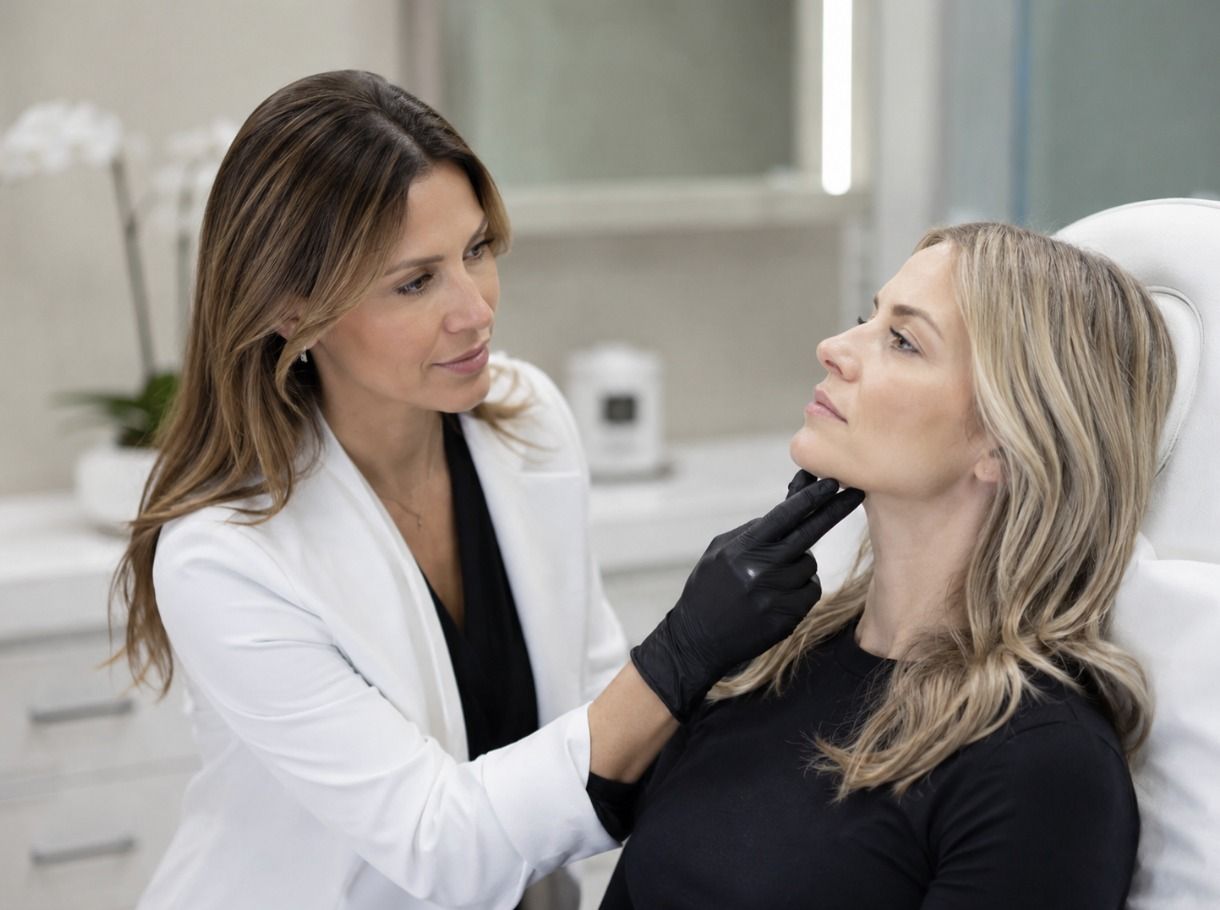
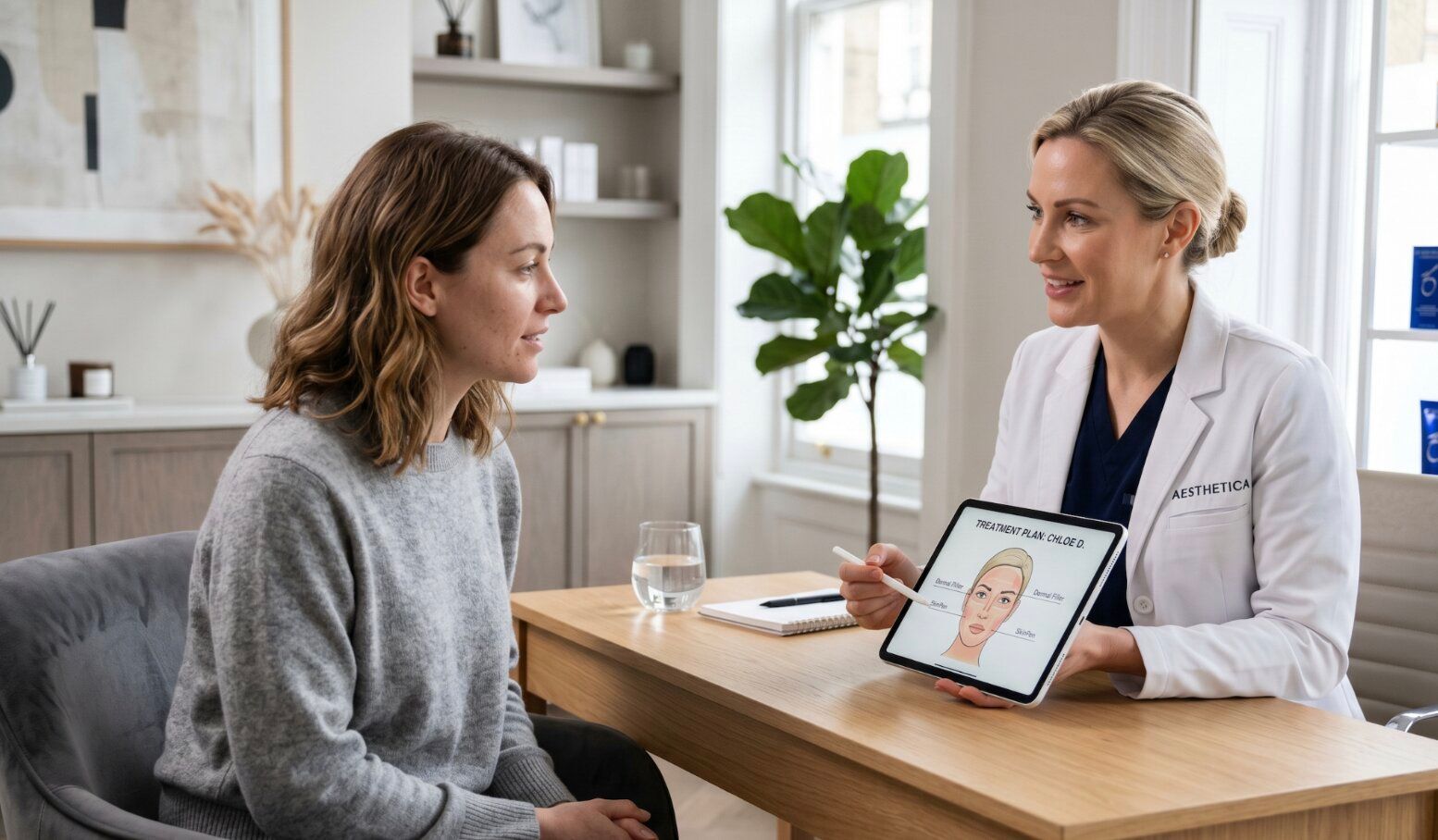
You start with a medical evaluation. Your provider reviews medical history, skin quality, fat distribution, and lifestyle habits.
During the Procedure
Procedures take place in a medical center. The provider marks the treatment area and injects the solution. Most sessions last under an hour.
Treatment Timeline
Most people need 3 to 5 sessions spaced 4 to 6 weeks apart. You go home the same day.
When You See Results
Results appear gradually. Fat cells are destroyed and removed over time. Final results show after several months.
Common Side Effects
Common side effects include:
- Swelling
- Tenderness
- Firmness
Side effects include temporary discomfort that improves within days.
Maintaining Your Results
Stable weight matters. Lifestyle changes support long-term success. Diet and exercise still play a role.
Why Choose Selah Aesthetics and Wellness
Where you get body contouring matters. These treatments may be non-surgical, but they are still medical procedures that require experience and careful planning.
At Selah Aesthetics and Wellness, every treatment starts with a medical consultation. We take time to understand your goals, review your health history, and decide if body contouring is right for you. If it is not, we tell you honestly.
Our focus is on non-surgical body contouring treatments like Kybella and PCDC. These options allow you to target excess fat without surgery, incisions, or long downtime. Treatments are done in a medical setting, and you go home the same day.
Patients choose Selah because the care feels personal. You are listened to, your questions are answered, and your results are monitored. The goal is simple. Help you feel confident in your body and comfortable with your care.
Body Contouring Treatment Options at a Glance
Not all body contouring treatments work the same way, and seeing the differences side by side can make the decision much easier.
| Treatment | Best For | Invasive | Downtime |
|---|---|---|---|
| Kybella | Submental fat | No | Little to no |
| PCDC | Abdomen, thighs, flanks | No | Minimal |
| Liposuction | Larger fat removal | Yes | Weeks |
| Tummy tuck | Excess skin and fat | Yes | Extended |
Frequently Asked Questions
1. Are fat cells destroyed permanently with body contouring treatment?
Yes, fat cells are destroyed permanently. Treatments like Kybella and PCDC break down fat cells so your body can remove them naturally, and once those fat cells are gone, they do not grow back. As long as your weight stays stable, the treated area should not regain fat.
2. How many body contouring treatments will I need?
Most patients need three to five treatments. The exact number depends on the treatment area, how much excess fat is present, and how your body responds. Sessions are usually spaced several weeks apart to allow the body time to clear destroyed fat cells.
3. Is non-surgical body contouring painful?
No, non-surgical body contouring is generally well tolerated. You may feel pressure, stinging, or warmth during the injections, but numbing techniques are used to reduce discomfort. Any soreness or swelling afterward is usually mild and temporary.
4. Can fat come back after body contouring treatment?
No, treated fat does not come back, but remaining fat cells can enlarge with weight gain. The fat cells destroyed during treatment are permanently removed, but weight gain can cause other fat cells in the area to grow, which may affect your results.
5. Who is not a good candidate for body contouring?
People with pregnancy, active infections, or significant excess skin are usually not good candidates. Body contouring works best for localized fat reduction, not for removing extra skin or treating certain medical conditions. A medical consultation is needed to determine if non-surgical body contouring is safe and appropriate for you.
Conclusion: Is Body Contouring Right for You?
Body contouring can help when diet and exercise stop delivering results. Non-surgical body contouring offers a way to reshape specific areas without surgery, incisions, or long recovery.
Kybella and PCDC work best for people near their ideal body weight who want targeted fat reduction. A proper consultation ensures safety and realistic outcomes.
If stubborn fat is holding you back, schedule a consultation at Selah Aesthetics and Wellness in Columbus, GA. The right plan makes all the difference.

Lauren Hodge, MSN, FNP-C, is a board-certified Family Nurse Practitioner and aesthetic injector in Columbus, GA, with advanced training in regenerative medicine and aesthetics. She combines her background in pediatrics, pain management, and orthopedics with a passion for natural results, helping patients look and feel their best.
Share This Blog