What Happens During the Cheek Filler Dissolving Process?

Editorial Team - MSN, FNP-C
Last Updated: October 30, 2026
Quick Summary
Cheek filler dissolving is a nonsurgical correction where a clinician injects hyaluronidase, an enzyme that breaks down hyaluronic acid filler in the cheek so the body can clear it. It only works on hyaluronic acid fillers, and most patients need one to three sessions spaced a few weeks apart.
- A consultation first assesses what product was placed, how much, when, and by whom.
- The injection appointment includes cleansing, numbing, small hyaluronidase injections, massage, and 15-20 minutes of observation.
- Common side effects are swelling, redness, bruising, and tenderness, typically fading within a few days.
- Many patients notice softening within 24 to 48 hours, with the most visible change in the first week.
- Avoid strenuous exercise, alcohol, and heat exposure such as saunas or hot yoga for the first 48 hours.
Table of Contents
- What the Cheek Filler Dissolving Process Actually Involves
- Hyaluronidase Injection Side Effects to Expect
- How Long Does Hyaluronidase Take to Work?
- Is Dissolving Cheek Filler Painful?
- How Many Sessions It Takes to Fully Dissolve Cheek Filler
- Post-Dissolving Aftercare: The First 48 Hours and Beyond
- Which Fillers Can and Cannot Be Dissolved
- Book a Filler Assessment at Selah Aesthetics and Wellness
- Frequently Asked Questions
What the Cheek Filler Dissolving Process Actually Involves
The cheek filler dissolving process is a nonsurgical correction in which a clinician injects hyaluronidase, an enzyme that breaks down hyaluronic acid filler already sitting in the cheek, so the body can clear it. Dissolving is a medical correction, not a quick fix, and it is only one option among several when a filler result is not what a patient wants.
Hyaluronic acid fillers are the only fillers hyaluronidase can address. That single fact shapes everything about the process: who is a candidate, what to expect, and how many visits it takes. Below, we walk through each stage, the side effects worth knowing, and the aftercare that protects your result.

The Consultation Comes First
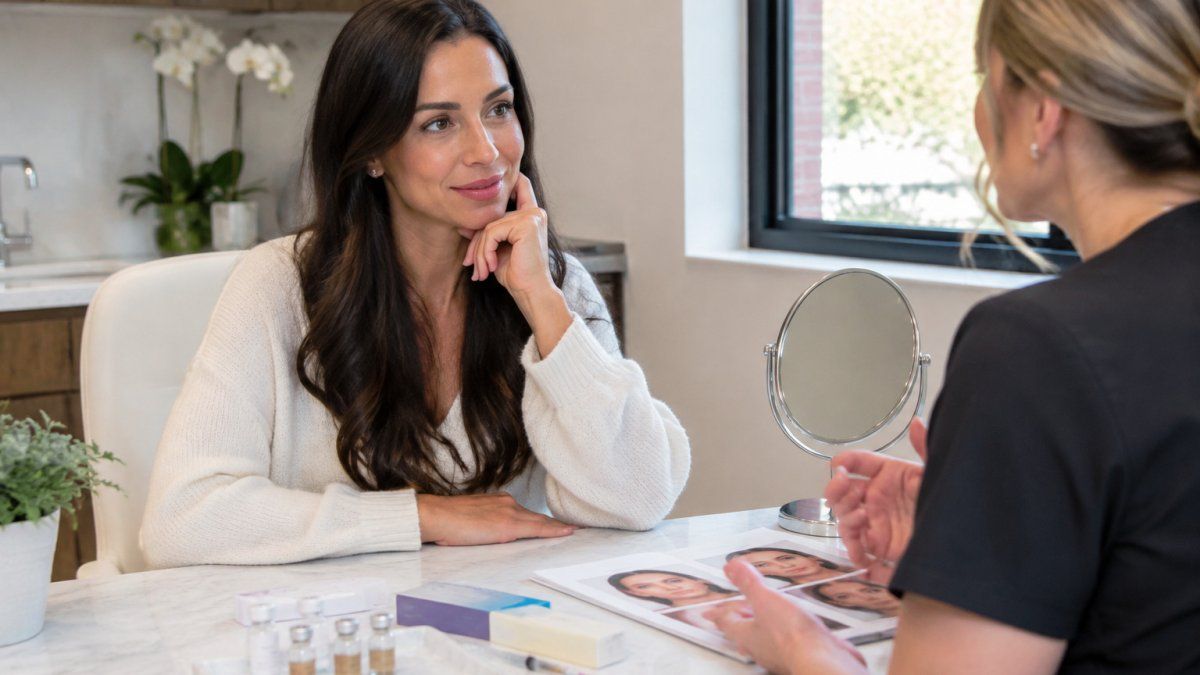
No credible injector starts with a needle. A first appointment is an assessment: what product was placed, how much, when, and by whom. A thorough consultation checks whether the concern is the filler itself or the way it settled. Sometimes the answer is not dissolving at all.
Honesty matters more than sales at this stage, and a good consultation may end with a recommendation to wait, adjust, or do nothing. If you want to understand how a full face assessment works before you sit down, read our full face assessment techniques guide so you arrive prepared.
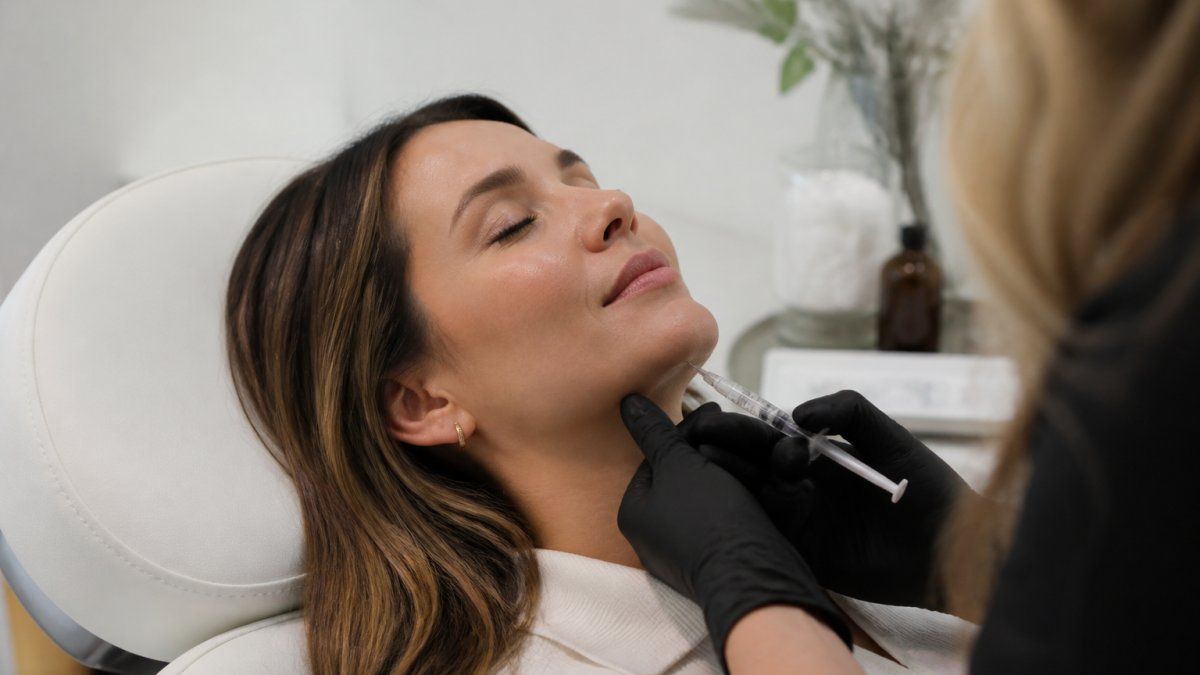
The Injection Appointment, Step by Step
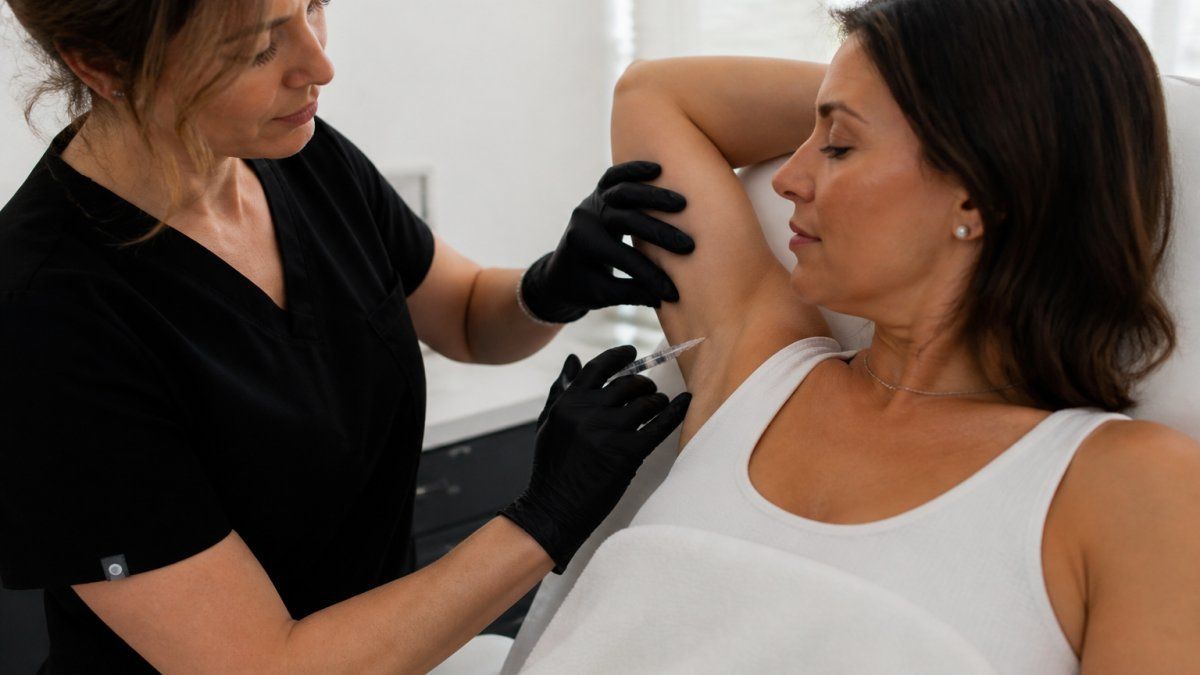
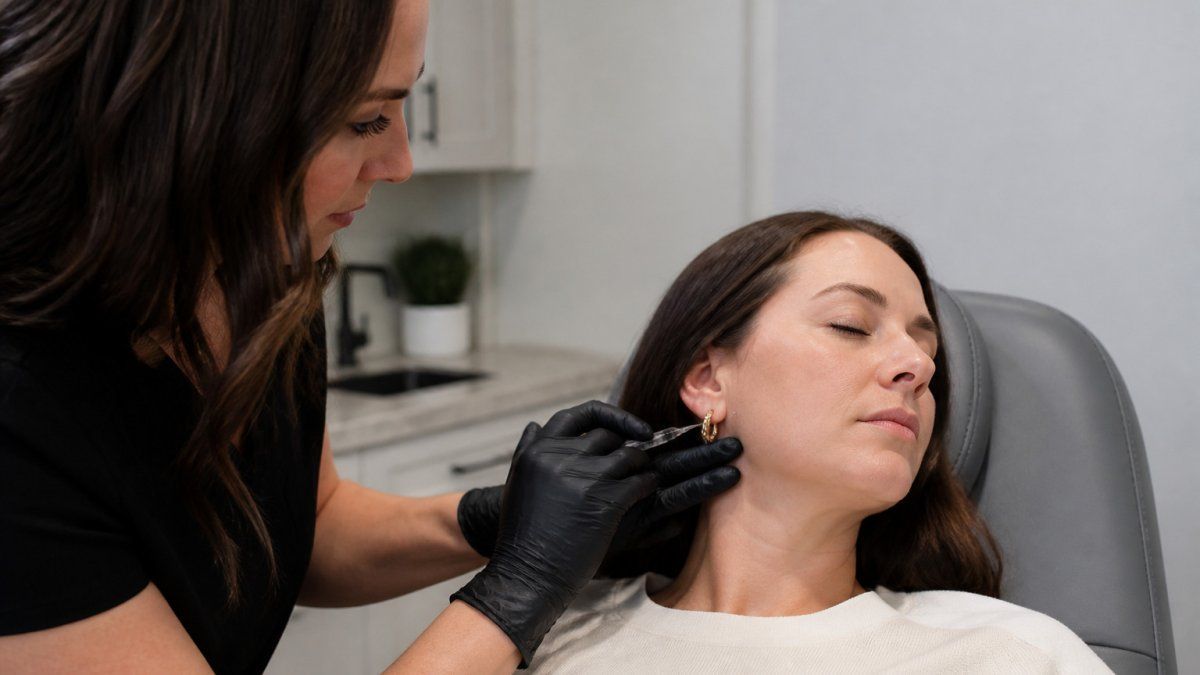
The appointment itself is typically short. A common sequence looks like this:
- Cleanse and mark the treatment area
- Apply topical numbing or ice when appropriate
- Inject small amounts of hyaluronidase into the filler deposit
- Massage the area to help distribute the enzyme
- Observe for 15-20 minutes before you leave
Dissolving too much too fast in a single visit can leave hollowing, which is why conservative dosing and a follow-up plan matter more than speed.
Here is the injection appointment sequence in the order the article describes it.
| Step | What happens | Time or frequency |
|---|---|---|
| 1 | Cleanse and mark the treatment area | At appointment |
| 2 | Apply topical numbing or ice when appropriate | At appointment |
| 3 | Inject small amounts of hyaluronidase into the filler deposit | At appointment |
| 4 | Massage the area to help distribute the enzyme | At appointment |
| 5 | Observe for 15-20 minutes before you leave | 15-20 minutes |
Hyaluronidase Injection Side Effects to Expect
Hyaluronidase injection side effects are usually temporary and localized. The most common are swelling, redness, bruising, and tenderness at the injection sites, typically fading within a few days. Some patients feel itching or mild stinging as the enzyme works.
Less common reactions include a brief bump or firmness where the filler breaks down, and rare allergic reactions. Because hyaluronidase is a protein, your clinician should review your allergy history first. Injectable treatments carry risks that should be discussed with a qualified provider before use.
How Long Does Hyaluronidase Take to Work?
How long hyaluronidase takes to work varies by person, product, and volume. Many patients notice softening within 24 to 48 hours, with the most visible change in the first week. Dense or older filler can take longer, and some areas need more than one session.
The enzyme does not dissolve filler instantly like a switch. It breaks the hyaluronic acid into smaller fragments the body clears gradually. That is why we schedule a follow-up rather than judging the result on day one. (Source: American Society of Plastic Surgeons' statistics on minimally invasive cosmetic procedures)
Is Dissolving Cheek Filler Painful?
Many patients describe dissolving as uncomfortable rather than painful, similar to a brief sting or pressure during injection. Numbing measures such as topical cream or ice can reduce sensation.
Afterward, expect tenderness in the treated area for a day or two. Over-the-counter pain relief is usually enough. If you have a low pain tolerance, tell your provider before the appointment so they can discuss options.
How Many Sessions It Takes to Fully Dissolve Cheek Filler
Most patients need one to three sessions, depending on how much product is present and how long it has been there. Older, thicker deposits often require more visits than recent, softer filler. We space sessions a few weeks apart to let swelling settle and to judge the true result.
Trying to remove everything in one sitting is a common mistake. It risks over-correction and hollowing. Patience produces a cleaner outcome.
Post-Dissolving Aftercare: The First 48 Hours and Beyond
Post-dissolving aftercare is simple but not optional. In the first 48 hours after treatment, many providers advise avoiding strenuous exercise, alcohol, and heat exposure such as saunas or hot yoga. Follow your provider's specific aftercare instructions.
- Apply ice in short intervals to reduce swelling
- Sleep with your head slightly elevated the first night
- Avoid facial massage unless your clinician instructs it
- Report any spreading rash, difficulty breathing, or worsening pain immediately
Longer term, protect the area from sun exposure and attend your follow-up. You can review our business policies on aftercare, cancellations, and follow-up appointments.
Which Fillers Can and Cannot Be Dissolved
Hyaluronidase works on hyaluronic acid fillers only. That includes most cheek and lip fillers. It does not dissolve biostimulators such as Sculptra or permanent fillers, which is why knowing your product history matters before any correction.
If you are unsure what was placed, bring your records or ask your previous injector. When the product cannot be dissolved, a provider can discuss alternatives rather than promise a result the enzyme cannot deliver. To choose more wisely next time, our guide to the best filler for facial balancing explains which products suit which goals.
If your concern is what results should look like in the first place, our cheek filler before and after breakdown gives context on typical outcomes before you decide to dissolve.
Book a Filler Assessment at Selah Aesthetics and Wellness
Dissolving is a correction, and corrections deserve a real assessment. At Selah Aesthetics and Wellness in Columbus, GA, every patient starts with Selah Face Value, a head-to-toe consult with AURA facial analysis and a layer-by-layer look at bone, fat, muscle, and skin.
The goal is results that look built, not overfilled: refreshed and balanced. If you want to see what that looks like in practice, browse our before and after gallery before you book.
Frequently Asked Questions
How does the cheek filler dissolving process work?
Hyaluronic acid filler is broken down with an enzyme called hyaluronidase, which is injected directly into the treated area. It splits the HA chains so your body can clear them naturally. A provider maps the filler placement first, then injects small amounts across the area. Most HA cheek fillers respond within 24 to 48 hours, and some people need a second session to clear everything. Non-HA fillers cannot be dissolved this way and have to settle on their own.
Are there risks or side effects from hyaluronidase injections?
The most common hyaluronidase injection side effects are swelling, redness, bruising, and tenderness at the injection sites, usually fading within a few days. Less common reactions include itching or a mild allergic response, so tell your provider about any allergies beforehand. Because hyaluronidase breaks down HA wherever it lands, it can also affect your skin's own natural HA near the treatment area, which may leave skin looking flatter for a short time. A qualified injector maps carefully to limit this.
How long does it take for cheek filler to dissolve after hyaluronidase?
Most people see noticeable softening within 24 to 48 hours of the first injection. Full results typically show within one to two weeks as the body clears the broken-down filler. Larger volumes or older, well-integrated filler can take longer and may need a follow-up session. Your provider will usually schedule a review about two weeks out to check symmetry and decide whether anything remains.
What does post-dissolving aftercare involve?
Post-dissolving aftercare is similar to filler aftercare: skip strenuous exercise, alcohol, and heat for the first 24 to 48 hours to reduce swelling, and avoid pressing or massaging the area unless your injector tells you to. Sleep with your head slightly elevated the first night. Cold compresses help with tenderness. Call your provider if you notice spreading redness, significant pain, or changes in skin color rather than waiting for your follow-up.
Filler that no longer fits your face is not a failure, it is a decision you can revisit. Selah Aesthetics and Wellness offers honest assessments, conservative dissolving protocols, and a plan for what comes next, backed by board-certified expertise and a consult-first philosophy. Get started with Selah Aesthetics and Wellness and book a consultation to find out exactly where you stand.

Lauren Hodge, MSN, FNP-C, is a board-certified Family Nurse Practitioner and aesthetic injector in Columbus, GA, with advanced training in regenerative medicine and aesthetics. She combines her background in pediatrics, pain management, and orthopedics with a passion for natural results, helping patients look and feel their best.
Share This Blog