Is Neurotoxin Treatment for Jaw Clenching Worth It?

Editorial Team - MSN, FNP-C
Last Updated: November 2, 2026
Quick Summary
Neurotoxin treatment for jaw clenching can be worth it for adults with frequent jaw pain, visible tooth wear, or clenching that hasn't improved with simpler steps like a night guard or habit changes. It works by injecting botulinum toxin into the masseter muscle to reduce clenching force, but the effect is temporary, results vary, and a consultation is needed first.
- A night guard is a common first step for sleep-related grinding because it protects teeth from wear.
- Botulinum toxin blocks the nerve signals that tell the masseter muscle to contract.
- The effect is temporary and usually fades over several months, so treatment is often repeated.
- Common side effects like soreness or bruising usually settle within days.
- Sleep apnea and significant TMJ disease should be evaluated before cosmetic muscle treatment.
Table of Contents
- What Jaw Clenching and Teeth Grinding Actually Are
- How Neurotoxin Treatment for Jaw Clenching Works on the Masseter
- Jaw Clenching Treatment Options Beyond Injections
- Who Is a Good Candidate and What the Consultation Covers
- Masseter Neurotoxin Side Effects and Safety Considerations
- How Long Does Masseter Neurotoxin Last and When Results Appear
- Neurotoxin for Teeth Grinding: What to Expect Before and After
- Booking Your Consultation at Selah Aesthetics and Wellness
- Frequently Asked Questions
What Jaw Clenching and Teeth Grinding Actually Are
Jaw clenching and teeth grinding, often called bruxism, are habits where the jaw muscles tighten or the teeth rub together without the normal chewing purpose. Many people do this without knowing it. Bruxism is a common condition, and it can wear down teeth, strain the jaw joint, and cause headaches or facial soreness ( Bruxism).
Bruxism is a term for the repeated clenching or grinding of teeth. The jaw is controlled largely by the masseter and temporalis muscles, which are among the strongest muscles in the face. When they stay tense for long periods, the strain can build up over time.
Sleep-related bruxism versus daytime clenching
Clenching during the day is often linked to stress, concentration, or a habit of holding the jaw tight. Grinding during sleep is a different pattern and is usually harder to notice. A bed partner may hear it, or a dentist may spot flattened or chipped teeth during a checkup. Knowing which type you have helps guide the right next step.
How Neurotoxin Treatment for Jaw Clenching Works on the Masseter
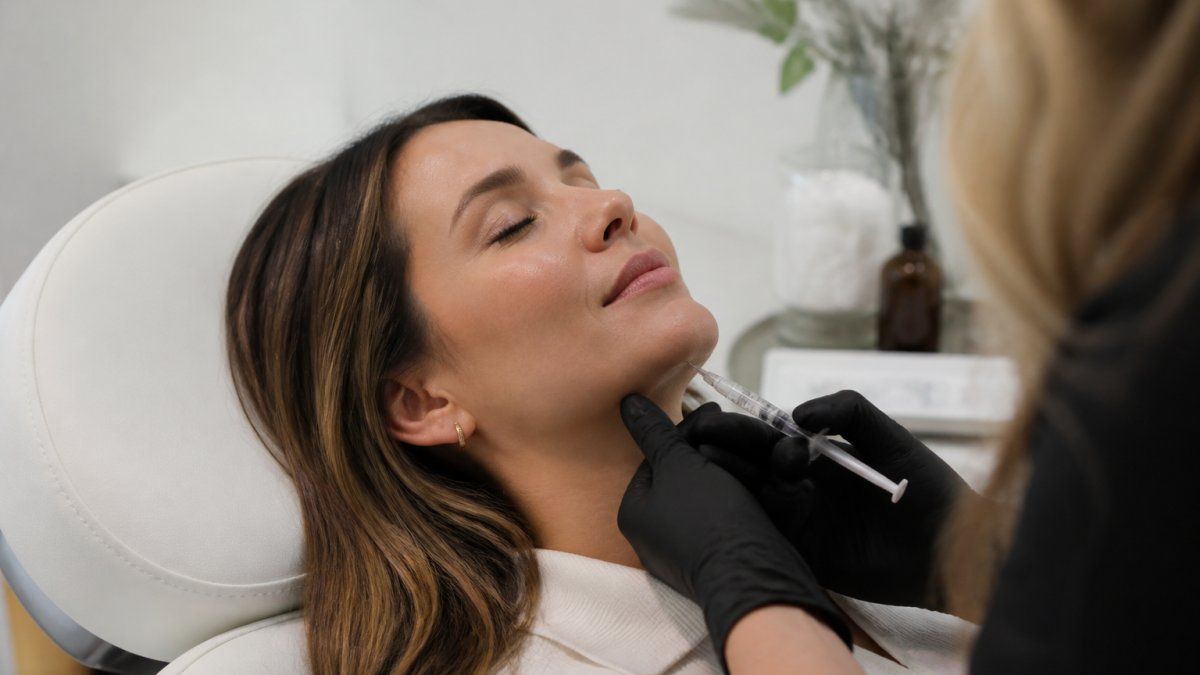
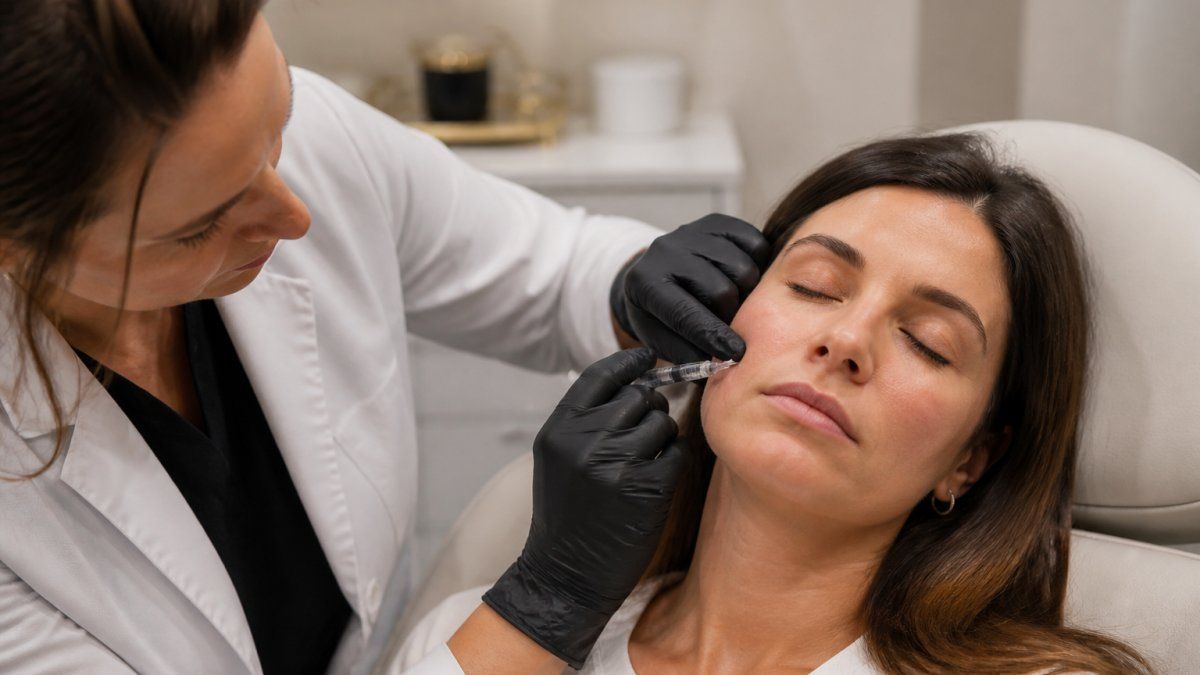
Neurotoxin treatment for jaw clenching uses a small injection of botulinum toxin into the masseter muscle. The toxin blocks the nerve signals that tell the muscle to contract.
Botulinum toxin works by interfering with acetylcholine, a chemical messenger that carries nerve signals to muscles. The effect is temporary and usually fades over several months. Treatment is often repeated to keep the effect going.
Results vary from person to person, and outcomes are not guaranteed. Because the masseter is a large muscle, the dose and injection points are chosen with care.
What the injection involves:
- The provider marks the injection points on the masseter
- Small amounts are injected into the muscle
- The appointment is usually short, often under an hour
- Most people return to normal activities right away
Jaw Clenching Treatment Options Beyond Injections
Neurotoxin is only one option. A custom night guard is a common first step for sleep-related grinding because it protects teeth from wear. Stress management, physical therapy for the jaw, and changes in daily habits can also help. Some people benefit from addressing a sleep problem, since sleep-related breathing issues can be linked to grinding.
Many people find that combining approaches can help. A consultation can help sort out which combination fits.
- Night guard: Protects teeth from wear during sleep
- Habit changes: Keeping the teeth apart and the jaw relaxed during the day
- Physical therapy: Exercises and techniques for jaw tension
- Neurotoxin: Reduces muscle clenching force
- Sleep evaluation: Checks for underlying sleep problems
Who Is a Good Candidate and What the Consultation Covers
A good candidate is usually an adult with frequent jaw pain, visible tooth wear, or clenching that has not improved with simpler steps such as a night guard or habit changes. You can also read about integrated wellness care for a refreshed, confident look to see how this approach fits into a broader plan. The consultation is where a provider separates people who are likely to benefit from neurotoxin from those who need a different plan first.
A thorough assessment goes beyond asking whether the jaw feels tight. Most practitioners screen for the causes that can sit behind clenching, because treating the muscle without checking them can lead to disappointment. A common pattern in a good consultation includes:
- Dental wear pattern: Flattened, chipped, or shortened teeth suggest long-standing grinding and help gauge how much force the jaw is generating.
- Temporomandibular (TMJ) symptoms: Clicking, popping, limited opening, or pain in front of the ear can point to joint involvement that may need a different approach.
- Sleep-related factors: Snoring, witnessed pauses in breathing, morning headaches, or daytime sleepiness raise the question of sleep apnea, which should be evaluated before cosmetic muscle treatment.
- Medications and health history: Some medications and supplements affect bleeding or muscle function, and a full medication list belongs in the record.
- Daytime habits: Constant gum chewing, nail biting, or holding the jaw tight during focus or stress can keep the masseter overactive.
At Selah Aesthetics and Wellness, the consultation starts with Selah Face Value, a head-to-toe assessment that looks at bone, fat, muscle, and skin. The goal is to decide whether neurotoxin is a good fit or whether another approach makes more sense.
Some people are not good candidates for neurotoxin treatment, and a provider will review your full health history to determine whether it is appropriate for you. A provider will review your full health history and may ask you to coordinate with your dentist or primary care clinician if sleep apnea or significant TMJ disease is suspected.
Masseter Neurotoxin Side Effects and Safety Considerations
Neurotoxin treatment carries risks, and informed consent means understanding the uncommon problems as well as the common ones.
Common side effects usually settle within days:
- Soreness, tenderness, or a mild headache after injection
- Bruising or a small bump at an injection site
- Temporary change in chewing strength or a tired feeling in the jaw
Less common but important risks are the reason dose and injection placement matter:
- Chewing weakness or difficulty with tough foods: Too much product in the masseter can make chewing feel weak or the jaw feel tired. This usually improves as the effect fades.
- Facial change: Over-treatment or uneven placement can make the lower face look hollow or the smile look different. A conservative starting dose protects against this.
- Asymmetry: One side may respond differently from the other, which can usually be addressed at a follow-up visit.
- Spread of effect: In rare cases, botulinum toxin can spread beyond the injection site and cause symptoms such as generalized muscle weakness, difficulty swallowing, or difficulty breathing. Seek urgent medical care for these symptoms.
- Allergic reaction: Rash, hives, or swelling are uncommon but should be reported promptly.
Contraindications and precautions belong in the health-history discussion. Treatment is generally avoided during pregnancy or breastfeeding, in people with certain nerve or muscle conditions such as myasthenia gravis or Lambert-Eaton syndrome, and in people with an active infection at the planned site. Tell your provider about all medications and supplements, especially blood thinners, and about any history of swallowing or breathing problems.
Informed consent means you understand the benefits, the risks, the alternatives, and what to do if something goes wrong. Ask the provider about their training, the product used, the dose planned, and how to reach them after the appointment. Ask what symptoms should prompt a call to the office versus urgent care.
Watch out: A dose that is too strong for the muscle is the most common avoidable problem, so a conservative starting dose and a follow-up plan matter more than a dramatic first result.
How Long Does Masseter Neurotoxin Last and When Results Appear
Timing of changes varies from person to person, and your provider can discuss what to expect. The effect is temporary and fades gradually over time. The exact timing depends on the person, the dose, and the muscle's response.
Keeping a simple log of clenching pain, headaches, and tooth sensitivity can help you and your provider judge whether the treatment is working over time.
Neurotoxin for Teeth Grinding: What to Expect Before and After
Before treatment, your provider may ask you to avoid certain medications and supplements that affect bleeding. You can usually keep your normal routine otherwise. Arrive with a clear list of your symptoms and questions.

After treatment, avoid rubbing the injection area and avoid strenuous exercise for the rest of the day. Most people go home and resume normal life. Some soreness or a mild bruise may appear, and it usually fades within a few days.
| Stage | What to Expect |
|---|---|
| Before | Consultation, medical history, symptom review |
| During | Small injections into the masseter, short visit |
| First week | Early changes in jaw tension for some people |
| Two weeks | Fuller effect for most people |
| Months later | Gradual fading, often time for a repeat visit |
Booking Your Consultation at Selah Aesthetics and Wellness
If you are thinking about neurotoxin for jaw clenching, start with a consultation. At Selah Aesthetics and Wellness in Columbus, GA, Lauren, a nurse practitioner board certified in Aesthetics, leads each treatment plan with a careful assessment. You can read more about meet our team before you book.
Many patients who want a refreshed look without a frozen result also ask about treatments that work across the face and jaw. If you want to compare options, you can review our Botox service or learn about Morpheus8 Burst as a non-injection alternative. For a closer look at natural-looking results, read Botox without looking frozen: a guide to natural results.
Book a consultation with Selah Aesthetics and Wellness to talk through your symptoms, your goals, and the right next step for you.
Frequently Asked Questions
How risky is masseter neurotoxin treatment?
Masseter neurotoxin treatment is generally considered low risk when performed by a licensed, trained injector, but no injectable is free of risk. Common effects include temporary soreness, bruising, or swelling at the injection site. Less common effects can include a change in chewing strength, a slight shift in facial shape, or tiredness of the jaw muscles. Because outcomes depend on individual anatomy and dosing, a consultation is the right place to review your specific risks and whether treatment is appropriate for you.
How much does neurotoxin treatment for jaw clenching cost?
Pricing depends on the number of units needed, the provider's experience, and the scope of your consultation. Selah Aesthetics and Wellness does not publish a fixed price list for this treatment in this article, so the most accurate way to get a figure is to request a consultation. Ask whether the consultation fee applies toward treatment and what follow-up visits are included so you can compare the full cost of care.
Can I get Botox to stop clenching my jaw?
Botox is one of several neurotoxins used to relax the masseter muscle, which is the main muscle involved in clenching. Other neurotoxin brands are also used for this purpose, and the choice depends on the provider's training and your goals. Neurotoxin is not a guaranteed fix for every cause of clenching, so a clinical evaluation of the jaw, teeth, and sleep patterns is an important first step.
How long does masseter neurotoxin last?
Response to treatment varies from person to person. Your provider can discuss what to expect and help you plan any follow-up based on how your jaw responds over time.

Lauren Hodge, MSN, FNP-C, is a board-certified Family Nurse Practitioner and aesthetic injector in Columbus, GA, with advanced training in regenerative medicine and aesthetics. She combines her background in pediatrics, pain management, and orthopedics with a passion for natural results, helping patients look and feel their best.
Share This Blog