How to Stop Excessive Sweating With Neurotoxin Treatment

Editorial Team - MSN, FNP-C
Last Updated: November 3, 2026
Quick Summary
Neurotoxin treatment for excessive sweating works by blocking acetylcholine, the chemical signal that tells your sweat glands to produce sweat. The gland itself is not damaged; the signal is interrupted, so results are temporary and repeat treatment is needed to maintain control.
- OnabotulinumtoxinA carries an FDA-approved indication for severe primary axillary hyperhidrosis in adults.
- Sweat reduction typically begins within days and the effect usually fades over several months.
- Palmar treatment carries a recognized risk of temporary hand weakness from product spread.
- Sweating that is new in adulthood, one-sided, or whole-body warrants medical evaluation before cosmetic treatment.
- Ask your insurer whether the diagnosis is covered, what documentation is required, and whether prior authorization is needed.
Table of Contents
- How Neurotoxin Treatment Reduces Excessive Sweating
- Underarm Botox Pros and Cons: Is It Right for You?
- What to Expect During Your Injection Appointment
- Botox for Facial Sweating: What to Know About Treatment Areas
- Botox for Excessive Sweating Cost and What Affects It
- Hyperhidrosis Botox Insurance Coverage: What to Check
- Comparing Treatment Options for Excessive Sweating
- Booking Your Hyperhidrosis Consultation at Selah
- Frequently Asked Questions
How Neurotoxin Treatment Reduces Excessive Sweating
Neurotoxin treatment for excessive sweating works by interrupting the chemical signal that tells your sweat glands to produce sweat. At Selah Aesthetics and Wellness, we explain it this way: the gland is fine, the wiring is overactive. According to the International Hyperhidrosis Society, hyperhidrosis affects a meaningful share of the population, yet most people wait years before asking a clinician about it. Below, we walk through what the treatment does, who it suits, what it costs to plan for, and where it genuinely falls short.
What Hyperhidrosis Is and How It Differs from Normal Sweating
Hyperhidrosis is a medical condition in which sweat production exceeds what your body needs for temperature regulation. Normal sweating responds to heat and exertion. Hyperhidrosis happens at rest, in cool rooms, and often symmetrically on both sides of the body.
Primary axillary hyperhidrosis affects the underarms specifically and usually begins in childhood or adolescence. The eccrine glands themselves are structurally normal; the nerve signals driving them are not. That distinction matters, because it explains why antiperspirants often disappoint and why a neuromodulator can help.
How Botulinum Toxin Blocks Nerve Signals to Sweat Glands
Botulinum toxin blocks the release of acetylcholine, the chemical signal that activates sweat production. Inject a small amount into the treatment area, and the gland stops receiving the instruction to sweat. The gland is not damaged. The signal is simply interrupted, which is why the effect is temporary.
OnabotulinumtoxinA carries an FDA-approved indication for severe primary axillary hyperhidrosis in adults, per the FDA prescribing information. Other botulinum toxin products are used in practice, though their approved labeling differs.
Underarm Botox Pros and Cons: Is It Right for You?
Underarm treatment is a well-established use of neurotoxin. Its general trade-offs include the need for repeat visits, the fact that it does not eliminate sweating entirely, and that it is not a permanent fix.
A common mistake is expecting a cure. For a fuller breakdown, read Is Neurotoxin Treatment Worth It: An Honest Guide. Think of it as control you renew on a schedule.
| Factor | What to Expect |
|---|---|
| Onset | Sweat reduction typically begins within days |
| Duration | Effect usually fades over several months |
| Maintenance | Repeat treatment to sustain results |
| Best for | Severe primary underarm sweating |
What to Expect During Your Injection Appointment
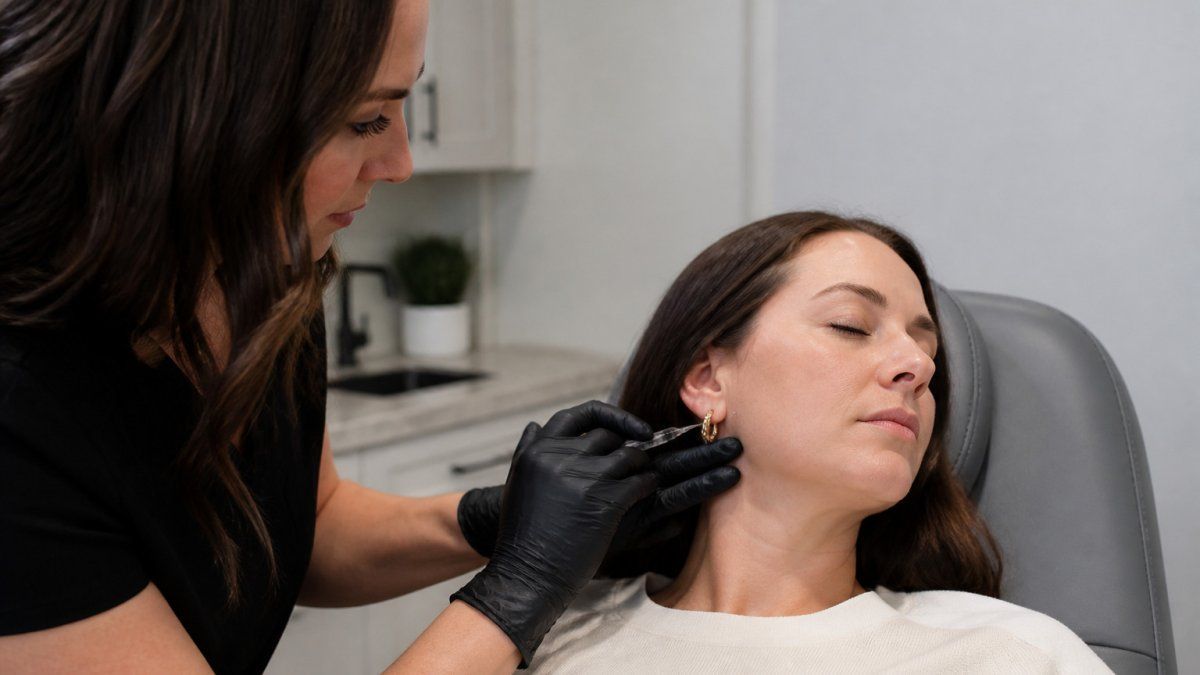
Your appointment starts with a clinical assessment, not a needle. We map the treatment area, confirm the diagnosis, and discuss what you want from treatment. A starch-iodine test may be used to identify active zones, which is standard practice described by the American Academy of Dermatology.

Pain, Discomfort, and Comfort Options
Injection discomfort is generally described as brief. Comfort techniques vary between providers, so ask what your provider uses.
When Results Begin and How Long They Last
Onset and duration of effect vary by person and body area, and repeat treatment is generally needed to maintain results.
Botox for Facial Sweating: What to Know About Treatment Areas
Treatment response and practical difficulty differ by body area, so a single "it works" statement is not enough. The table below summarizes what clinicians commonly see; individual response varies.
| Area | Evidence and approval status | Typical discomfort | Practical considerations |
|---|---|---|---|
| Underarms | Strongest evidence base; onabotulinumtoxinA carries an FDA-approved indication for severe primary axillary hyperhidrosis in adults | Low; small pinches | Most established area; lowest risk of functional side effects |
| Palms | Well studied but not the approved indication for every product | Higher; palmar skin is sensitive | Temporary hand weakness is a recognized risk when product diffuses to small hand muscles; grip strength should be discussed before treatment |
| Soles | Studied but less commonly treated | Higher; plantar skin is thick and sensitive | Walking discomfort after injection is common; dosing must account for thicker skin |
| Face | Used in practice but requires the most caution | Moderate | Injections must respect muscles of expression; dosing precision matters more here than anywhere else |
Underarms
Underarm treatment is a well-established area for neurotoxin use, with relatively low risk of unwanted muscle effect in general terms.
Palms
Palmar sweating responds to neurotoxin, but the hands are functionally demanding. The muscles that control fine movement sit close to the sweat glands, so a small amount of spread can produce temporary weakness in grip or finger dexterity. A common pattern is to treat one hand at a time or to start conservatively and adjust at follow-up. Watch out: if a provider does not raise hand weakness as a possibility before palmar treatment, ask directly, it is a known trade-off, not a rare rumor.
Soles
Plantar treatment is less commonly used than underarm treatment, and the skin there is thicker, so comparative response and discomfort differ by area.
Face
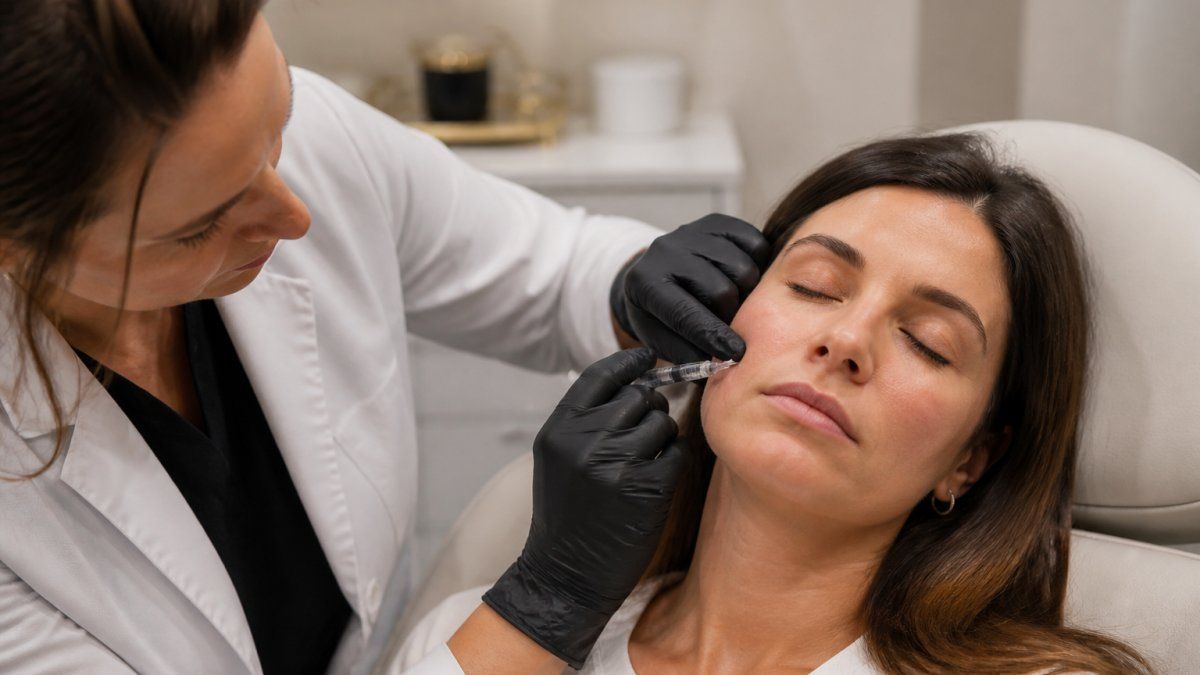
The face demands the most caution. Sweat glands on the forehead, upper lip, and nose sit near muscles of expression, so imprecise placement can affect brow position or smile symmetry. Clinicians generally use careful mapping and dosing for facial areas. Facial sweating is also where the distinction between primary and secondary sweating matters most, because facial flushing and sweating can accompany other medical conditions.
What This Means for You
If your sweating is focal and severe in one area, neurotoxin treatment is a reasonable conversation. If it involves several areas at once, or if facial sweating appeared suddenly in adulthood, a medical evaluation should come before cosmetic treatment. The next section covers how neurotoxin compares with the other options.
Botox for Excessive Sweating Cost and What Affects It
Cost for neurotoxin treatment depends on factors such as the amount of product used, the treatment area, and the number of areas treated in one visit. Pricing varies, so request a written estimate from the provider at consultation or contact the practice directly for current pricing. You can also review our Pricing and Promotions page.
Hyperhidrosis Botox Insurance Coverage: What to Check
Insurance coverage for hyperhidrosis treatment varies by plan. Ask your insurer three questions: whether the diagnosis is covered, what documentation is required, and whether a prior authorization is needed. Get the answer in writing before scheduling.
Comparing Treatment Options for Excessive Sweating
No single option wins for every area or every patient. The comparison below is organized by what each option does well and where it falls short; it is a planning aid, not a prescription.
| Option | How it works | Typical role | Duration of effect | Main trade-offs |
|---|---|---|---|---|
| Clinical-strength antiperspirants (aluminum chloride) | Physically blocks sweat ducts | First-line for underarms, palms, and soles | Requires regular reapplication | Skin irritation, staining of clothing, needs consistent use |
| Oral anticholinergic medications | Reduces sweat signals body-wide | Broader or multi-area sweating | Ongoing while taken | Dry mouth, constipation, urinary retention, blurred vision |
| Iontophoresis | Uses a low electrical current to reduce sweat in hands and feet | Palms and soles, especially when topicals fail | Requires a series of sessions, then maintenance | Time-consuming, requires equipment, skin irritation |
| Neurotoxin injections | Blocks acetylcholine release at the gland | Focal, severe sweating in a defined area | Several months, typically around six | Repeat visits, injection discomfort, area-specific risks such as hand weakness |
| Procedural options (e.g., microwave-based devices, surgery) | Destroy or interrupt sweat glands or nerves | Selected severe or refractory cases | Variable; some are long-lasting | Higher cost and risk; surgery is reserved for severe cases |
Matching the Option to the Area
Underarms: antiperspirants first, then neurotoxin for severe primary cases. Palms: antiperspirants and iontophoresis are common first steps; neurotoxin is effective but carries the hand-weakness trade-off. Soles: similar to palms, with more discomfort and often shorter response. Face: neurotoxin is used cautiously, and other causes should be ruled out first.
Questions to Ask Before Choosing
- Has a clinician confirmed primary rather than secondary sweating?
- Have you tried a clinical-strength antiperspirant for several weeks?
- Is the sweating focal or whole-body?
- What is the plan if the first option does not work?
- What does each option cost over a year, not just per visit?
A Note on Cost and Coverage
Cost varies by provider, treatment area, and amount of product used. Insurance coverage depends on your plan and documentation; ask your plan whether the diagnosis is covered, what records are required, and whether prior authorization is needed.
When to Seek Medical Evaluation First
Sweating that is new in adulthood, one-sided, accompanied by weight loss, fever, palpitations, or night sweats, or that involves the whole body generally warrants medical assessment before any cosmetic treatment. Those patterns can point to secondary causes that neurotoxin treatment would not address.
Booking Your Hyperhidrosis Consultation at Selah
Excessive sweating is treatable, but it needs a clinical assessment rather than a guess. At Selah Aesthetics and Wellness, every patient starts with Selah Face Value, a head-to-toe consult with AURA facial analysis and a layer-by-layer assessment of bone, fat, muscle and skin. Lauren, owner and lead injector, is a nurse practitioner board certified in Aesthetics (AAOPM) and will tell you when a treatment is not right for you. If you are ready to take the next step, book a consultation with the practice. You can also visit our Botox Injections Columbus page to book.
Frequently Asked Questions
Can Botox injections be used to treat excessive sweating?
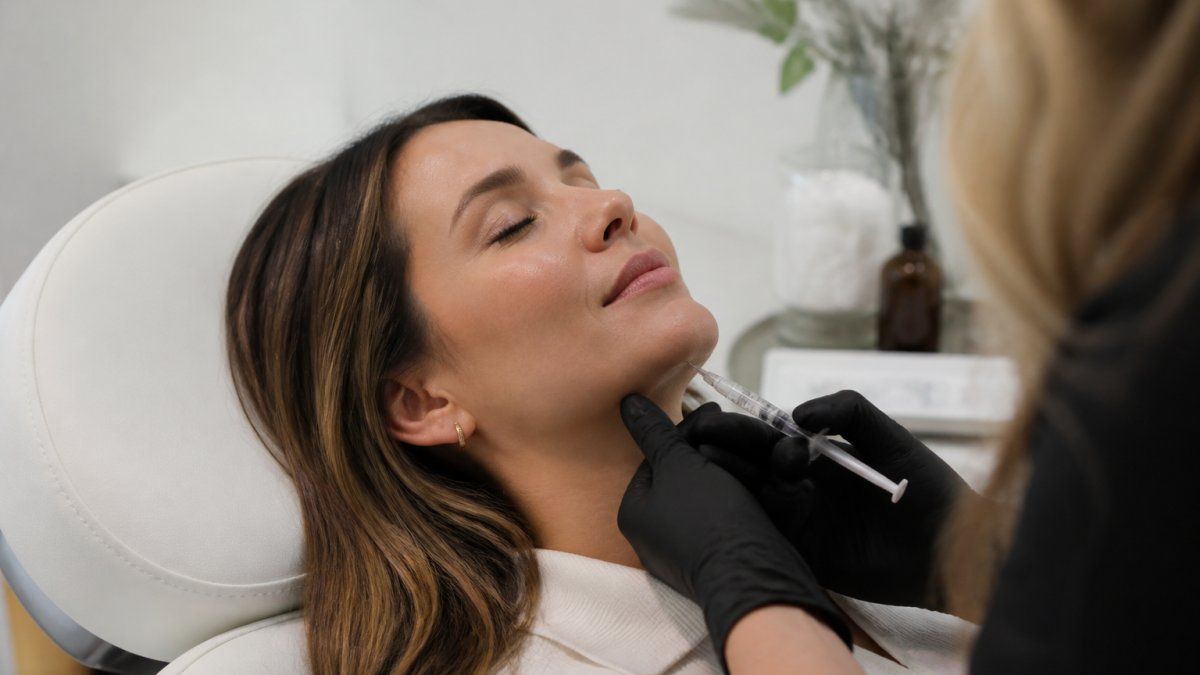
Yes. Botulinum toxin is FDA-approved for severe primary axillary hyperhidrosis, meaning excessive underarm sweating that topical antiperspirants have not controlled. It works by blocking the nerve signals that tell sweat glands to produce sweat. Treatment is given as a series of small intradermal injections across the treatment area. Results are temporary, and repeat treatment is generally needed to maintain sweat reduction.
Will insurance cover Botox for excessive sweating?
Coverage varies by plan. Coverage varies by plan and typically depends on medical necessity and documentation from your provider. Ask your insurer whether the procedure is a covered benefit. Ask your insurer whether the procedure is a covered benefit and what documentation they need before scheduling.
How long does Botox for excessive sweating last?
Onset and duration of effect vary by person, and your provider will discuss what to expect for your situation. Repeat treatment is needed to maintain results, and response can change over time, so your provider will assess how your body responds at each visit.
Does Botox stop sweating on your face or forehead?
Botox can reduce facial sweating when injected into the affected area, but the face requires careful technique because the same muscles control expression. Facial treatment requires careful technique because the same muscles control expression. Discuss risks, limitations, and expected results with your provider during your consultation.
If sweating has shaped your wardrobe, your workday, or your confidence, you deserve a real assessment instead of another stronger deodorant. Selah Aesthetics and Wellness offers personalized treatment plans, care from licensed healthcare professionals, and a commitment to honesty about what you actually need. Get started with Selah Aesthetics and Wellness and find out whether neurotoxin treatment fits your situation.

Lauren Hodge, MSN, FNP-C, is a board-certified Family Nurse Practitioner and aesthetic injector in Columbus, GA, with advanced training in regenerative medicine and aesthetics. She combines her background in pediatrics, pain management, and orthopedics with a passion for natural results, helping patients look and feel their best.
Share This Blog