How to Get Fuller Lips Without Lip Filler

Editorial Team - MSN, FNP-C
Last Updated: November 2, 2026
Quick Summary
Several lip filler alternatives for fuller lips exist, including topical plumpers, hyaluronic acid serums, lip masks, and a Botox lip flip. Topicals create temporary swelling or better hydration, but none adds lasting structural volume. Choose based on your goal, budget and tolerance for downtime, and confirm options with a provider.
- Circulation-based plumpers cause temporary swelling that peaks within 10 to 30 minutes and fades within hours.
- Hyaluronic acid serums improve hydration and definition, but the effect lasts only while you keep using them.
- No topical product adds structural volume, so topicals work best as a finishing step.
- A Botox lip flip is not filler and gives a more subtle, shorter-lived result.
- At-home suction devices carry bruising and tissue-damage risks, so stop at the first sign of pain.
Table of Contents
- Why Look for a Lip Filler Alternative
- Topical Options: Lip Plumpers, Glosses, Serums and Masks
- Injectable-Adjacent Options: Botox Lip Flip and Hyaluronic Acid Treatments
- LipLase Laser Treatment and Other Laser-Based Enhancement
- Lip Filler vs Laser Treatment: Duration, Cost, Discomfort and Evidence
- Safety, Contraindications and Limits of At-Home Devices
- Choosing a Medical Spa Lip Enhancement Provider
- Booking Your Lip Consultation in Columbus
- Frequently Asked Questions
Why Look for a Lip Filler Alternative
Many women in Columbus, Georgia want fuller lips without the commitment of injectable treatment. Many people ask the same question: what else can give me more volume? The honest answer is that several lip filler alternatives for fuller lips exist, and each one suits a different goal, budget and tolerance for downtime. (Source: cosmetic procedure statistics)
Some readers want a temporary change before an event. Others want something they can do at home every morning. A few are wary of needles altogether. Knowing which of these describes you makes the choice much easier.
Topical Options: Lip Plumpers, Glosses, Serums and Masks
Topical products are the lowest-commitment route to fuller-looking lips, but they work in three distinct ways, and mixing them up is the most common reason people are disappointed. Understanding the mechanism behind each category tells you what it can and cannot do.
Circulation-based plumpers (glosses and balms). These rely on mild irritants, commonly cinnamon, menthol, camphor, peppermint, or capsicum, to increase blood flow to the lip surface. The result is a temporary tingling, slight redness, and a swollen appearance that typically peaks within 10 to 30 minutes and fades within a few hours. The effect is surface-level: it is vasodilation and mild edema, not new volume. Anyone with sensitive skin, rosacea, or a history of cold sores should patch-test first, because irritant ingredients can trigger a reaction or an outbreak.
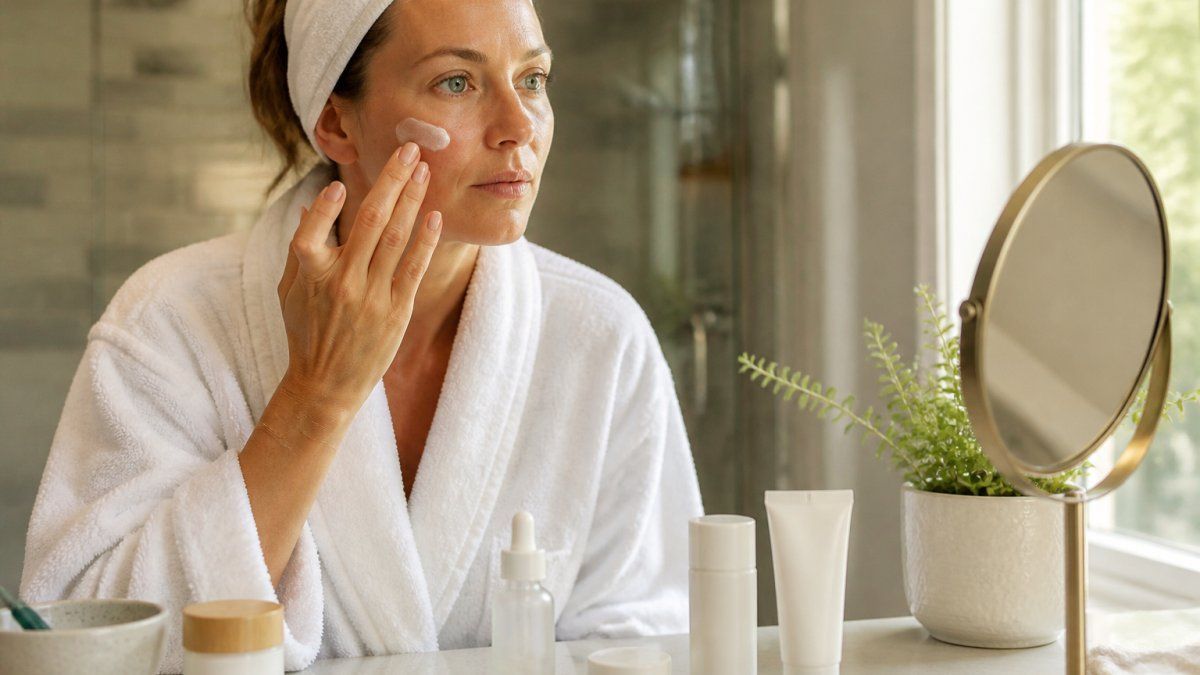
Hyaluronic acid serums and lip treatments. Hyaluronic acid is a humectant, it draws water into the outer layers of the skin. Applied topically, it improves hydration, smooths the appearance of vertical lip lines, and makes the lip border look more defined. Well-hydrated lips reflect light more evenly, which reads as fuller even though the physical volume has not changed. Onset is gradual over days of consistent use, and the effect disappears when you stop. This is the category with the most plausible evidence behind it, but the evidence supports hydration and appearance, not structural volume.
Lip masks and overnight treatments. Masks are essentially intensive hydration, often occlusives plus humectants, that reduce transepidermal water loss while you sleep. They are generally inexpensive and low-risk, and they pair well with a serum. Expect softer, smoother lips in the morning; do not expect a change in size.
What topicals cannot do. No topical product adds structural volume. A gloss can create a temporary plumped look, and a serum can improve hydration and definition, but neither changes the actual size of the lip. If your goal is measurable volume, topicals are a finishing step, not a substitute for an injectable or surgical option.
Realistic expectations and evidence quality. The strongest evidence in this category is for hydration and barrier support from hyaluronic acid and occlusives. Evidence for irritant-based plumpers is largely anecdotal and mechanism-based rather than from controlled trials, and the effect is short-lived. That does not make them useless, they are a reasonable, reversible way to get a temporary look, but they should be understood as cosmetics, not treatments.
Watch out: Irritant plumpers can cause contact dermatitis, and shared or expired products can introduce infection; stop use and seek professional advice if you develop persistent redness, swelling, or blistering.

The three topical categories work in different ways, as summarised below.
| Category | How it works | Effect and duration |
|---|---|---|
| Circulation-based plumpers (glosses and balms) | Mild irritants increase blood flow to the lip surface | Temporary swelling; peaks 10-30 minutes, fades within hours |
| Hyaluronic acid serums | Humectant draws water into outer skin layers | Better hydration and definition; gradual, lasts only while used |
| Lip masks and overnight treatments | Intensive hydration with occlusives and humectants | Softer, smoother lips by morning; no change in size |
Injectable-Adjacent Options: Botox Lip Flip and Hyaluronic Acid Treatments
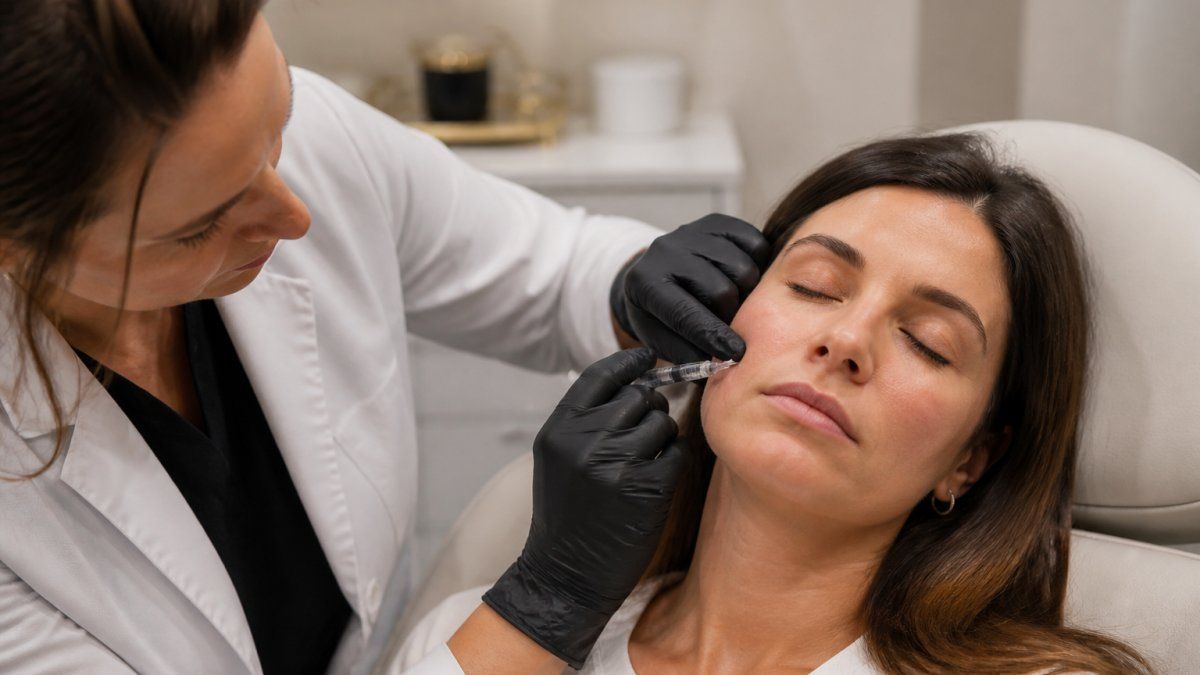
A Botox lip flip uses a small amount of neurotoxin in the upper lip to relax muscle, which can roll the lip outward and make it look more prominent. It is not filler, and the result is more subtle and shorter-lived than a volume treatment. Discuss it with a qualified injector, because the right dose depends on your anatomy.
Hyaluronic acid treatments in the lip area sit closer to traditional filler, but they can be placed in smaller amounts for a subtle change. Whether they fit your goals depends on your facial structure and what you want the lips to look like at rest and in motion.
Watch out: Ask any provider to show you how they will assess your lip before treatment. A treatment that ignores balance with the rest of the face can leave lips that look out of proportion.
LipLase Laser Treatment and Other Laser-Based Enhancement
Laser-based enhancement is an option for people who want a different kind of change. Some laser treatments are marketed for improving the look of lip lines and skin texture around the mouth, and they generally do not add volume.
Because laser results depend on the treatment goal, a consultation is the right place to decide whether a laser option makes sense. (Source: hyaluronic acid's role in skin hydration)
Lip Filler vs Laser Treatment: Duration, Cost, Discomfort and Evidence
Filler adds volume directly, and results usually last several months depending on the product and the person. Laser treatments work on skin quality and definition rather than volume, so the two are not direct substitutes. Choosing between them depends on whether you want more fullness or better texture and shape.
Costs vary widely by provider, product and number of sessions. Pricing depends on the treatment plan, so ask for a written quote that lists what is included.
Discomfort also differs. Injectables are typically described as mildly uncomfortable, and topical numbing is often used. Evidence quality varies across both categories, so ask providers for the clinical data behind their recommendation.
Safety, Contraindications and Limits of At-Home Devices
At-home lip-plumping devices are one of the least-explained options in this category, and that is a problem, because they carry real risks that a two-sentence summary cannot cover. Most devices fall into three types: suction cups, vibrating wands, and low-level electrical stimulation. Each works differently, and each has different limits.
Suction devices. These use negative pressure to draw blood and fluid into the lips, creating temporary swelling. The effect can look fuller for a few hours, but it is edema, not volume, and it resolves on its own. Suction is the riskiest at-home method: overuse or excessive pressure can cause bruising, petechiae (small broken blood vessels), prolonged swelling, and in rare cases blistering or tissue damage. Consumer devices of this kind generally lack evidence for lasting results. If you use one, follow the manufacturer's time limits strictly and stop at the first sign of pain or marked discoloration.
Vibrating wands and massage tools. These are marketed to stimulate circulation and improve product absorption. The mechanism is mild and the risk is low, but so is the effect, any fullness is transient and largely attributable to the massage and any product applied with it. They are best thought of as a application aid, not a treatment.
Low-level electrical stimulation. These devices deliver small currents intended to stimulate muscle. Evidence for lip volume is very limited, and they should not be used by anyone with an implanted electronic device, during pregnancy, or over areas with broken skin.
Who should avoid at-home devices. Skip suction and electrical devices if you have a bleeding disorder, take blood thinners, have active cold sores or skin infections, have recently had dental or facial procedures, or have sensitive or rosacea-prone skin. Anyone with a history of cold sores should be cautious with any device that can traumatize the lip, because friction and suction can trigger an outbreak. Lip filler aftercare tips for Columbus show what careful lip care looks like after a professional treatment, for comparison.
What to expect over time. Results from at-home devices are measured in hours, not weeks. There is no credible evidence that repeated use builds lasting volume, and stopping use returns the lips to baseline. If a device promises permanent results, treat that as a red flag.
When to see a professional. Persistent swelling, bruising that lasts more than a week, blistering, numbness, or signs of infection (increasing pain, warmth, redness, or fever) warrant a call to a qualified healthcare provider. A medical spa consultation is also the right step if your goal is a change that lasts longer than a few hours.
Choosing a Medical Spa Lip Enhancement Provider
Look for a provider who assesses the whole face before recommending a treatment, explains the risks plainly and tells you when a treatment is not right for you. Credentials matter: check that the injector is a licensed healthcare professional with relevant advanced training.
A good consultation should feel like a medical conversation, not a sales pitch. Expect questions about your goals, your history and your expectations. Providers who will say no when a treatment is unsuitable are usually the ones to trust.
Booking Your Lip Consultation in Columbus
If you are weighing lip filler alternatives for fuller lips, the best first step is a consultation. At Selah Aesthetics and Wellness in Columbus, GA, the Selah Face Value consultation begins with a head-to-toe assessment before any treatment is discussed.
Book a Consultation to talk through which option fits your goals.
Frequently Asked Questions
Is there any way to get fuller lips without fillers?
Yes. Options include topical lip plumpers and glosses, hydrating lip masks, lip liner and makeup techniques for shape, Botox lip flips, and laser-based treatments. Topical products give temporary, mild results. Botox lip flips and laser options work differently and carry their own risks and limits. A consultation with a licensed provider can help you decide which option fits your goals, anatomy and budget.
What is the difference between LipLase and lip filler?
Lip filler adds volume by injecting a gel, typically hyaluronic acid, into the lip. LipLase laser treatment is a non-injectable option that uses laser energy and is often discussed as a way to improve lip appearance without needles. Results, duration, cost and downtime differ between the two. Ask your provider which option suits your lip structure and goals, and what evidence supports their recommendation.
Can topical products actually increase lip volume?
Topical lip plumpers and glosses typically create a temporary, slight plumping effect by irritating or stimulating the surface and increasing blood flow, which can cause swelling. The effect usually fades within hours. Lip masks and serums improve hydration and smoothness, which can make lips look fuller. They do not add lasting structural volume. Watch for irritation, especially with products containing menthol, cinnamon or peppermint.
What should I look for when choosing a medical spa for lip enhancement?
Look for a licensed healthcare professional who performs a full assessment before recommending treatment, and who is willing to say no when a treatment is not right for you. Ask about their training and certifications, what they will do at the consultation, which options they offer and why, and how they handle complications. A provider who recommends a treatment without evaluating your lips and goals should raise concern.

Lauren Hodge, MSN, FNP-C, is a board-certified Family Nurse Practitioner and aesthetic injector in Columbus, GA, with advanced training in regenerative medicine and aesthetics. She combines her background in pediatrics, pain management, and orthopedics with a passion for natural results, helping patients look and feel their best.
Share This Blog